Introduction to 24V Photoelectric Sensors
In modern industrial automation, 24V photoelectric sensors play a crucial role in non-contact object detection. These sensors use light beams to detect the presence, absence, or distance of targets, making them ideal for applications in packaging, material handling, and assembly lines. The 24V DC power supply is widely adopted due to its safety, efficiency, and compatibility with most industrial control systems. Engineers often prefer these sensors for their reliability in harsh environments, as they can operate effectively despite dust, vibration, or ambient light interference. Understanding the key specifications, such as sensing range, response time, and output type, is essential for proper integration into PLC-based systems.
Operating Principles and Types
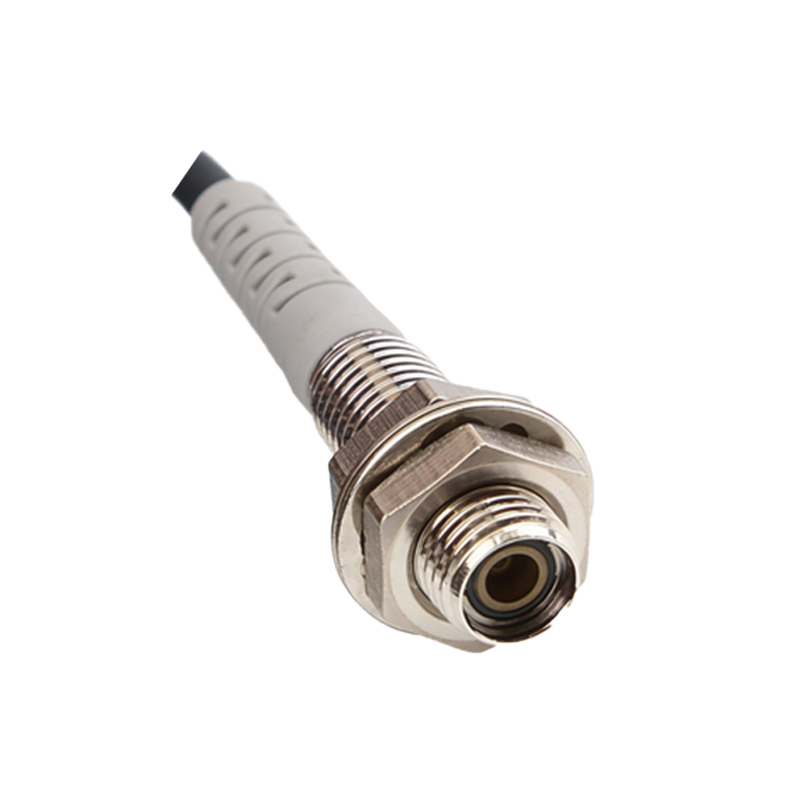
24V photoelectric sensors operate based on three main principles: through-beam, retro-reflective, and diffuse reflection. Through-beam sensors consist of a separate transmitter and receiver, offering the longest sensing range (up to 30 meters) and high immunity to contamination. Retro-reflective sensors combine emitter and receiver in one housing, using a reflector to bounce the beam back; they are cost-effective for medium ranges (up to 10 meters). Diffuse sensors detect objects by measuring reflected light from the target itself, suitable for short distances (under 2 meters) and irregular surfaces. All these types typically output a 24V DC signal (PNP or NPN) to interface with controllers, with some models featuring analog outputs for distance measurement.
Selection Criteria for Industrial Applications
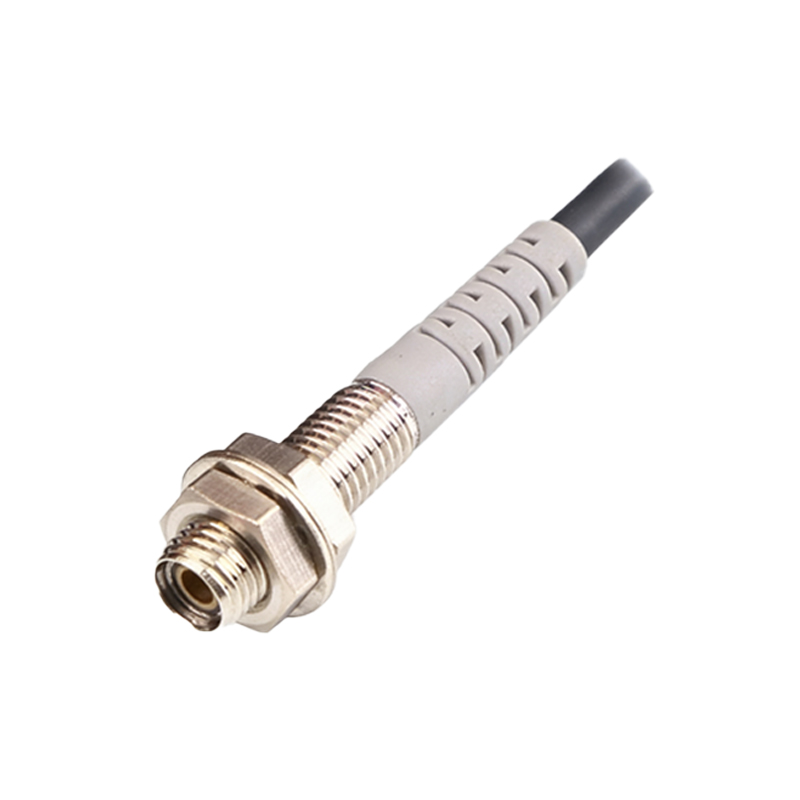
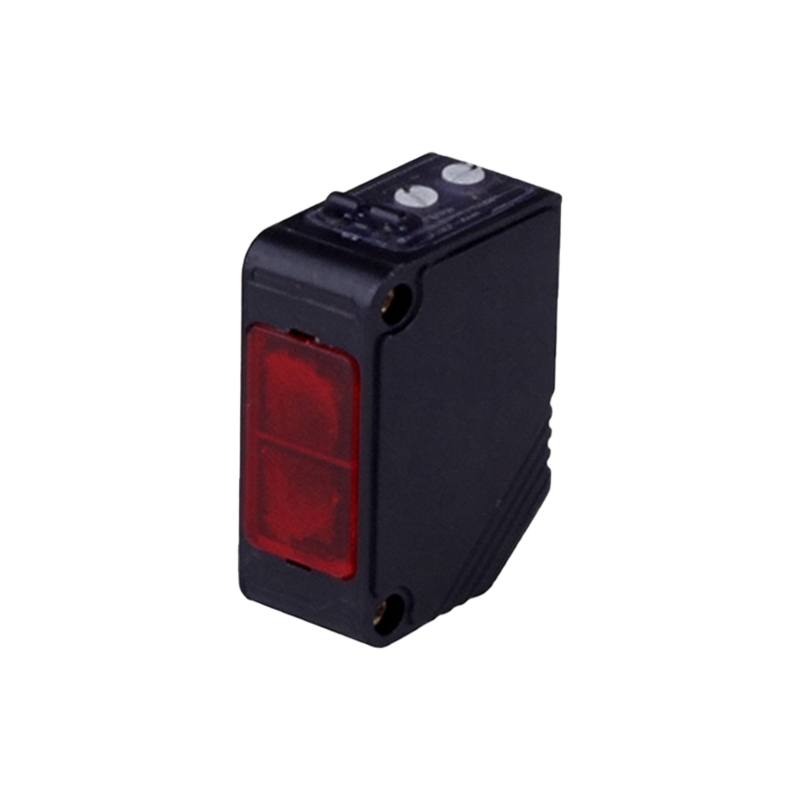
When selecting a 24V photoelectric sensor, engineers must consider several factors. First, the sensing environment: for dusty or wet conditions, through-beam sensors are preferred due to minimal beam loss. Second, the target material and color: diffuse sensors may struggle with transparent or dark objects, while retro-reflective models handle such challenges better with polarized light. Third, response time: high-speed applications, like conveyor belts, require sensors with response times under 1 ms. Additionally, the output configuration must match the PLC input module—PNP (sourcing) is common in North America, while NPN (sinking) is prevalent in Asia. Connector types (M8, M12) and cable lengths also affect installation flexibility.
Installation and Wiring Best Practices
Proper installation ensures optimal performance of 24V photoelectric sensors. Always verify that the power supply voltage is stable within 10-30V DC, as fluctuations can cause false triggers. Use shielded cables for long runs to minimize electromagnetic interference from motors or inverters. For through-beam sensors, align the transmitter and receiver precisely to avoid beam misalignment. In retro-reflective setups, ensure the reflector is clean and perpendicular to the sensor. Common wiring configurations include three-wire (brown for 24V+, blue for 0V, and black for output) and four-wire (with an additional white wire for teach-in or alarm functions). Always follow the manufacturer's datasheet for pinouts.
Troubleshooting Common Issues
Even with robust design, 24V photoelectric sensors may encounter problems. If the sensor fails to detect objects, check for power supply issues: measure voltage at the sensor terminals with a multimeter. Contaminated optics are another culprit—clean the lens or reflector with a soft cloth and isopropyl alcohol. For intermittent detection, inspect cables for damage or loose connections, especially in high-vibration areas. If the output remains active without a target, adjust the sensitivity potentiometer (if available) or check for background reflections. In diffuse models, a false trigger may occur due to shiny surfaces; switching to a retro-reflective type can resolve this. Document all settings and replacements for maintenance records.
Future Trends in 24V Photoelectric Sensing
The evolution of 24V photoelectric sensors is driven by Industry 4.0 and IIoT. Newer models integrate IO-Link communication, enabling real-time diagnostics, parameter adjustment, and data logging. This allows engineers to monitor sensor health remotely and optimize production efficiency. Additionally, laser-based sensors now offer millimeter-level accuracy for precision tasks like robotic guidance. Environmental sustainability is also a trend, with energy-efficient designs consuming less than 1W in standby mode. As automation systems become more complex, 24V photoelectric sensors will continue to adapt with enhanced immunity to ambient light and narrower beam angles for crowded machinery.