Introduction to Photoelectric Sensors in Sliding Track Systems
In modern electrical engineering, sliding track screens have become integral for dynamic presentations, smart homes, and industrial displays. Photoelectric sensors serve as the core components for precise positioning and motion control. These sensors utilize light beams to detect objects, ensuring accurate start/stop operations without physical contact. For engineers, understanding their selection and integration is critical for system reliability.
Working Principle of Photoelectric Sensors
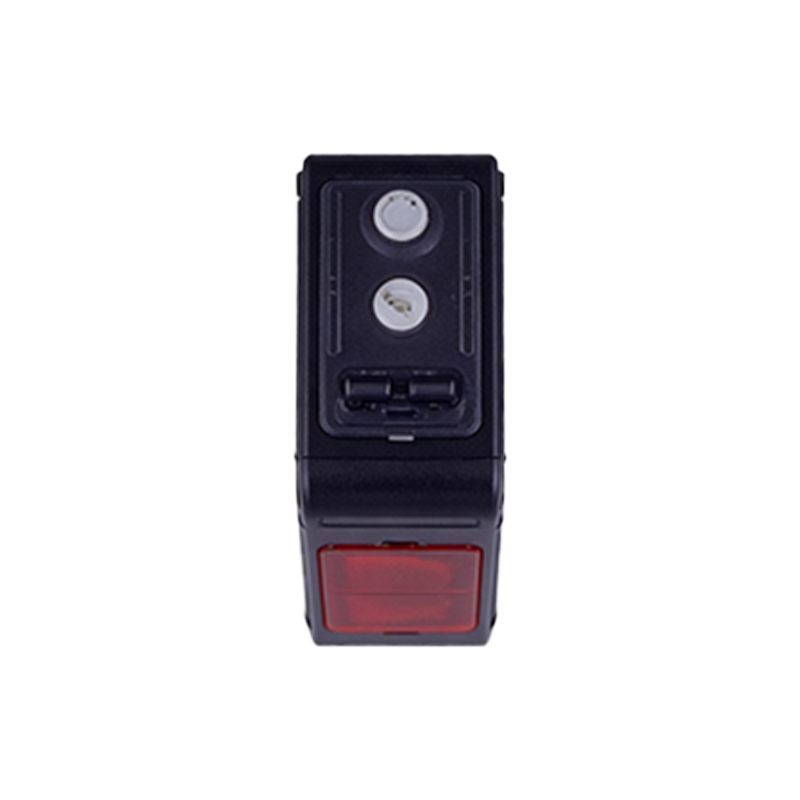
Photoelectric sensors operate by emitting a light beam (infrared or visible) and detecting changes in the reflected or interrupted light. In sliding track applications, a sensor is typically mounted at the track’s end or along the path. When the screen interrupts the beam, the sensor sends a signal to the controller, triggering a stop or reverse motion. This non-contact method reduces wear and tear, enhancing the lifespan of mechanical components.
Key Types for Sliding Track Applications
There are three primary types: through-beam, retro-reflective, and diffuse reflective sensors. Through-beam sensors offer the highest accuracy with separate emitter and receiver, ideal for long tracks. Retro-reflective sensors use a reflector for medium-range detection, while diffuse sensors rely on the target’s reflectivity. For sliding screens, through-beam sensors are often preferred due to their immunity to surface color and texture.
Image Analysis: Sensor Positioning and Alignment
Referencing a standard photoelectric sensor image, observe the alignment marks on the sensor housing. In sliding track setups, the emitter and receiver must be perfectly aligned along the track axis. Misalignment can cause false triggers or missed detections. The image typically shows a red LED indicator for calibration status, which helps engineers during installation. Proper mounting brackets and vibration damping are recommended to maintain alignment over time.
Environmental Considerations for Industrial Use
Sliding track screens in industrial environments face dust, humidity, and temperature variations. Photoelectric sensors with IP67 ratings are suitable for harsh conditions. Additionally, ambient light interference must be mitigated by using modulated light sensors or shielded housings. Engineers should review sensor datasheets for operating temperature ranges and immunity to electromagnetic interference (EMI).
Integration with Control Systems
Most photoelectric sensors output NPN or PNP signals compatible with PLCs or microcontrollers. For sliding track screens, the sensor’s response time (typically under 1 ms) directly affects motion smoothness. Wiring diagrams often include pull-up resistors for noise reduction. Advanced sensors feature IO-Link communication for real-time diagnostics, simplifying troubleshooting in complex systems.
Common Troubleshooting Tips
If the sliding screen fails to stop at the correct position, check for sensor lens contamination or misalignment. Use a clean cloth and a laser alignment tool to verify the beam path. Additionally, ensure the power supply meets the sensor’s voltage requirements (e.g., 10-30 VDC). For intermittent faults, inspect cable connections and shield grounding.
Future Trends in Sensor Technology
Emerging photoelectric sensors with integrated AI for pattern recognition are enhancing sliding track precision. These smart sensors can adapt to changing screen speeds or surface reflectivity. Engineers should stay updated with industry standards like IEC 60947-5-2 for safety compliance. Wireless sensor networks are also being explored for cable-free installations.