Understanding Environmental Challenges for Photoelectric Sensors
Photoelectric sensors are critical components in industrial automation, yet their performance can be severely impacted by environmental factors. In manufacturing floors, warehouses, and outdoor installations, sensors face challenges such as dust, moisture, extreme temperatures, and ambient light interference. As an electrical engineer, I have observed that failing to account for these conditions leads to false triggers, reduced detection range, and premature sensor failure. The key is to select sensors with appropriate IP ratings (e.g., IP67 for washdown environments) and to implement proper shielding against electromagnetic interference. For instance, in a dusty cement plant, using a photoelectric sensor with a built-in air purge system can maintain lens clarity, ensuring consistent operation.
Mitigating Dust, Dirt, and Particulate Contamination
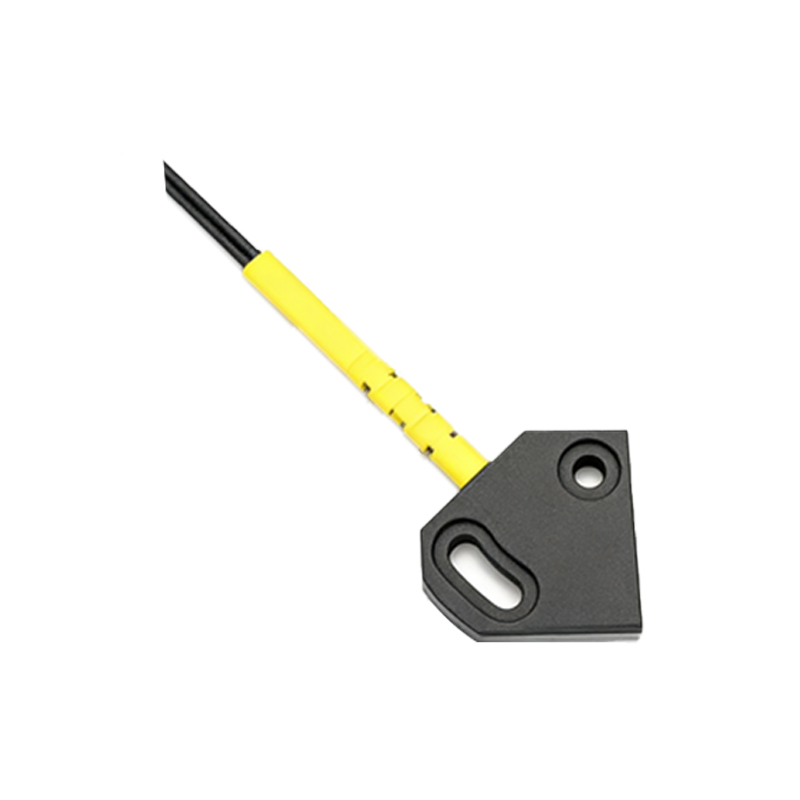
One of the most common issues in industrial settings is the accumulation of dust and dirt on the sensor lens. This reduces the light beam's intensity, leading to detection errors. To combat this, engineers should opt for sensors with a high excess gain margin, which compensates for signal loss due to contamination. Additionally, using retro-reflective or through-beam sensors rather than diffuse reflection types can improve reliability because the beam path is less obstructed by particles. In a scenario involving a woodworking factory, we installed sensors with a protective housing and a regular cleaning schedule, reducing downtime by 30%. For extreme environments, consider sensors with a self-cleaning lens system or those designed for Class I, Division 2 hazardous locations.
Managing Moisture, Humidity, and Temperature Extremes
Moisture and condensation can cause internal short circuits or optical fogging in photoelectric sensors. In food processing or outdoor applications, IP69K-rated sensors are essential for resisting high-pressure washdowns. Temperature fluctuations also impact sensor electronics; for example, in a foundry, sensors must operate at up to 100°C without drift. We have successfully implemented sensors with a wide operating temperature range (-40°C to 80°C) and built-in temperature compensation circuits. Additionally, using sealed connectors and potting compounds prevents water ingress. In a recent cold storage project, we avoided failures by selecting sensors with heated optics, which prevented ice formation on the lens.
Overcoming Ambient Light Interference
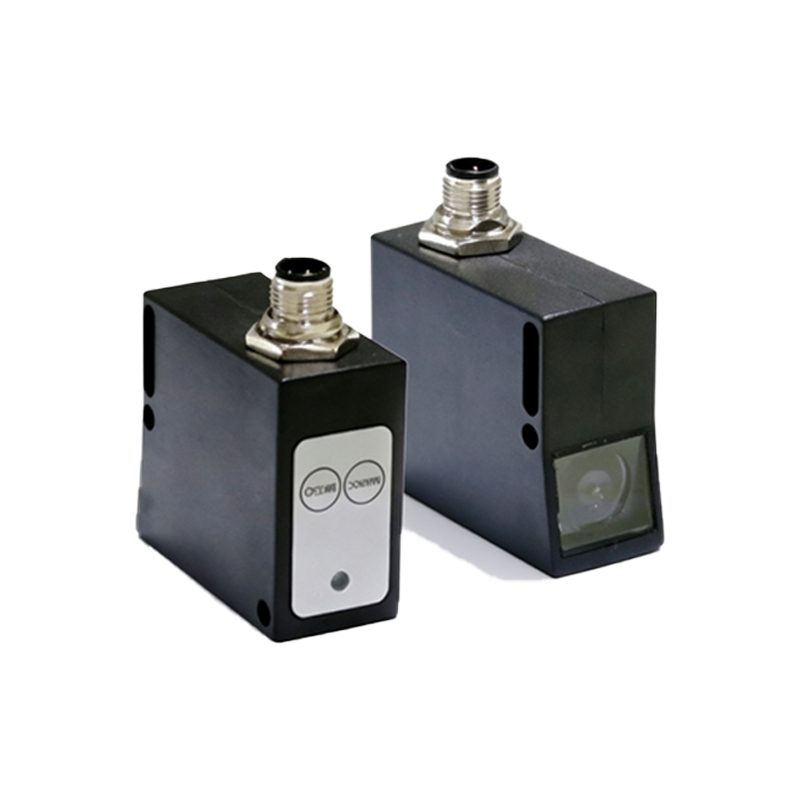
Ambient light from welding arcs, sunlight, or LED lighting can saturate the photoelectric sensor's receiver, causing false readings. To address this, engineers should choose sensors with modulated light sources (e.g., infrared or red LED) and narrow-band optical filters that reject ambient wavelengths. In a solar panel manufacturing line, we used sensors with a high-frequency modulation and a background suppression feature to ignore stray reflections. Another effective strategy is to align sensor outputs with a specific light color, such as green or blue, which is less common in industrial lighting. For outdoor use, sensors with a daylight filter or a light curtain with a built-in ambient light compensation function are recommended.
Selecting the Right Sensor Type for Specific Environments
Not all photoelectric sensors are created equal. For clean environments, diffuse sensors work well, but for harsh conditions, through-beam sensors offer the highest reliability since the emitter and receiver are separate, reducing the impact of lens contamination. In a chemical plant with corrosive vapors, we opted for sensors with a stainless steel housing and a Teflon-coated lens. For high-vibration areas like conveyor belts, sensors with a ruggedized mounting bracket and shock-absorbing materials are crucial. As a rule of thumb, always review the sensor datasheet for environmental specifications, including shock, vibration, and chemical resistance, and perform a site survey to identify potential hazards before deployment.
Best Practices for Installation and Maintenance
Proper installation is the first line of defense against environmental degradation. Mount sensors away from direct sunlight, heat sources, and high-moisture areas. Use cable glands with a strain relief to prevent water ingress. Implement a preventive maintenance schedule that includes lens cleaning with isopropyl alcohol, checking for alignment drift, and testing output signals. In a recent project at a steel mill, we reduced sensor failures by 50% by installing protective windows over the lenses and using a compressed air blow-off system every shift. Additionally, consider using sensor diagnostic features, such as alarm outputs for low excess gain, to predict maintenance needs.