Introduction to Photoelectric Sensor Optics
Photoelectric sensors rely on precise optical design to detect objects, changes in light intensity, or distance in industrial environments. The core components include an emitter (usually an LED or laser diode) and a receiver (photodiode or phototransistor), with optics shaping the light beam for reliability. Effective optical design maximizes signal-to-noise ratio, minimizes ambient light interference, and ensures consistent performance across varying target surfaces.
Key Optical Parameters and Their Impact
The primary parameters include beam divergence, wavelength, and receiver sensitivity. Beam divergence determines the sensor’s detection range and spot size; narrow divergence suits long-range detection, while wider beams cover larger areas. Wavelength selection (e.g., infrared, red, or blue) affects penetration through dust or fog and compatibility with target reflectivity. Receiver optics, such as lenses or apertures, filter out stray light and focus received signals, directly influencing response time and accuracy.
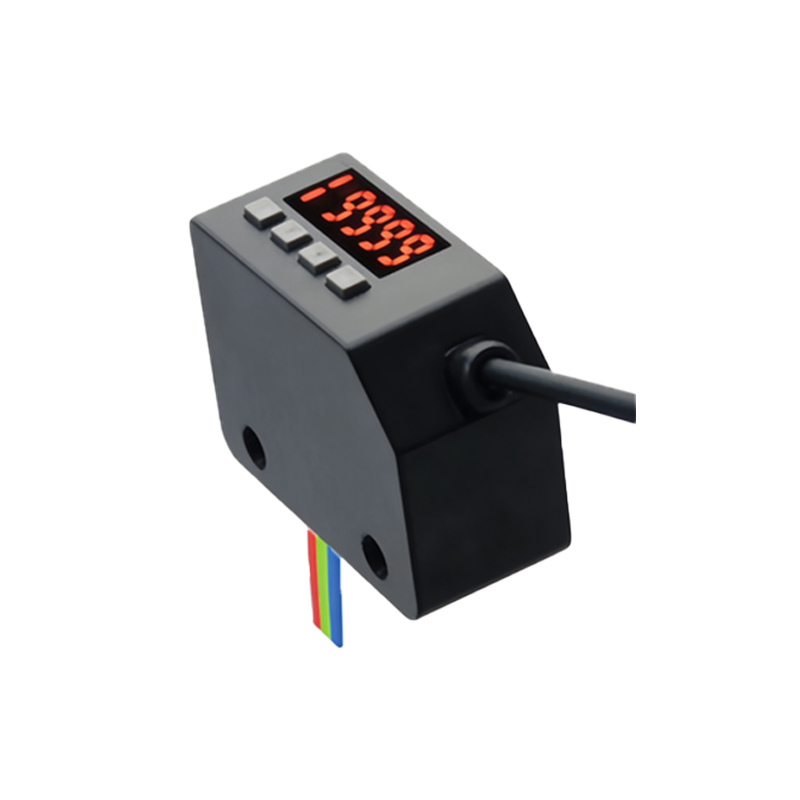
Emitter Optics: Collimation and Focusing
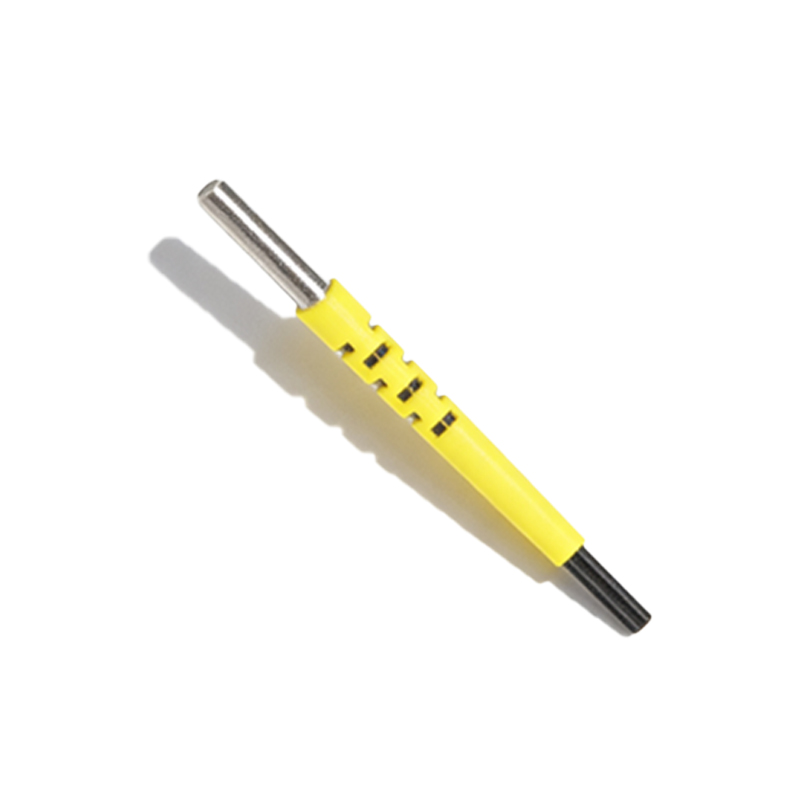
Emitter optics collimate or focus the emitted light to achieve desired beam patterns. Collimating lenses produce parallel beams for through-beam sensors, reducing signal loss over distance. Focusing lenses concentrate light into a small spot for retro-reflective or diffuse sensors, enhancing detection of small or low-reflectivity objects. Anti-reflection coatings on emitter lenses reduce back-reflections, preventing false triggers in high-vibration settings.
Receiver Optics: Filtering and Amplification
Receiver optics integrate bandpass filters and concentrators to isolate the emitter’s wavelength from ambient light. A narrowband optical filter (e.g., centered at 650 nm for red LEDs) rejects sunlight or artificial light, improving immunity. Concentrating optics, such as Fresnel lenses or parabolic reflectors, gather diffuse reflections and amplify signal strength, particularly in diffuse-mode sensors. This design ensures reliable detection even on matte or irregular surfaces.
Lens Design for Varied Sensing Modes
Each sensing mode demands unique lens configurations. For through-beam mode, paired collimating lenses maintain beam alignment over meters. Retro-reflective mode uses a polarizing filter and a corner-cube reflector to reject specular reflections from shiny objects. Diffuse mode employs a wide-angle emitter lens and a large-aperture receiver lens to capture scattered light, with a focal length optimized for sensing distance. Finite element analysis (FEA) helps simulate lens performance under thermal stress.
Environmental Considerations in Optical Design
Industrial environments introduce challenges like dust, moisture, and vibration. Hermetically sealed optical housings with IP67 or IP69K ratings protect lenses from contaminants. Anti-fog coatings and heated windows prevent condensation in cold storage or washdown areas. For outdoor use, UV-resistant materials and solar load compensation algorithms adjust emitter power to maintain consistent detection in changing sunlight.
Testing and Validation of Optical Systems
Optical design validation involves measuring beam profile, detection range, and ambient light rejection. Lab tests use goniometers to map beam spread and spectrophotometers to verify filter transmission curves. Field tests simulate real-world conditions, such as vibration at 10-55 Hz and humidity up to 95% RH. Statistical process control (SPC) ensures manufacturing tolerances stay within ±0.1 mm for lens alignment, guaranteeing sensor repeatability.
Future Trends in Photoelectric Sensor Optics
Emerging trends include adaptive optics that adjust beam width based on target distance, using micro-electromechanical systems (MEMS) mirrors. Multi-wavelength sensors with time-of-flight (ToF) capabilities enable 3D object detection. Integrated photonic chips reduce optical path length, allowing miniaturization for collaborative robots. These advancements push sensor performance toward higher resolution and lower power consumption.