Understanding Response Time in Photoelectric Sensors
In industrial automation, the speed of detection is critical for high-speed processes such as packaging, sorting, and conveyor systems. Photoelectric sensors with the fastest response times are essential for minimizing delays and ensuring precise operation. Response time refers to the duration from when a target enters the sensor's detection zone to when the output signal switches. For ultra-fast applications, sensors with response times in the microsecond (µs) range are preferred. Key factors influencing response time include sensor type, light source modulation, and circuit design.
Fiber Optic Photoelectric Sensors with Nanosecond Response
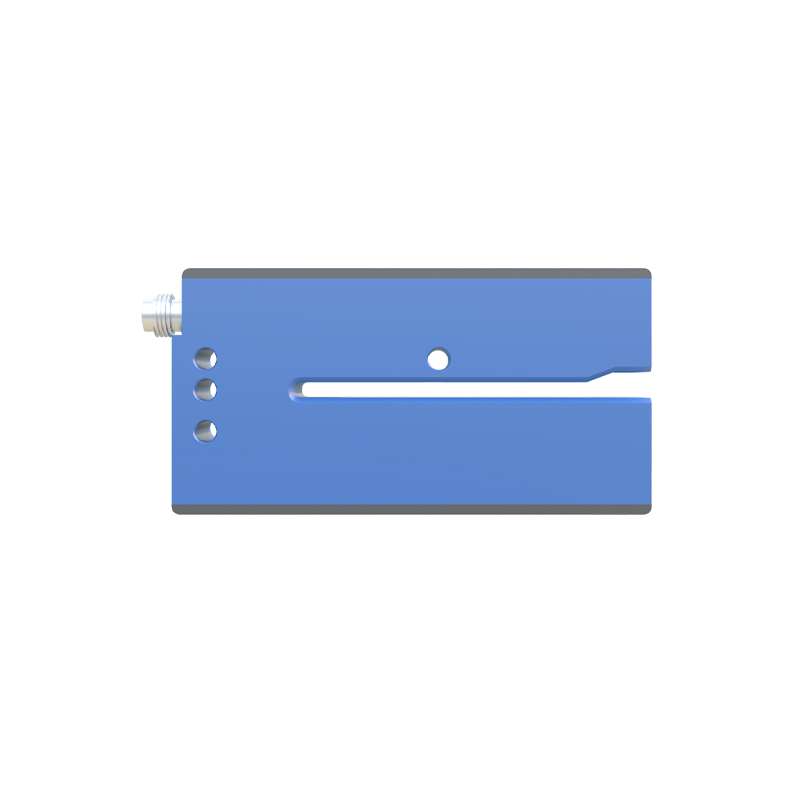
Fiber optic photoelectric sensors are among the fastest available, offering response times as low as 1 to 10 microseconds. These sensors use a separate amplifier and fiber optic cable to transmit light, allowing for extremely rapid signal processing. Models like the Keyence FS-V30 series or Omron E3X-DA-N series achieve response times of 50 µs or less. Their small sensing head and high-speed amplifier make them ideal for detecting tiny objects at high speeds, such as in electronics assembly or pharmaceutical packaging.
Laser-Based Photoelectric Sensors for High-Speed Detection
Laser photoelectric sensors provide exceptional speed due to their focused beam and high-frequency modulation. Sensors like the Banner Q4X series or SICK DL100 Hi use laser diodes to achieve response times below 100 µs. The collimated light ensures accurate detection of small or reflective targets at distances up to several meters. These sensors are commonly used in robotic pick-and-place systems and high-speed label inspection lines.
Retroreflective Sensors with Fast Switching
Retroreflective photoelectric sensors are known for their fast response, particularly in models with polarized light. The SICK PL20 series or Telemecanique XUX series offer response times as low as 200 µs. These sensors are widely used in conveyor belt applications where clear packaging or shiny objects must be detected at speeds exceeding 1000 units per minute. Their robust design and fast switching ensure reliability in demanding environments.
Through-Beam Sensors for Maximum Speed
Through-beam photoelectric sensors consist of separate emitter and receiver units, providing the fastest response times among all sensor types. They can achieve response times of 50 µs or less, such as the Omron E3Z-T series or Balluff BOS 18M series. The direct line-of-sight detection eliminates false triggers caused by background interference, making them ideal for high-speed counting and positioning in automotive assembly lines.
Factors to Consider for Optimal Performance
When selecting the fastest photoelectric sensor, consider light source, environmental conditions, and output type. Red LED sensors typically offer faster response than infrared while laser sensors provide the best speed for long distances. Avoid sensors with slow rise/fall times if your system requires nanosecond accuracy. Additionally, use high-speed controllers and shielded cables to minimize signal delays. Testing under actual operating conditions is recommended to verify performance.
Top Brands and Models for Industrial Use
Leading manufacturers include Keyence (FS-V30 series, 50 µs response), SICK (DL100 Hi, 100 µs), Banner (Q4X series, 80 µs), and Omron (E3X-DA-N, 40 µs). These sensors are designed for harsh environments with IP67 ratings and temperature ranges from -20°C to 55°C. For ultra-high-speed applications, consider fiber optic models with separate amplifiers that can achieve sub-microsecond response times. Always review technical datasheets for exact specifications.