Introduction to Photoelectric Sensor Pricing
As an electrical engineer working in industrial automation, one of the most common questions I encounter is about the cost of comprehensive photoelectric sensors. These devices, which use light to detect objects, vary widely in price depending on factors like technology, range, and features. In this guide, I will break down the typical cost range, key influencing factors, and practical considerations for procurement. Expect prices from under $50 for basic models to over $500 for advanced units with high-end specifications.
Factors Influencing Photoelectric Sensor Costs
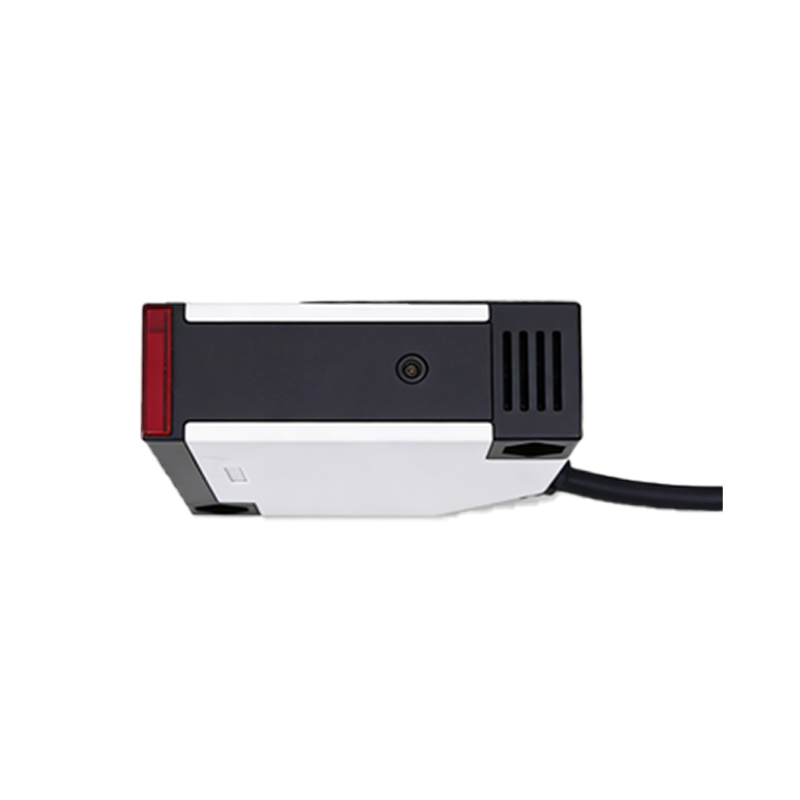
The price of a photoelectric sensor is not arbitrary; it is driven by several technical parameters. First, sensor type matters: through-beam sensors often cost more than retro-reflective or diffuse models due to their longer range and higher precision. Second, sensing distance plays a critical role; sensors with ranges exceeding 20 meters can cost 30-50% more than those with shorter ranges. Third, output options like analog, digital, or IO-Link communication add to the cost. Environmental ratings, such as IP67 or IP69K for harsh conditions, also increase the price. Finally, brand reputation and certifications, like CE or UL, influence pricing.
Typical Price Ranges for Common Models
For general-purpose applications, basic photoelectric sensors (diffuse type, range up to 1 meter) cost between $40 and $80. Mid-range models (retro-reflective, range 2-10 meters, with adjustable sensitivity) fall in the $80 to $200 range. High-end sensors (through-beam, range over 20 meters, with IO-Link and rugged housing) can range from $250 to $500 or more. Custom or specialized sensors, such as those for cleanroom environments or high-temperature applications, may exceed $600. Remember, these are list prices; volume discounts from distributors can reduce costs by 10-20%.
Cost vs. Performance Trade-Offs
When selecting a sensor, engineers must balance cost with performance requirements. For simple presence detection in a controlled environment, a $50 diffuse sensor suffices. However, for precision measurement or long-distance detection in dusty conditions, investing in a $300 through-beam sensor with background suppression is more reliable. Consider total cost of ownership: cheaper sensors may need more frequent replacement, increasing downtime and maintenance. Always verify specifications against your application's demands to avoid overspending or underspecifying.
Where to Buy and Additional Costs
Photoelectric sensors are available from major suppliers like AutomationDirect, McMaster-Carr, or directly from manufacturers like Banner Engineering and SICK. Online platforms like Amazon or Digi-Key offer competitive pricing but may lack technical support. Additional costs include shipping, custom cables (often $10-$30), and mounting brackets ($5-$20). For bulk orders, negotiate with vendors for better rates. Also, factor in calibration and installation time, which can add 10-15% to the project budget.
Final Thoughts for Engineers
In summary, the price of a comprehensive photoelectric sensor ranges from $40 to over $600, driven by technology, range, and features. As an engineer, prioritize application-specific needs over lowest price. Use datasheets to compare key metrics like response time, ambient light immunity, and connector types. Always request quotes from multiple suppliers to ensure competitive pricing. For complex systems, consider integrated sensors with IO-Link for easier diagnostics and reduced wiring costs. This approach ensures reliable performance without unnecessary expense.