2026-06-04
Tech Hub
By 创始人
Top 5 Applications of Photoelectric Switches in Industrial Automation
Understanding Photoelectric Switches
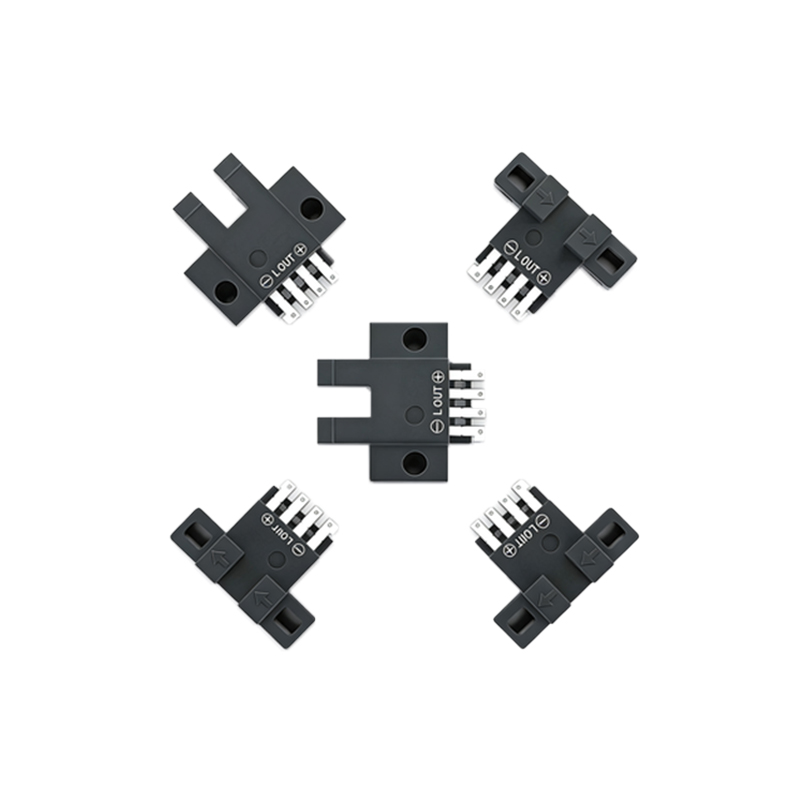
Photoelectric switches are crucial components in modern industrial automation. They use light to detect the presence, absence, or distance of objects. Unlike mechanical switches, they offer non-contact sensing, reducing wear and tear. These devices consist of an emitter that projects a light beam and a receiver that detects changes in the beam. Common types include through-beam, retro-reflective, and diffuse sensors. For engineers, selecting the right type depends on the target material, distance, and environmental conditions. For instance, through-beam sensors provide long-range detection, ideal for conveyor belts in dusty environments.
Key Applications in Manufacturing Lines
In assembly lines, photoelectric switches ensure precise object positioning. They trigger robotic arms to pick and place components, minimizing errors. For example, in automotive manufacturing, these sensors detect metal parts on moving tracks, synchronizing welding operations. Their fast response time, typically under 1 millisecond, enhances throughput. Additionally, they are immune to heavy vibration, common in stamping presses. Engineers must calibrate sensitivity to avoid false triggers from reflective surfaces like polished metals.
Material Handling and Logistics
Warehousing relies heavily on photoelectric switches for automated guided vehicles (AGVs) and sorting systems. They detect package dimensions and positions, directing them to correct chutes. Retro-reflective sensors are popular here because they can detect transparent films or shiny cartons at distances up to 10 meters. In high-bay storage, through-beam pairs monitor rack occupancy, preventing collisions. One challenge is ambient light interference; engineers often use modulated infrared beams to filter out sunlight or artificial lighting.
Quality Control and Inspection
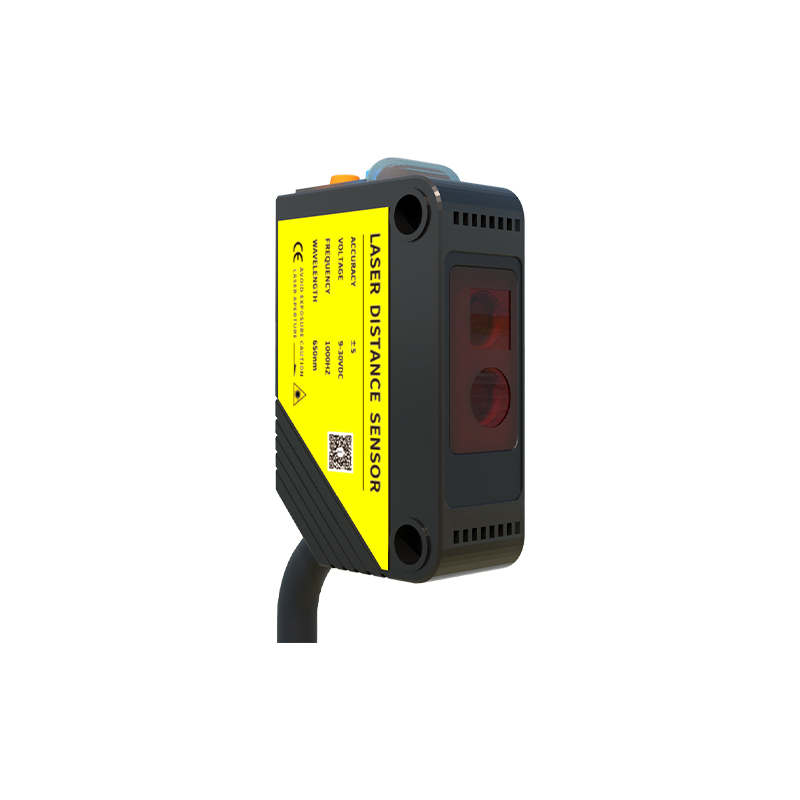
Photoelectric switches excel in real-time quality checks. They detect missing labels, broken seals, or incorrect fill levels on packaging lines. A common setup is a diffuse sensor with a background suppression feature, which ignores objects beyond a set threshold. This ensures accurate inspection even when products vary in color or reflectivity. For example, in pharmaceutical bottling, sensors verify cap presence before sealing. Maintenance tip: regular lens cleaning and alignment check prevent drift due to dust accumulation.
Safety and Personnel Detection
Safety-rated photoelectric switches are vital for guarding hazardous machinery. They create light curtains or safety grids that stop equipment when an object (like a hand) enters the zone. These systems meet ISO 13849 standards, featuring redundant circuits for failsafe operation. In robotic cells, they replace physical barriers, allowing safe access for maintenance. Engineers must consider response time and resolution. For instance, a 14-mm resolution light curtain can detect fingers, while a 30-mm version suits larger limb detection.
Selecting the Right Sensor for Harsh Environments
Industrial settings often involve extreme temperatures, moisture, or corrosive chemicals. For such cases, photoelectric switches with IP67 or IP69K ratings are recommended. They have sealed housings and glass optics. Fiber optic models are ideal for high-heat zones like furnace conveyor lines. Another factor is cable length; using pre-terminated M12 connectors reduces signal loss. Real-world example: in a food processing plant, stainless steel sensors withstand washdown cycles while detecting translucent bottles.