2026-06-04
Tech Hub
By 创始人
Common Sources of Error in Reflective Photoelectric Sensors and Mitigation Strategies
Background and Working Principle
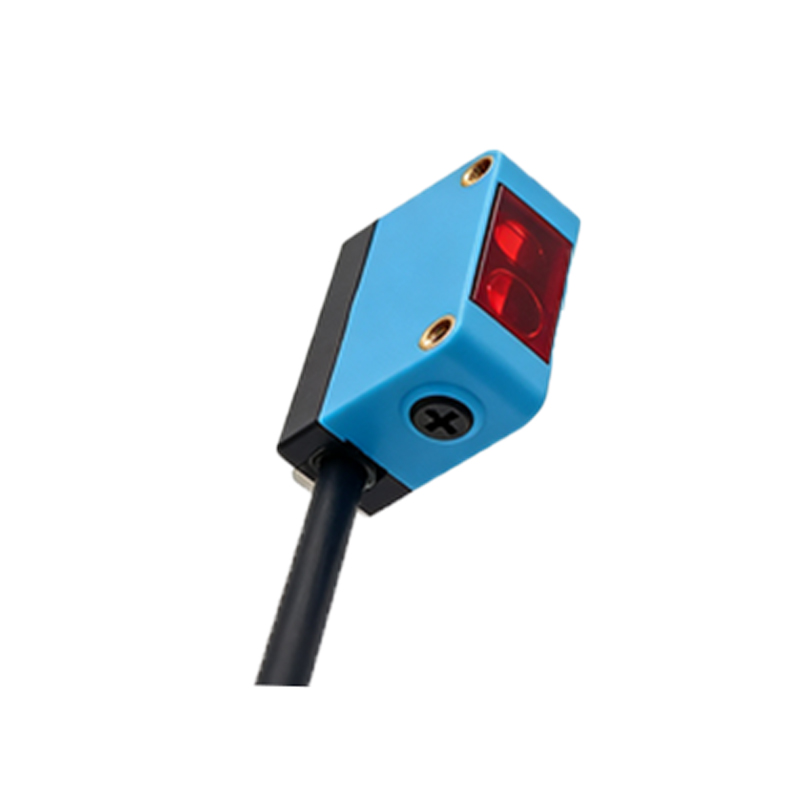
Reflective photoelectric sensors operate by emitting a beam of light, typically infrared or visible, and detecting the reflected signal from a target object. These sensors are widely used in industrial automation for object detection, counting, and positioning. However, several factors can introduce measurement errors, affecting reliability and accuracy. Understanding these errors is essential for optimizing sensor performance in harsh or dynamic environments.
Optical Interference from Ambient Light
Ambient light, including sunlight or artificial illumination, can overwhelm the sensor's receiver, causing false readings or desensitization. This is particularly problematic in outdoor applications or near bright LED sources. To mitigate this, use sensors with modulated light sources that filter out steady-state ambient light. Additionally, installing physical shields or selecting sensors with a narrow spectral response can reduce interference.
Surface Reflectivity Variations
The reflective characteristics of the target object significantly influence sensor accuracy. High-gloss surfaces may cause specular reflections that blind the sensor, while matte or dark surfaces absorb light, reducing the effective detection range. For consistent operation, calibrate the sensor to the specific target material. Use sensors with adjustable gain or background suppression features to handle varying reflectivity.
Alignment and Angle Errors
Misalignment between the sensor and the target can lead to signal attenuation or complete loss of detection. Even a slight angular deviation can shift the reflected beam away from the receiver. Proper mounting with rigid brackets and adjustable aiming mechanisms is critical. Regular maintenance checks should verify alignment, especially in high-vibration environments.
Dust, Contamination, and Lens Fogging
Industrial environments often expose sensors to dust, oil, moisture, or chemical residues that accumulate on the lens or reflector, scattering or absorbing the light beam. This reduces sensitivity and increases the risk of false negatives. Implement scheduled cleaning protocols using appropriate solvents and lint-free cloths. For harsh conditions, choose sensors with sealed housings and self-cleaning lens coatings.
Temperature and Humidity Drift
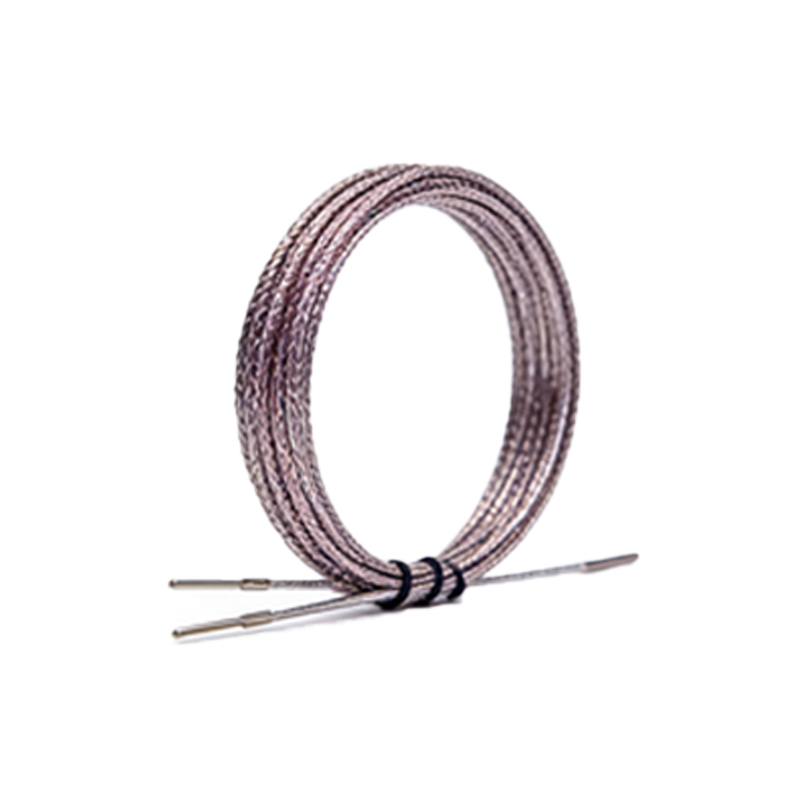
Extreme temperatures or high humidity can alter the output power of the LED emitter and the sensitivity of the photodetector. Thermal expansion of mounting materials may also shift the optical path. Select sensors rated for the specific operating temperature range. Use temperature-compensated designs and allow for warm-up time to stabilize performance.
Multiple Target Reflections and Crosstalk
In applications with multiple sensors or reflective surfaces nearby, stray reflections from adjacent objects can cause crosstalk, leading to false detections. This is common in conveyor systems or multi-sensor arrays. To reduce this, use sensors with different modulation frequencies or install optical barriers between units. Applying polarized light can also help distinguish the intended target from background reflections.
Electrical Noise and Grounding Issues
Electromagnetic interference from motors, drives, or switching power supplies can corrupt the sensor's output signal, resulting in erratic behavior. Proper cable shielding and twisted-pair wiring are effective countermeasures. Ensure a dedicated ground path and filter power supplies to minimize ripple. Using sensors with built-in noise immunity, such as those with digital filtering, further enhances reliability.
Recommended Calibration and Testing Practices
Regular calibration using a reference target in a controlled environment helps identify drift early. Conduct functional tests with worst-case conditions, such as low light or high temperature. Document sensor performance over time to establish baseline data. Implementing a preventive maintenance schedule, including alignment checks and cleaning, will extend sensor life and reduce downtime.