Introduction to the GK152 Photoelectric Sensor
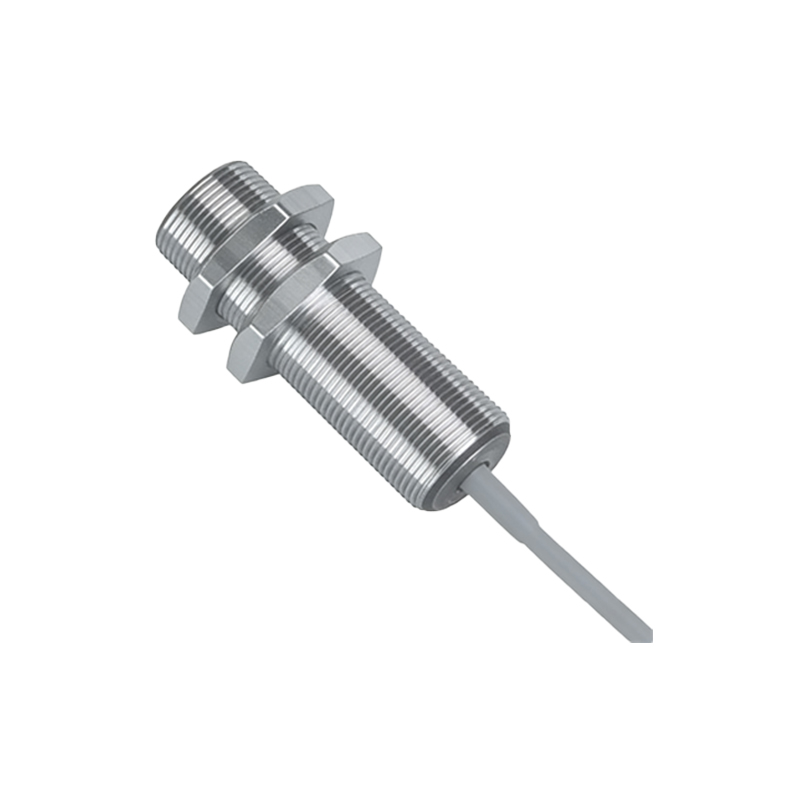
The GK152 photoelectric sensor is a robust and reliable device designed for precise object detection in industrial environments. Engineered with advanced optical technology, it operates by emitting a light beam and detecting changes in its reflection or interruption. This sensor is particularly suited for automation lines, packaging systems, and material handling due to its high sensitivity and durability against dust, vibration, and ambient light interference. Its compact form factor and versatile mounting options make it a preferred choice for engineers seeking to enhance system efficiency.
Key Technical Specifications
The GK152 features a detection range of up to 15 meters for through-beam models and 5 meters for reflective types, with response times as fast as 1 millisecond. It supports both NPN and PNP output configurations, ensuring compatibility with most PLCs and controllers. Operating on a 10-30V DC power supply, it consumes minimal energy while maintaining stable performance across temperatures from -25°C to +55°C. The sensor also incorporates an IP67-rated housing, providing protection against water jets and dust ingress.
Working Principles and Modes
This sensor utilizes three primary detection modes: through-beam, retro-reflective, and diffuse. In through-beam mode, the transmitter and receiver are separate, ideal for long-range detection. Retro-reflective mode uses a reflector to bounce the beam back, simplifying wiring in tight spaces. Diffuse mode detects objects directly by sensing reflected light from the target surface, perfect for irregular or transparent materials. Each mode can be selected based on the application requirements, such as conveyor belt monitoring or robotic arm positioning.
Installation and Calibration Guidelines
Proper installation is crucial for optimal performance. Mount the sensor on a stable surface, ensuring the optical axis aligns with the target path. For through-beam models, maintain a clear line-of-sight between emitter and receiver. Use the built-in LED indicators to verify alignment; a steady green light confirms correct operation. Calibration involves adjusting the sensitivity potentiometer to match the object’s reflectivity and distance. Avoid direct exposure to intense sunlight or reflective surfaces that could cause false triggers.
Common Applications in Industry
The GK152 excels in diverse scenarios, such as counting products on high-speed assembly lines, detecting pallet presence in warehouses, and controlling gate operations in automated guided vehicles. Its ability to sense transparent or glossy objects (e.g., glass bottles or plastic films) sets it apart from standard sensors. In dirty environments, the autocollect function minimizes maintenance by compensating for lens contamination. These features reduce downtime and improve throughput in manufacturing facilities.
Troubleshooting and Maintenance Tips
Common issues include false triggering due to reflective backgrounds or misalignment. Verify that the detection distance matches the specification and clean the lens with a soft cloth if dust accumulates. If output signals are intermittent, check the power supply voltage and cable connections. For persistent problems, use a test target to evaluate the sensor’s response. Regular inspection every 3-6 months ensures longevity, especially in high-vibration or corrosive settings.
Conclusion and Best Practices
Integrating the GK152 sensor into your system requires careful planning of mounting position, mode selection, and wiring. Always refer to the datasheet for exact electrical ratings and follow safety protocols during installation. This sensor’s reliability and flexibility make it a cost-effective choice for modern automation. By leveraging its advanced features, engineers can achieve higher accuracy and operational consistency in demanding industrial tasks.