Introduction to Photoelectric Sensors in Industrial Automation
Photoelectric sensors, also known as photo eyes, are cornerstone components in modern industrial automation. These non-contact devices use light beams to detect the presence, absence, or distance of objects, converting light energy into electrical signals. Their robustness, high speed, and precision make them indispensable across a wide spectrum of industries, from packaging and logistics to automotive manufacturing and food processing. This article explores their key application domains, emphasizing how they solve real-world engineering challenges.
Manufacturing and Assembly Line Inspection
In manufacturing, photoelectric sensors are critical for quality control. They are deployed for part presence verification, counting components on conveyor belts, and detecting alignment issues. For example, through-beam sensors ensure that a product has passed a critical stage, while retro-reflective models monitor transparent or shiny materials that could confuse other sensors. Their ability to operate reliably in dusty or oily environments makes them a preferred choice for automotive assembly, where they confirm the correct placement of bolts, panels, or wiring harnesses.
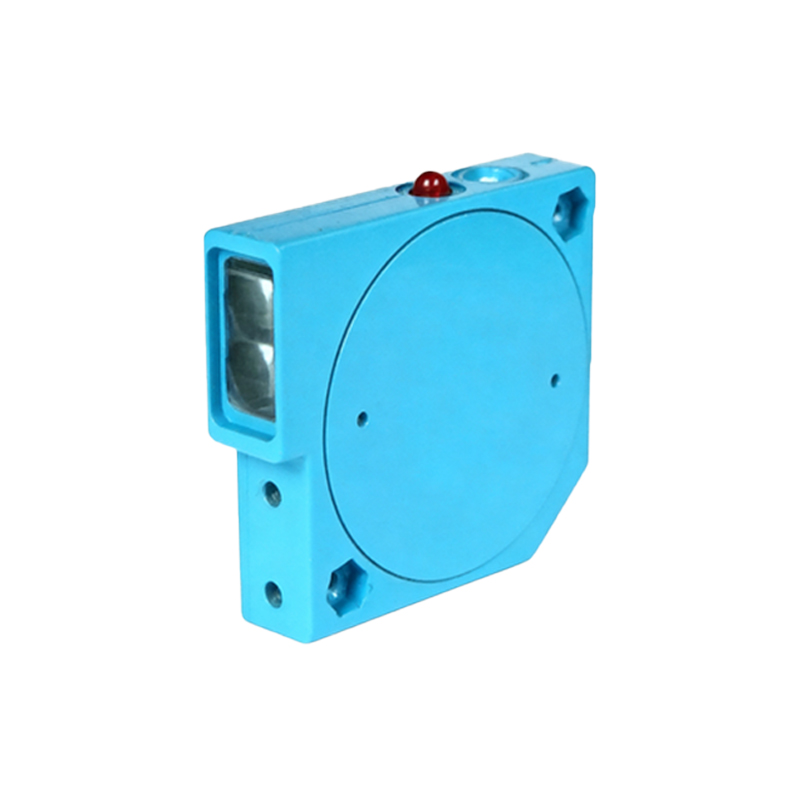
Packaging and Material Handling
The packaging industry heavily relies on photoelectric sensors for precise label positioning, bottle cap detection, and package counting. Diffuse sensors excel in detecting irregularly shaped items or those with varying colors, such as cardboard boxes or plastic containers. In automated warehouses, fork-based sensors and laser sensors guide robotic arms for picking and placing goods. Their fast response time (often microseconds) ensures high throughput, while fiber optic variants can operate in tight spaces, such as inside sorting machines or conveyor chutes.
Logistics and Conveyor Systems
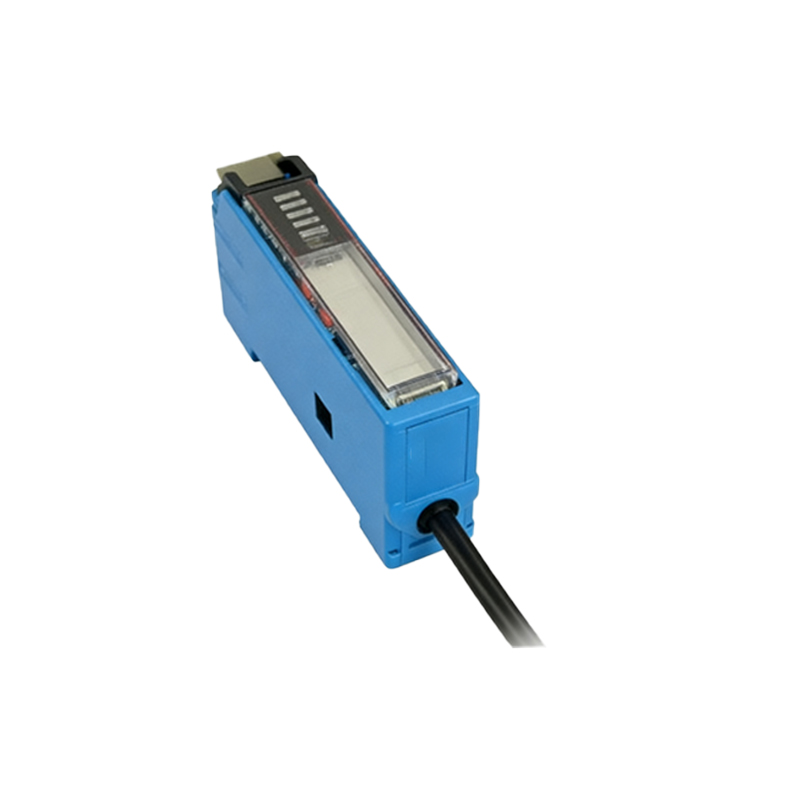
In logistics, photoelectric sensors are the eyes of automated guided vehicles (AGVs) and conveyor systems. They detect the presence of pallets, trigger diverters, and monitor flow rates at junctions. Background suppression sensors are particularly useful here, as they ignore background clutter like walls or other machinery, focusing only on the target. This prevents false triggers and ensures smooth material flow in busy distribution centers. Additionally, they are used for safety applications, such as creating light curtains to stop machinery when a worker approaches a dangerous zone.
Food and Beverage Industry
The food and beverage sector demands sensors that can withstand washdown processes and harsh chemicals. Photoelectric sensors with IP69K ratings are designed for this, resisting high-pressure water jets and acidic or alkaline cleaning agents. They monitor bottle fill levels, cap placement, and label alignment on packaging lines. Specialized models, such as those with a visible red light, are used to detect transparent glass or plastic containers, ensuring that even clear objects are accurately counted and sorted.
Automotive and Heavy Machinery
In automotive plants, photoelectric sensors are integral to robotic welding cells, paint booths, and engine assembly. They verify the position of car bodies on assembly lines, detect the presence of doors or hoods, and monitor the level of fluids in tanks. Their immunity to electromagnetic interference (EMI) is crucial in these environments, where arc welding and heavy motors generate significant electrical noise. Laser-based photoelectric sensors provide long-range detection (up to 60 meters) for overhead crane positioning or large-scale part tracking.
Emerging Applications: Smart Buildings and IoT
Beyond traditional factory floors, photoelectric sensors are finding roles in smart buildings and the Internet of Things (IoT). They are used in automatic door openers, occupancy detection for energy-efficient lighting, and security systems for perimeter monitoring. With the rise of Industry 4.0, these sensors now integrate with cloud platforms, transmitting real-time data on object counts or environmental changes. This data enables predictive maintenance and process optimization, reducing downtime and operational costs.
Conclusion: The Future of Photoelectric Sensor Technology
As industries continue to automate, the demand for photoelectric sensors will only grow. Emerging technologies, such as time-of-flight (ToF) sensors and multi-beam arrays, are pushing boundaries in precision and speed. Engineers must stay updated on these developments to select the right sensor type for each unique application. Whether in a cleanroom or a dusty foundry, photoelectric sensors remain the unsung heroes of industrial automation, silently ensuring efficiency, safety, and quality.