Introduction to Retro-Reflective Photoelectric Sensors
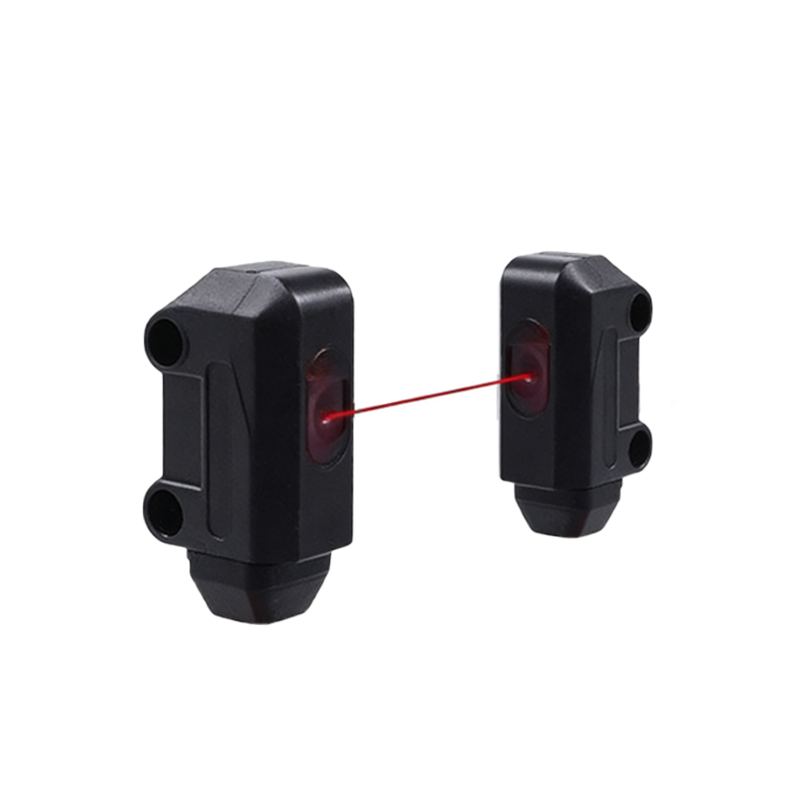
Retro-reflective photoelectric sensors are essential components in modern industrial automation, offering reliable detection without the need for separate receiver units. Unlike through-beam sensors, they combine the emitter and receiver in the same housing, using a reflector to bounce the light beam back. This design simplifies installation and reduces wiring complexity, making them ideal for applications like packaging, conveyor systems, and material handling. The sensor operates by emitting a modulated light beam—typically infrared or visible red—toward a retro-reflector. When the beam is interrupted by an object, the sensor triggers an output signal. Key advantages include long sensing ranges (up to 10 meters or more) and tolerance to minor misalignment. However, shiny or highly reflective objects can cause false readings, so careful selection of reflector type and sensing mode is critical.
Operating Principles and Key Components
The core working principle involves a polarized light system to minimize false triggers. The sensor emits a polarized light beam, which passes through a polarizing filter. The retro-reflector consists of corner-cube prisms that rotate the polarization of the reflected light by 90 degrees. The sensor’s receiver has a second polarizing filter that only allows light with the rotated polarization to pass through. If a shiny object reflects the light without rotating the polarization, the receiver ignores it. This polarization technique enhances reliability in environments with glossy surfaces. Essential components include the LED emitter, photodiode receiver, lens system, and electronic control circuitry. The sensing distance depends on the reflector size and ambient conditions. For dusty or humid environments, models with built-in lens cleaning features or compensation algorithms are recommended.
Applications in Industrial Environments
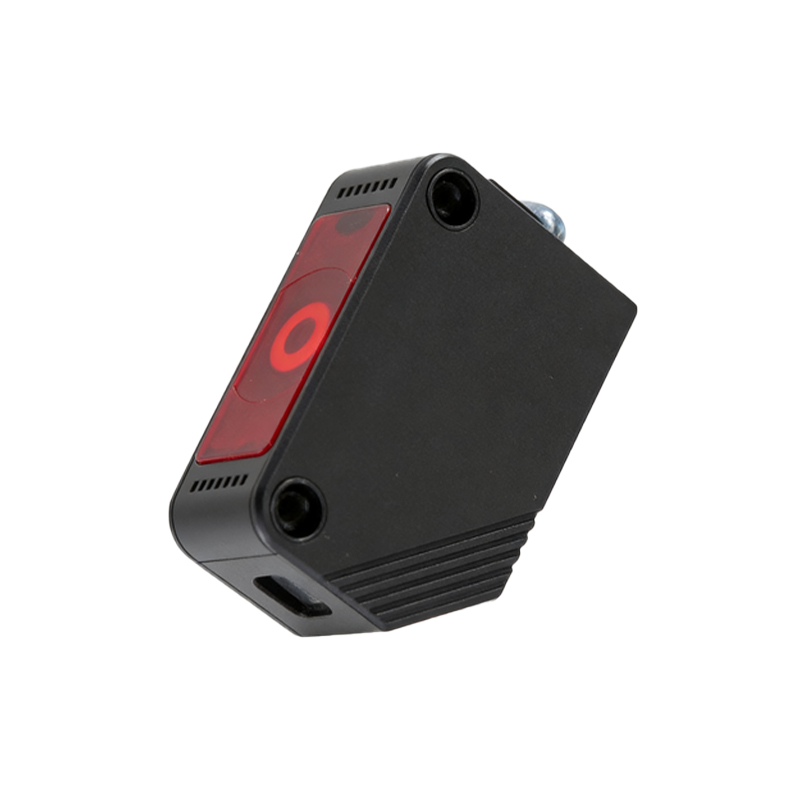
Retro-reflective sensors excel in scenarios where space is limited or where separate wiring for emitter and receiver is impractical. Common applications include detecting transparent or translucent objects like glass bottles or plastic films, where through-beam sensors may struggle. They are also used in warehouse automation for pallet detection, automated guided vehicles (AGVs), and elevator door safety systems. In the packaging industry, these sensors monitor product flow on conveyor belts, ensuring empty spots are filled. For harsh conditions, such as dusty sawmills or wet food processing plants, sensors with IP67 or higher ratings are available. Additionally, models with background suppression or teach-in functions adapt to varying object reflectivity, improving versatility. The ability to function with a single cable connection simplifies integration into existing control systems.
Installation and Calibration Best Practices
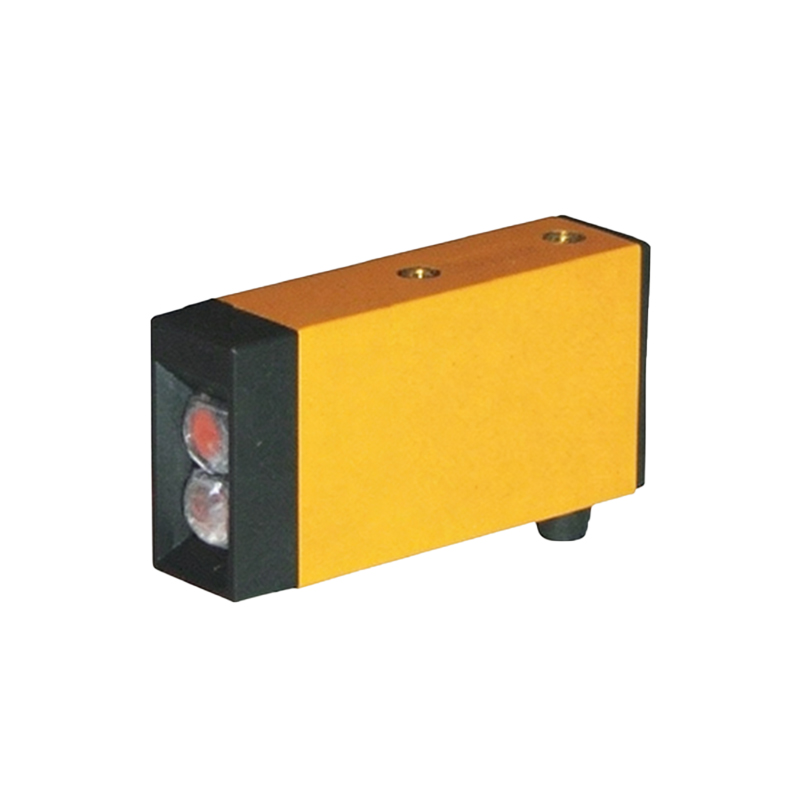
Proper installation is crucial for optimal performance. First, align the sensor and reflector so the light beam is centered. Use a mounting bracket that allows fine adjustment. Ensure the reflector is clean and free from scratches. The distance between sensor and reflector should match the specified sensing range, typically between 0.1 and 15 meters. Avoid placing shiny metallic objects near the beam path, as they may cause false triggers. Calibration involves setting the sensitivity threshold to ignore background interference. Most sensors feature a potentiometer or push-button teach function. After installation, test with representative objects of different sizes and surface finishes. For high-speed applications, consider sensors with fast response times (under 1 ms). Regular maintenance includes cleaning the lens and reflector with a lint-free cloth.
Troubleshooting Common Issues
Common problems include false triggering, no output, or reduced sensing distance. False triggering often results from reflective surfaces beyond the intended target or misaligned reflectors. Check that the polarization filters are not damaged. No output may indicate a disconnected wire, faulty reflector, or blocked lens. Use a test target to verify basic operation. Reduced distance can be due to dirty optics, wrong reflector type, or ambient light interference. Consider using an LED indicator to confirm beam alignment. For persistent issues, swap the sensor with a known working unit to isolate the problem. In dusty environments, install an air purge system to keep the lens clean. Always consult the manufacturer’s datasheet for specific diagnostic codes and recommended settings.
Future Trends and Technological Advancements
The evolution of retro-reflective sensors is driven by Industry 4.0 demands. New models incorporate IO-Link communication for real-time data exchange, enabling predictive maintenance and remote configuration. Miniaturization allows integration into space-constrained robotic grippers. Advanced algorithms now compensate for environmental changes, such as fog or steam. Fiber-optic retro-reflective sensors offer enhanced flexibility for bending around corners. Smart sensors with self-diagnosis capabilities alert operators to performance degradation before failure. As automation systems become more complex, these sensors will play a key role in ensuring uptime and precision. The adoption of laser-based emitters extends sensing ranges to over 50 meters, opening new applications in large-scale logistics and outdoor systems.