Introduction to Non-Photoelectric Light Sources
In electrical engineering, light sources are often associated with photoelectric sensors, which detect changes in light intensity. However, many applications require light sources that do not rely on sensor integration. These non-sensor light sources serve purposes like illumination, signaling, or process control in industrial environments. Unlike photoelectric sensors, they focus on emitting consistent light without feedback loops, ensuring reliable performance in harsh conditions such as high temperatures or dust exposure.
Key Types of Non-Sensor Light Sources
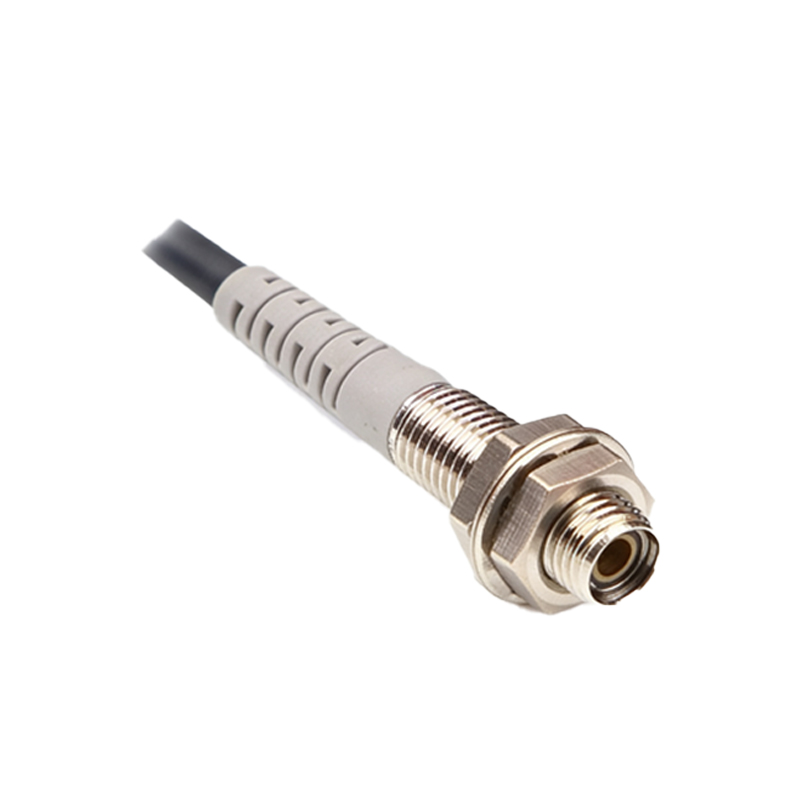
The most common non-photoelectric light sources include incandescent lamps, LED arrays, and halogen bulbs. Incandescent lamps produce light by heating a filament, offering a warm color temperature ideal for visual inspection. LED arrays are energy-efficient and durable, with long lifespans suitable for continuous operation in machinery. Halogen bulbs provide intense, focused light for precision tasks like laser alignment. Each type is chosen based on factors like luminosity, power consumption, and environmental resistance.
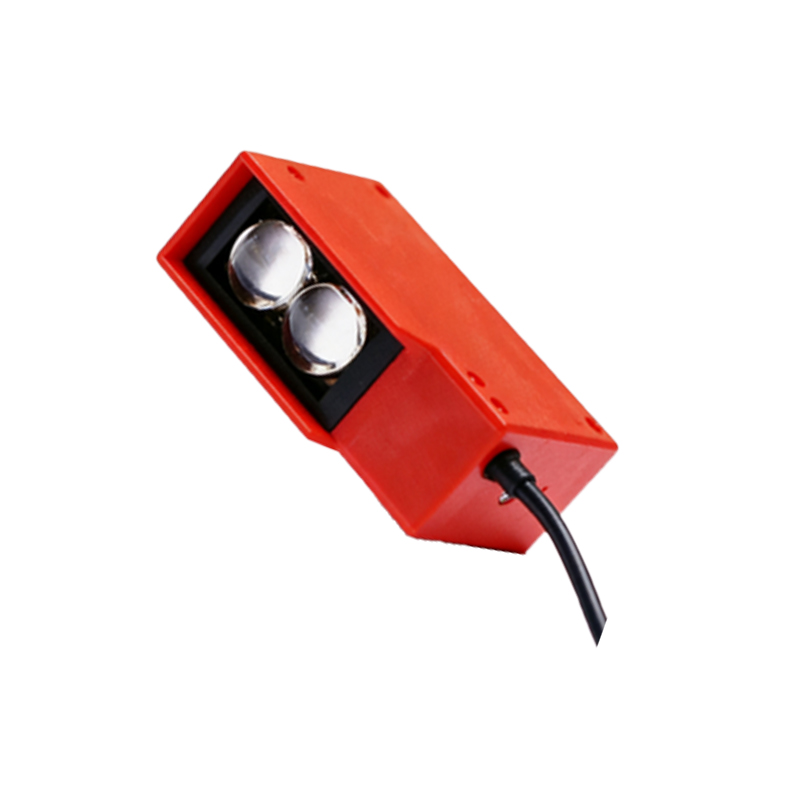
Design Considerations for Industrial Applications
When selecting a non-sensor light source, engineers must evaluate parameters such as spectral output, thermal management, and electrical compatibility. For example, in automated assembly lines, LED strips with uniform light distribution reduce shadows for camera-based quality checks. Thermal dissipation is critical for halogen lamps in enclosed spaces to prevent overheating. Additionally, voltage regulation ensures stable light output, avoiding flicker that could disrupt high-speed processes.
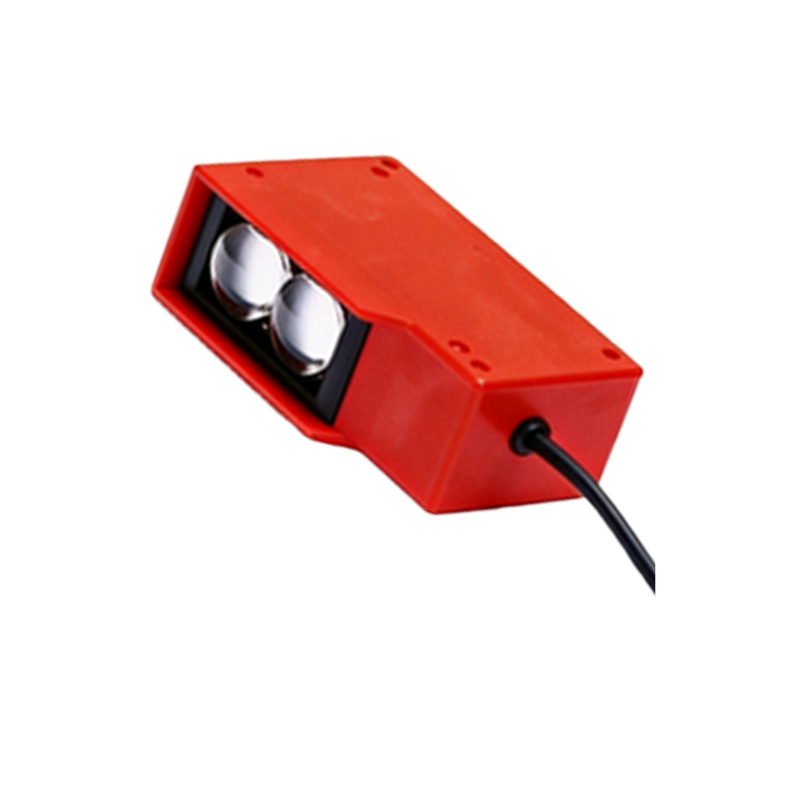
Advantages Over Sensor-Integrated Systems
Non-sensor light sources offer simplicity and cost-effectiveness. Without integrated detectors, they eliminate calibration needs and reduce failure points. This makes them ideal for basic illumination in storage areas or backup lighting in power plants. Moreover, they are easier to replace and maintain, as they do not require matching sensor specifications. In hazardous environments, such as explosive zones, using passive light sources minimizes spark risks.
Future Trends in Light Source Technology
Emerging innovations include solid-state lighting and organic LEDs (OLEDs) for flexible applications. Solid-state sources like laser diodes offer high precision for industrial measurement tools. OLEDs provide thin, diffused light for signage or dashboard displays. These technologies still avoid sensor integration, focusing on improving efficiency and adaptability. As automation advances, engineers will continue to optimize non-sensor light sources for tasks like UV curing or infrared heating in manufacturing.
Conclusion and Practical Guidance
Understanding non-photoelectric light sources is essential for designing robust electrical systems. By focusing on emission characteristics and operational constraints, engineers can select appropriate lighting for tasks such as inspection, warning signals, or general area illumination. Always prioritize safety standards and energy regulations when integrating these sources into existing infrastructure.