Introduction to Off-Delay in Photoelectric Sensors
Off-delay, also known as delay-off or turn-off delay, is a critical timing function in photoelectric sensors used extensively in industrial automation. This feature allows the sensor output to remain active for a predefined period after the target object has moved out of the detection range. In practical terms, when a sensor detects an object and then loses it, the output does not immediately switch off but instead holds for a set duration. This capability is essential for applications requiring precise timing, such as conveyor belt control, part counting, or avoiding false triggers due to rapid object movement. Off-delay enhances system reliability by preventing erratic switching caused by momentary interruptions like vibration, dust, or light interference.
How Off-Delay Works in Sensor Circuitry
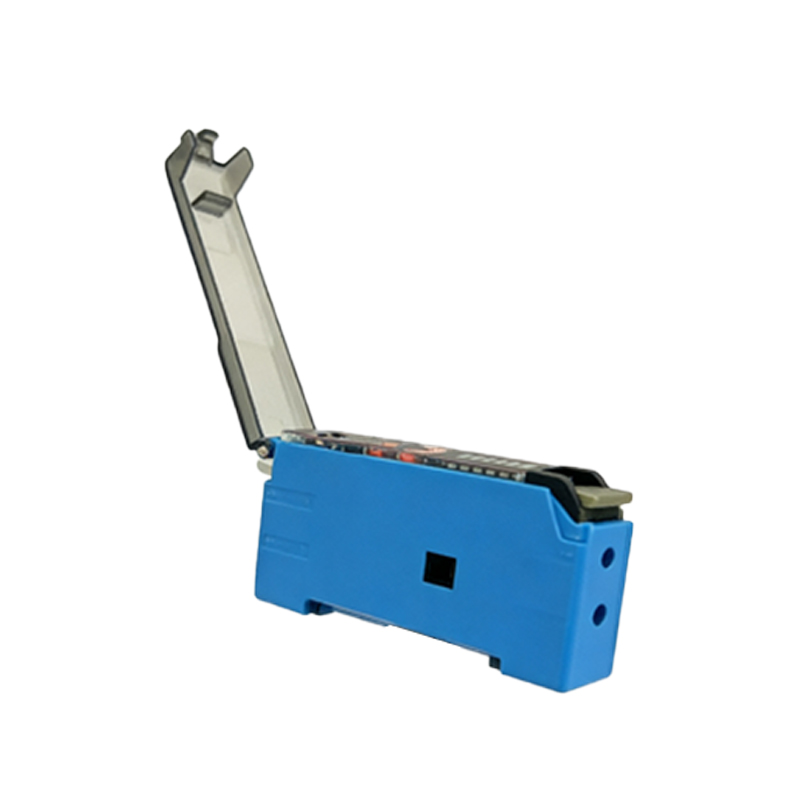
The off-delay function is implemented through internal timer circuits within the photoelectric sensor. Typically, these timers are adjustable via a potentiometer, DIP switch, or digital interface, allowing engineers to set the delay period from milliseconds to seconds. When the sensor beam is broken or reflected by a target, the output activates immediately. Once the target leaves the detection zone, the timer begins counting down. The output remains HIGH until the delay expires, then switches OFF. For example, in a through-beam sensor, if the light path is interrupted, the output triggers, and after the interruption ends, the off-delay holds the signal. This behavior is distinct from on-delay, which delays the start of the output. Understanding this distinction is crucial for troubleshooting and design.
Common Applications of Off-Delay in Industry
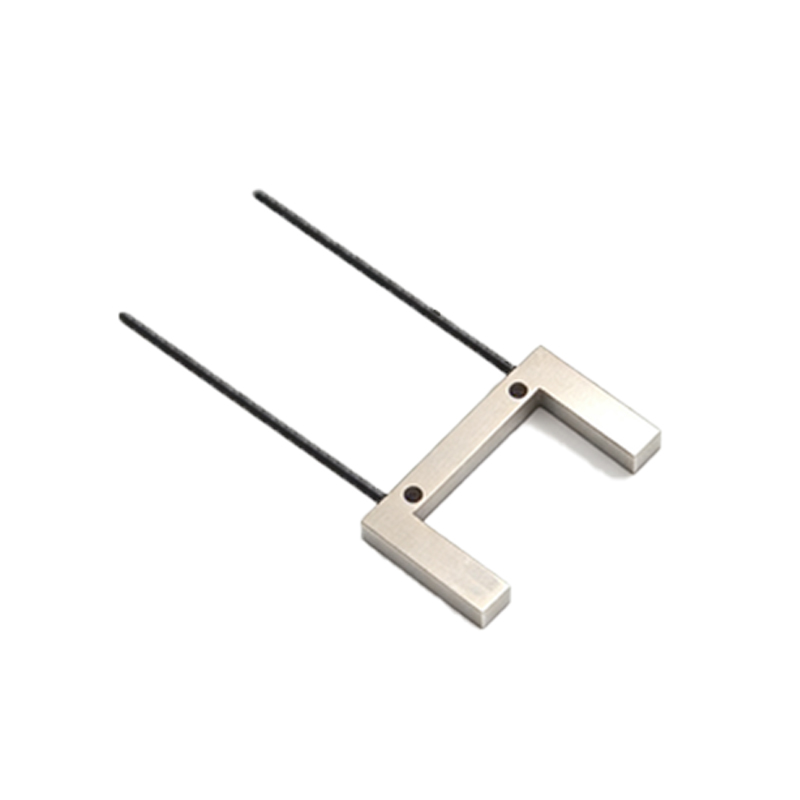
Off-delay is widely applied in manufacturing and material handling. One typical use is in conveyor systems to ensure parts are properly positioned before a downstream process begins. For instance, after a sensor detects a box at the end of a conveyor, an off-delay can keep a gate open for a short time, allowing the box to pass completely before closing. Another application is in automated assembly where sensors monitor component presence; off-delay prevents false signals from fast-moving parts. In packaging lines, it helps synchronize label application or sealing operations. Additionally, in safety systems, off-delay can extend a warning signal, giving operators time to react before a machine stops.
Benefits and Considerations for Engineers
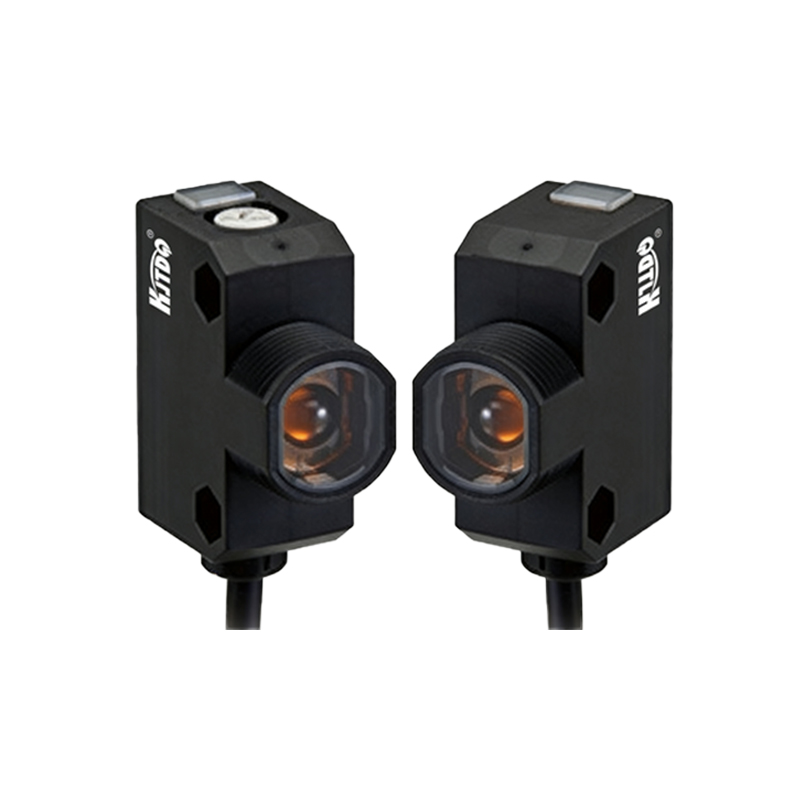
For electrical engineers, off-delay offers several advantages. It reduces the need for external PLC timers, simplifying wiring and lowering costs. It also improves system stability by filtering out transient detection events, such as when a shiny surface briefly reflects light away from the sensor. However, careful tuning is required: too short a delay may cause missed triggers, while too long a delay can slow down production cycles. Engineers must also consider sensor response time and ambient conditions like temperature or humidity, which can affect timer accuracy. Selecting sensors with adjustable off-delay ranges, such as 0.1 to 10 seconds, provides flexibility for diverse applications.
Technical Specifications and Selection Criteria
When selecting a photoelectric sensor with off-delay, review key parameters: delay range, repeatability, and power supply requirements. Typical industrial sensors offer off-delay from 50 ms to 30 seconds, with accuracy within ±5%. Ensure the sensor type—through-beam, retro-reflective, or diffuse—matches the target material and distance. For example, in dusty environments, a through-beam sensor with off-delay prevents false triggers from dust clouds. Also, verify output configuration: NPN, PNP, or relay, and whether the delay works in both light-on and dark-on modes. Documentation from manufacturers like Banner Engineering or SICK provides detailed timing diagrams.
Troubleshooting Off-Delay Issues
If a sensor with off-delay behaves unexpectedly, start by checking the timer setting against the application cycle time. A common problem is output staying ON too long due to an excessive delay value. Use an oscilloscope to measure actual timing versus the set value. Also, inspect the sensor alignment and lens cleanliness; dirt can cause false detections that reset the timer. In high-vibration environments, mechanical loosening may affect the timer adjustment. For digital sensors, verify firmware settings. If issues persist, consider whether on-delay or a different sensor type might be more suitable.