Enhanced Detection Range and Accuracy
Modern photoelectric sensors offer significantly improved detection ranges compared to traditional models. With advancements in optics and signal processing, these sensors can reliably detect objects from several meters away, even in challenging environments. Their accuracy is enhanced through focused light beams and sophisticated algorithms that minimize false triggers, ensuring precise counting, positioning, and inspection in manufacturing lines.
Versatile Sensing Modes for Diverse Applications
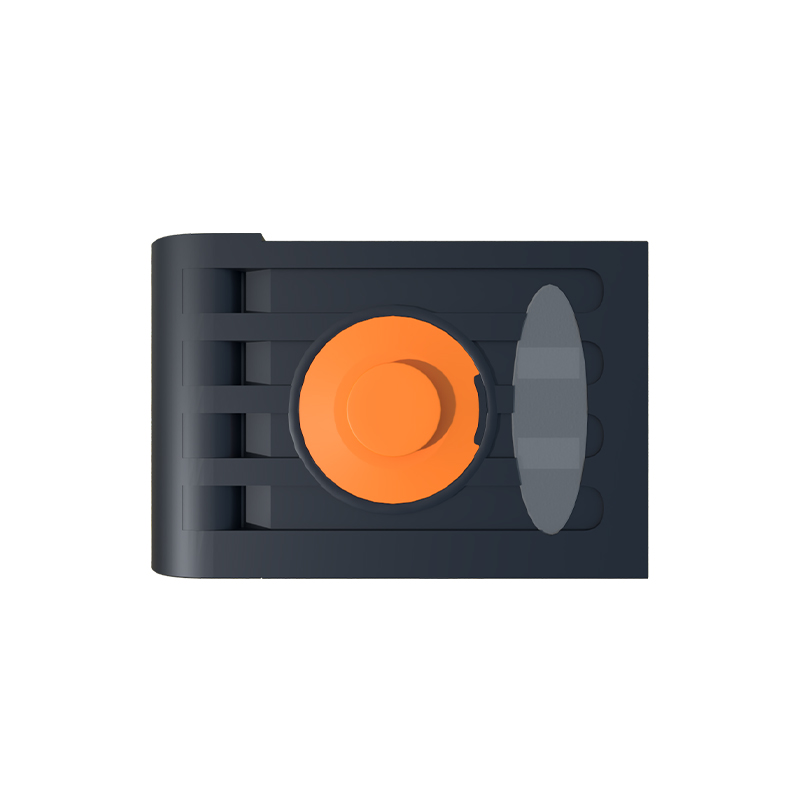
These sensors support multiple operating modes, including through-beam, retro-reflective, and diffuse reflection. Through-beam sensors provide the longest range and highest reliability for clean environments, while retro-reflective types simplify wiring with a single device and reflector. Diffuse sensors are ideal for detecting objects without a reflector, making them suitable for conveyors and packaging machines. This versatility allows engineers to select the optimal mode for specific industrial tasks.
Immunity to Environmental Interference
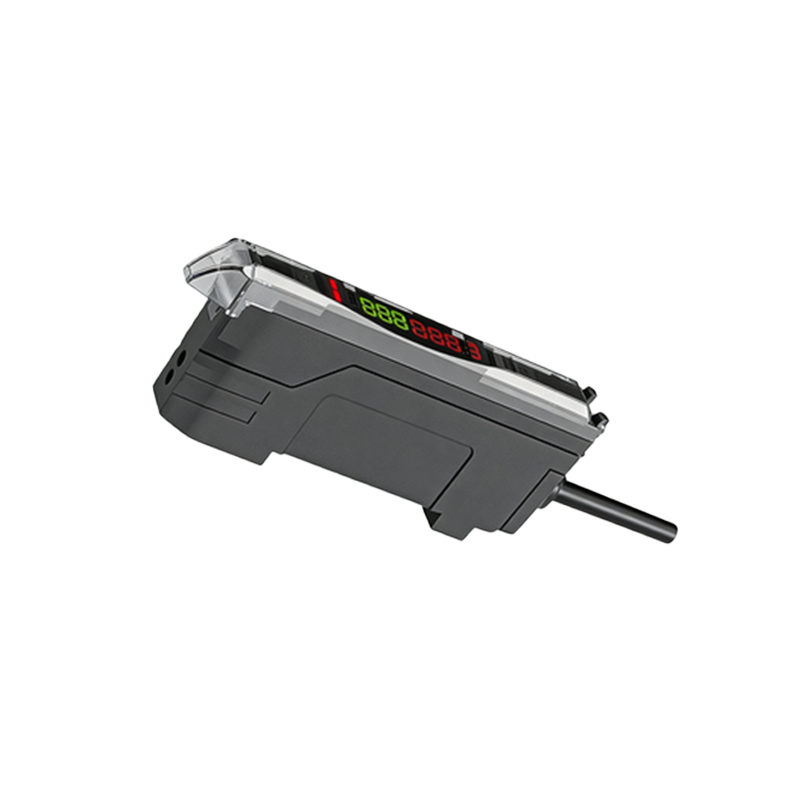
One critical feature is their resistance to dust, moisture, and ambient light. Modern photoelectric sensors use modulated light and optical filters to distinguish signal from noise. IP67 or higher ratings ensure reliable operation in washdown areas or outdoor settings. This durability reduces maintenance needs and downtime, which is essential for continuous production processes.
Compact and Flexible Design for Integration
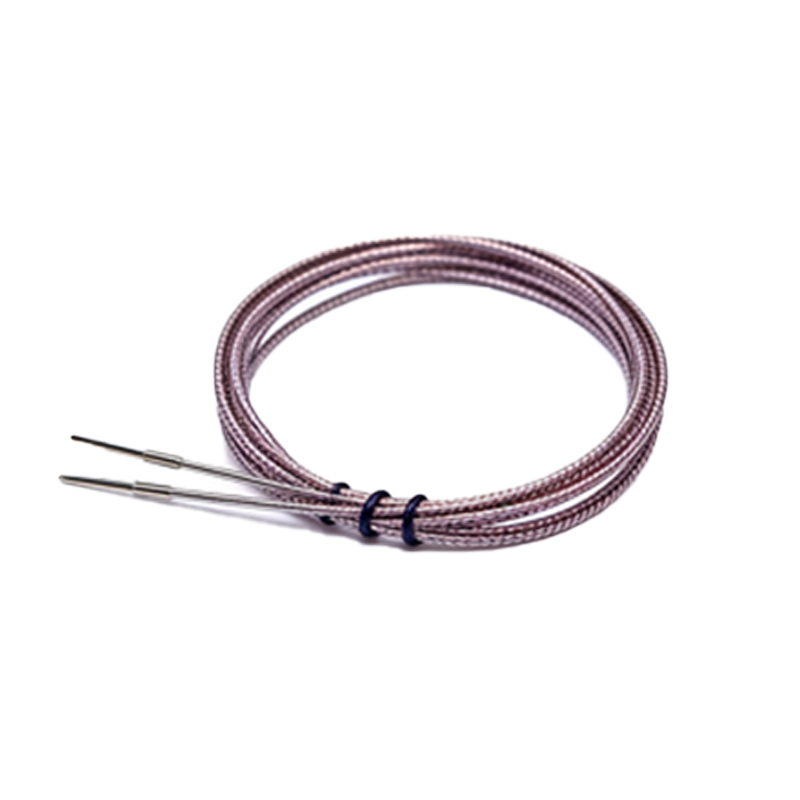
Miniaturization has enabled these sensors to fit into tight spaces without compromising performance. Many models feature M8 or M12 connectors for quick installation, and their slim profiles allow mounting on robotic arms or narrow conveyor frames. Additionally, some sensors offer adjustable sensitivity and output types (PNP, NPN, or IO-Link), simplifying integration with PLCs and other control systems.
Smart Features and Connectivity for Industry 4.0
The latest photoelectric sensors incorporate IO-Link communication, enabling real-time data exchange with central controllers. This allows remote parameter adjustment, diagnostics, and predictive maintenance. Smart sensors can also store configuration profiles, reducing changeover time during product line switches. Such capabilities align with Industry 4.0 initiatives, improving overall equipment effectiveness (OEE).
Energy Efficiency and Long Lifespan
Modern designs utilize low-power LEDs and efficient electronics, consuming minimal energy while maintaining high performance. Many sensors feature a lifespan exceeding 50,000 hours, reducing replacement costs. Some models include automatic power-down modes during idle periods, further conserving energy in automated factories.
Ease of Setup and Alignment
With built-in alignment indicators, such as visible red or infrared beams, and LED status lights, installation and calibration are straightforward. Some sensors offer auto-tuning functions that optimize gain and threshold settings with a single push button. This reduces commissioning time and operator training requirements, accelerating system deployment.
Reliability in High-Speed Operations
High-speed switching frequencies (up to several kilohertz) allow these sensors to detect fast-moving objects, such as items on high-speed packaging lines or rotating machinery. This responsiveness ensures accurate timing for triggers and sorting actions, preventing product jams or misalignment.