Introduction: The Ubiquitous Yet Underestimated Component
In the modern electrical and automation industry, photoelectric sensors are often taken for granted. They are the silent workhorses on assembly lines, packaging machines, and safety systems. However, the true picture of their current market status is more nuanced than simple reliability. As a field engineer, I have seen firsthand the gap between glossy datasheets and real-world performance. This article strips away the marketing hype to present the authentic landscape of photoelectric sensors in 2024.
Market Dominance: Cost vs. Capability
The market is flooded with low-cost sensors from emerging manufacturers, particularly from Asia. While this has driven down prices, it has also created a two-tier system. On one side, you have high-end brands like SICK, Banner, and Keyence that offer precision and durability for harsh environments. On the other, a sea of generic sensors that work adequately in clean, controlled settings but fail quickly in dusty or wet conditions. The true cost is not the purchase price, but the downtime caused by false triggers or sensor drift. Engineers must now carefully choose based on application, not just budget.
Technical Challenges: The Struggle with Real-World Conditions
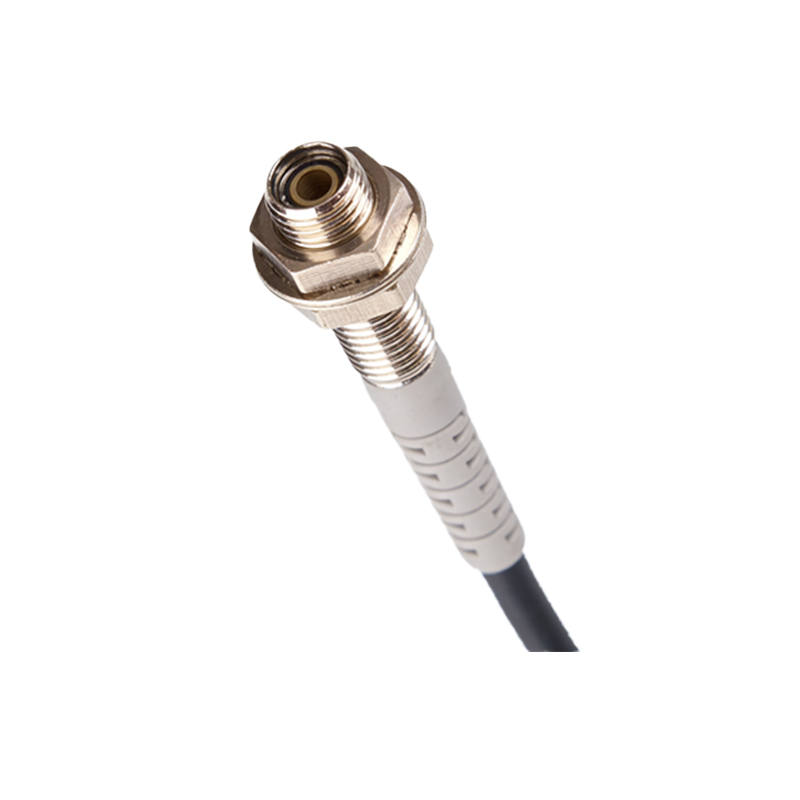
Despite decades of development, photoelectric sensors still face fundamental challenges. Background suppression remains a tricky issue, especially with glossy or black objects. Many sensors claim a high excess gain, but in practice, ambient light interference—from LED factory lighting or direct sunlight—can cause erratic behavior. Another persistent problem is crosstalk when multiple sensors are mounted in close proximity. Modern units with pulse modulation help, but they are not a magic bullet. The industry often pushes "plug-and-play," but installation still requires careful alignment and calibration, which many technicians overlook.
IO-Link and Smart Sensors: The Promised Revolution
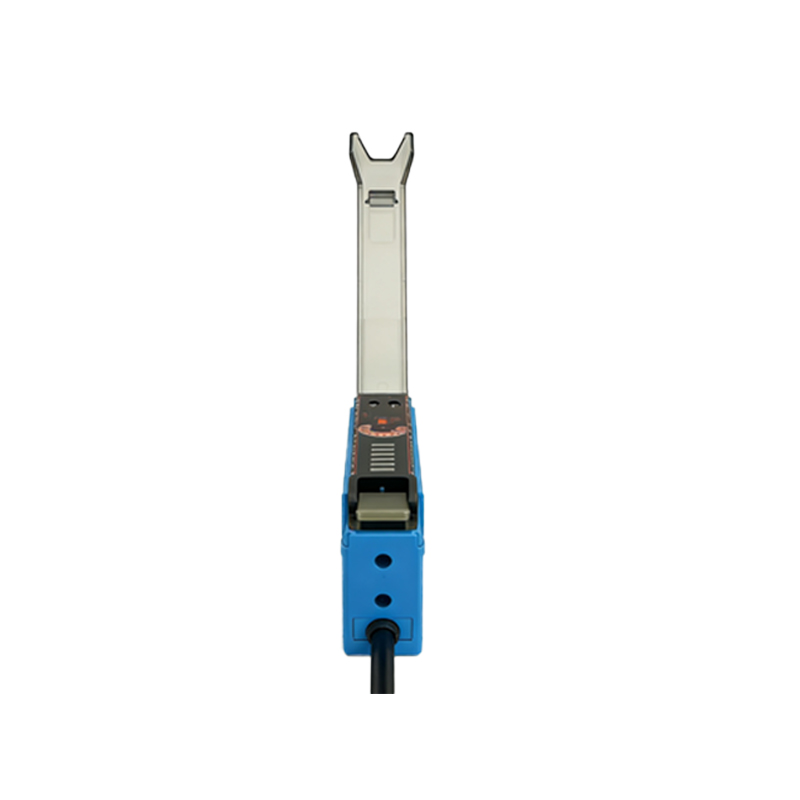
The introduction of IO-Link has been a game-changer on paper. It allows for parameter setting, diagnostics, and data feedback directly from the sensor. However, the adoption rate in the field is slower than expected. Many factories still rely on basic NPN/PNP outputs because upgrading entire PLC systems and training staff is costly. The smart sensor revolution is real, but it is happening in greenfield installations, not in retrofitting old lines. The real value of IO-Link is in predictive maintenance—detecting lens contamination or temperature drift before a failure occurs.
Material and Environmental Durability
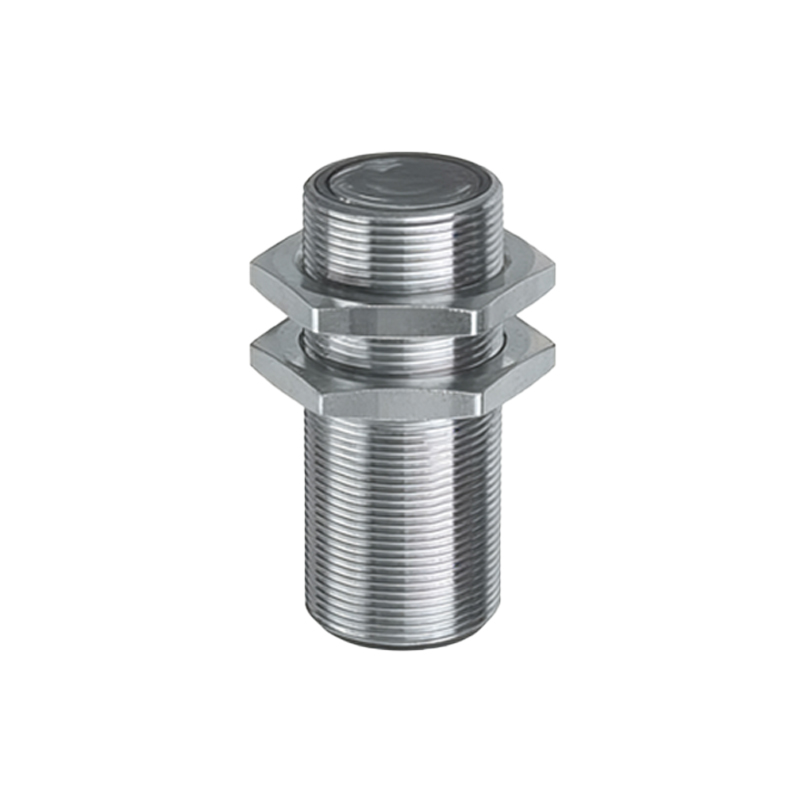
The housing material of photoelectric sensors is often an afterthought, but it is critical. Standard ABS plastic housings crack under UV exposure or chemical washdowns. Metal housings (stainless steel or zinc die-cast) are preferred in food and beverage or pharmaceutical industries. However, even metal sensors can suffer from corrosion if the seals fail. The IP67 and IP69K ratings are frequently misinterpreted; a sensor rated for high-pressure washdown can still fail if the cable entry is not properly sealed. The industry needs more honest testing standards for real-world abuse.
Future Outlook: Miniaturization and AI Integration
The next frontier is smaller form factors without sacrificing detection range. Sensors like the new miniature laser types can detect tiny objects at long distances, but they are expensive and sensitive to vibration. Another trend is the integration of simple AI for object classification. However, this adds processing latency and cost. For now, the most practical advancement is better optical filters to reject ambient light. The industry must balance innovation with simplicity—most maintenance teams prefer a sensor that just works, without requiring a software update to recalibrate.
Conclusion: The Practical Engineer’s Perspective
The photoelectric sensor market is not broken, but it is fragmented. For a reliable installation, engineers must ignore the marketing noise and focus on three things: the environment (dust, moisture, temperature), the target (color, texture, reflectivity), and the wiring (noise immunity, cable length). The best sensor is not the most expensive, but the one that matches the application’s real stress points. As the industry moves toward Industry 4.0, the fundamental physics of light detection remain unchanged—only our ability to integrate and interpret the data improves.