1. Automatic Doors in Supermarkets and Airports
Photoelectric sensors are the unseen workers behind sliding doors. When a person approaches, a through-beam or retro-reflective sensor detects the interruption of a light beam, triggering the door mechanism. This enhances energy efficiency by reducing air conditioning loss and improves accessibility for wheelchair users and those carrying heavy loads.
2. Assembly Line Product Counting
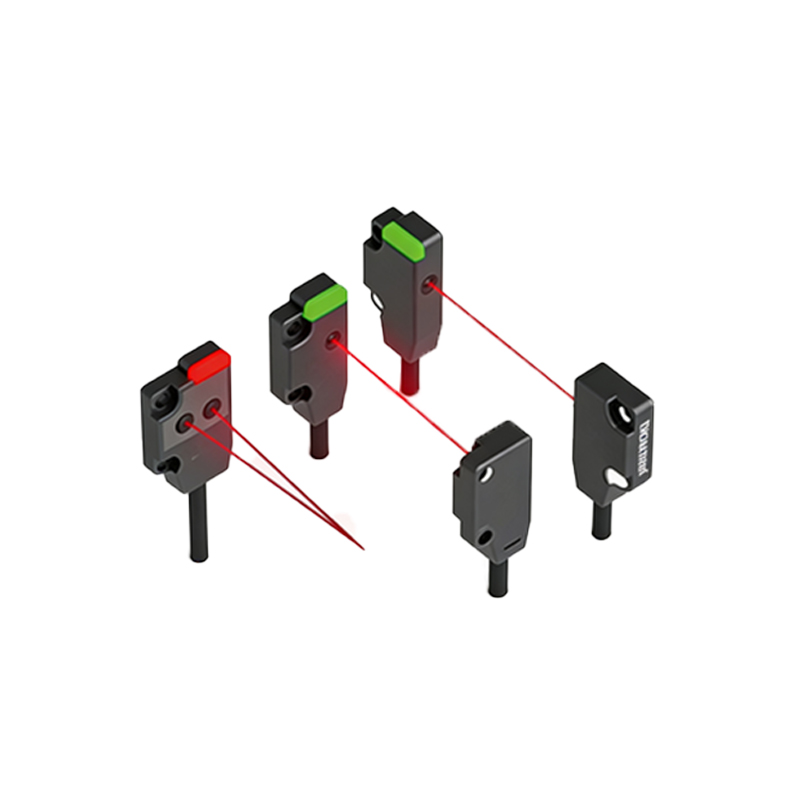
In manufacturing, a diffuse photoelectric sensor mounted above a conveyor belt counts thousands of items per minute. Its compact design and fast response time (often below 1 ms) ensure no bottle, box, or component is missed. This data feeds directly into SCADA systems for real-time inventory management.
3. Toilet Flush and Faucet Activation
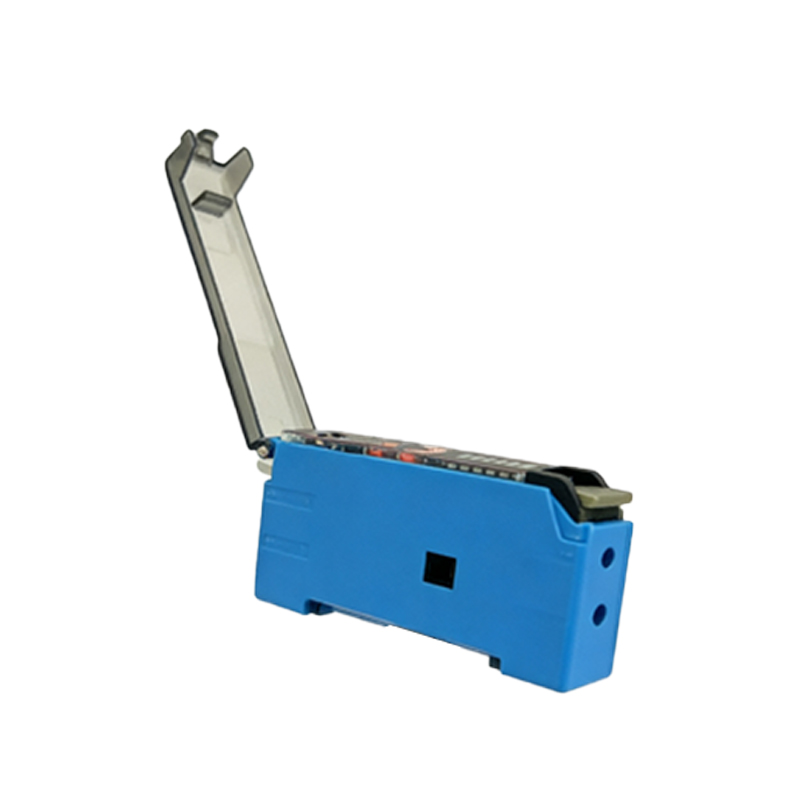
Modern public restrooms rely on diffuse reflective sensors embedded in faucets and flush valves. When hands or movement are detected within a short range (typically 5–15 cm), a signal triggers the solenoid valve. This contactless operation reduces germ spread and water waste, a standard in LEED-certified buildings.
4. Garage Door Safety Systems
Every residential automatic garage door includes a safety photoelectric sensor pair mounted near the ground. If the infrared beam is broken by a child, pet, or object while the door is closing, the controller immediately reverses the door. This meets UL 325 safety standards and prevents crushing accidents.
5. Printers and Paper Jam Detection
Inside laser printers, small photoelectric sensors monitor paper path positions. When a sheet passes, it reflects or interrupts a beam, and the timing difference indicates a jam or misfeed. This allows the printer firmware to pause the job and display a precise error code, saving user time.
6. Conveyor Belt Sorting Systems
In logistics centers, color-mark photoelectric sensors distinguish packages by labels or reflectivity. A sensor tuned to detect a specific color contrast (e.g., blue tape on a brown box) triggers a diverter arm, sending parcels to different chutes. This enables high-speed sorting with accuracy above 99.9%.
7. Elevator Leveling Adjustment
Elevators use through-beam sensors at each floor to detect the car’s exact stopping position. If the car stops 2 mm above the floor, the controller adjusts the motor to align perfectly. This prevents tripping hazards and reduces wear on door interlocks.
8. Water Level Monitoring in Tanks
A fiber optic photoelectric sensor can be placed inside a water tank to detect liquid presence. When the water level rises and changes the light refraction, the sensor output switches. This is preferred over float switches in corrosive environments because no moving parts are submerged.
9. Safety Light Curtains for Robotic Cells
In industrial automation, a series of parallel photoelectric beams form a safety curtain around a robot arm. If any beam is broken by a worker’s hand, the control system immediately stops the robot within 20 ms. This complies with ISO 13849 safety standards and allows faster production cycles.
10. Smart Street Lighting Control
Municipalities install photoelectric sensors on streetlight poles to measure ambient light levels. When dusk reduces natural light below a threshold (e.g., 50 lux), the sensor signals the LED driver to turn on. This eliminates timers and saves up to 30% energy by avoiding daytime operation.