Introduction to Photoelectric Sensor Disinfection Tunnels
In industrial settings, photoelectric sensor disinfection tunnels have become essential for maintaining hygiene and safety. These tunnels utilize advanced photoelectric sensors to detect objects or individuals passing through, triggering automated disinfection processes. They are widely used in manufacturing plants, logistics centers, and healthcare facilities to reduce contamination risks without manual intervention. The integration of photoelectric sensors ensures precise detection, making them suitable for high-traffic environments where reliability and efficiency are critical.
Key Types of Photoelectric Sensor Technologies Used
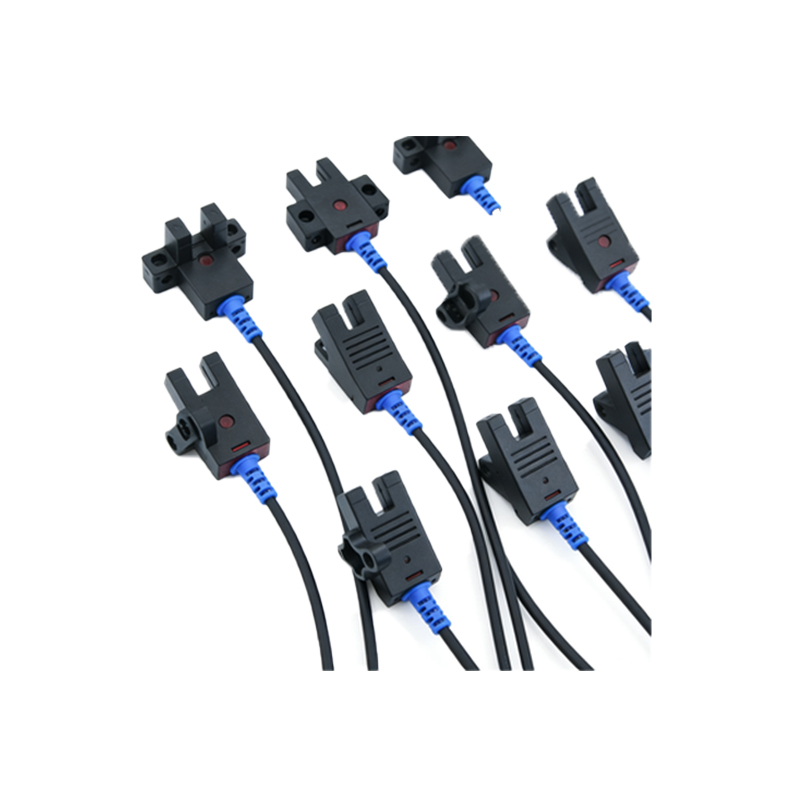
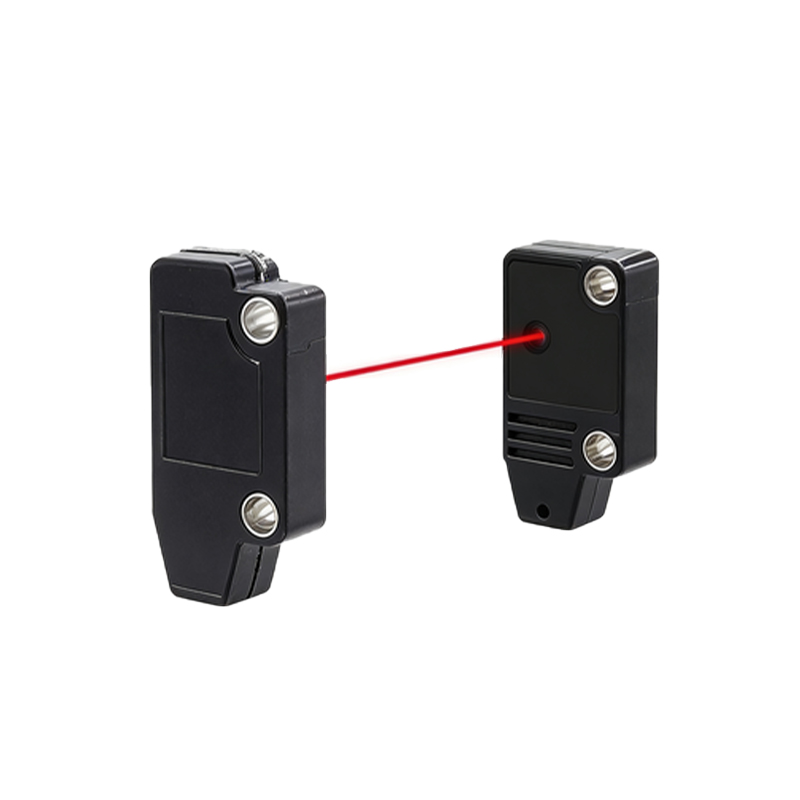
The effectiveness of disinfection tunnels largely depends on the photoelectric sensor types employed. Common technologies include through-beam sensors, which use separate transmitter and receiver units for long-range detection; retro-reflective sensors, which rely on a reflector for accurate object sensing; and diffuse reflective sensors, which detect objects by measuring reflected light from the target itself. For industrial applications, through-beam sensors are often preferred for their robustness in dusty or humid conditions, while diffuse sensors offer flexibility for irregularly shaped items.
Standard Disinfection Tunnel Configurations
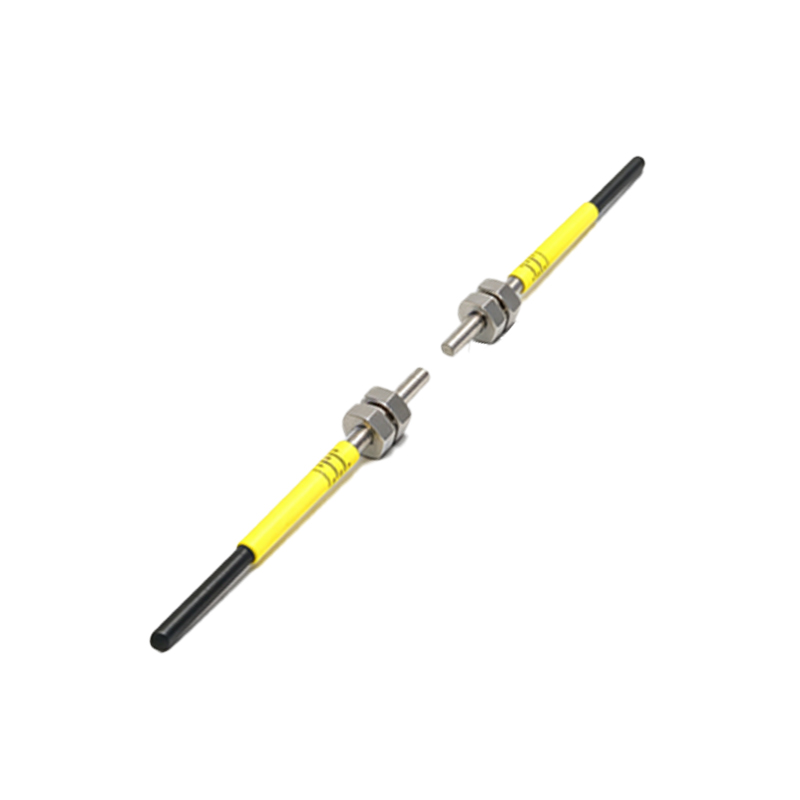
Photoelectric sensor disinfection tunnels come in various configurations to meet specific operational needs. The most common designs include walk-through tunnels for personnel, conveyor belt tunnels for packages and products, and mobile tunnels for temporary setups. Each configuration integrates photoelectric sensors at entry and exit points to control spray nozzles, UV lights, or misters. For example, in a conveyor tunnel, sensors detect the arrival of a package, activating a timed disinfection cycle to ensure complete coverage without overspray.
Operational Advantages in Industrial Environments
Implementing photoelectric sensor disinfection tunnels offers several benefits in industrial settings. These systems enhance workflow efficiency by automating disinfection, reducing the need for manual cleaning labor. They also minimize human error, as sensors provide consistent triggering based on actual presence rather than timers. Additionally, photoelectric sensors can be integrated with programmable logic controllers (PLCs) for data logging and remote monitoring, allowing facilities to track disinfection cycles and maintain compliance with health regulations.
Considerations for Selection and Installation
When selecting a photoelectric sensor disinfection tunnel, engineers should evaluate factors like sensor range, response time, and environmental resistance. For instance, in areas with high moisture or chemical exposure, sensors with IP67 or higher ratings are recommended. Installation requires careful alignment of sensors to avoid false triggers or missed detections. Furthermore, the disinfection method (e.g., UV-C, hydrogen peroxide mist, or alcohol spray) must be compatible with the materials being treated to prevent damage. Routine calibration and cleaning of sensor lenses are also essential for long-term reliability.
Future Trends and Innovations
The evolution of photoelectric sensor disinfection tunnels is driven by advancements in sensor technology and automation. Emerging trends include the use of multi-spectral sensors for enhanced detection in challenging conditions, such as low light or reflective surfaces. Additionally, integration with artificial intelligence (AI) allows for adaptive disinfection protocols based on traffic patterns or contamination levels. Industrial engineers should monitor developments in wireless sensor networks and IoT connectivity to further optimize disinfection processes, reducing downtime and resource consumption.