Introduction to Photoelectric Sensors in Defense
Photoelectric sensors are pivotal in modern military technology, leveraging light-based detection to enhance situational awareness, target acquisition, and system automation. These sensors emit a beam of light, typically infrared or visible, and detect changes in the reflected or interrupted beam to identify objects, distances, or movements. In military contexts, their reliability, precision, and ability to operate in harsh environments make them indispensable for applications ranging from perimeter security to weapon guidance systems. Unlike traditional mechanical sensors, photoelectric variants offer non-contact operation, reducing wear and enabling stealthier deployments. Their integration into military hardware is driven by the need for rapid response and minimal human intervention, aligning with the evolving demands of electronic warfare and autonomous systems.
Perimeter Security and Surveillance
One of the most common military uses of photoelectric sensors is in perimeter security. These sensors form invisible light barriers around bases, ammunition depots, or sensitive command centers. When an intruder interrupts the beam, the sensor triggers an alarm, often linked to automated surveillance cameras or lighting systems. This setup provides 24/7 monitoring without constant human oversight, crucial for remote or high-risk areas. In combat zones, photoelectric sensors are embedded in tripwire-like configurations to detect enemy movements through vegetation or terrain, even in low-visibility conditions. Their ability to differentiate between humans, animals, and vehicles via signal processing reduces false alarms, enhancing operational efficiency. Additionally, these sensors can be networked, creating layered detection zones that complicate infiltration attempts.
Target Acquisition and Ranging
Photoelectric sensors are integral to laser rangefinders and target designators used in military vehicles, aircraft, and handheld devices. By measuring the time-of-flight of a laser pulse, these sensors calculate precise distances to targets, enabling accurate artillery fire, missile guidance, or sniper adjustments. For example, in tank fire control systems, photoelectric sensors work alongside thermal imagers to lock onto targets despite smoke or camouflage. The sensors’ high-speed response and millimeter-level accuracy are critical in fast-paced combat scenarios, where split-second decisions determine success. They also support autonomous drones in identifying and tracking moving targets, providing real-time data to command centers without exposing personnel to danger.
Weapon Guidance and Countermeasures
In guided munitions, photoelectric sensors serve as seekers, homing onto laser reflections from designated targets. This principle is employed in precision-guided bombs and missiles, such as laser-guided artillery shells. The sensor’s sensitivity to specific wavelengths allows it to filter out ambient light and focus on the designated spot, even in cluttered environments. Moreover, photoelectric sensors are used in countermeasure systems, like laser warning receivers, which detect incoming laser threats and initiate protective measures, such as deploying smokescreens or jamming signals. These applications underscore the sensor’s role in both offensive and defensive military strategies, enhancing survivability and mission success rates.
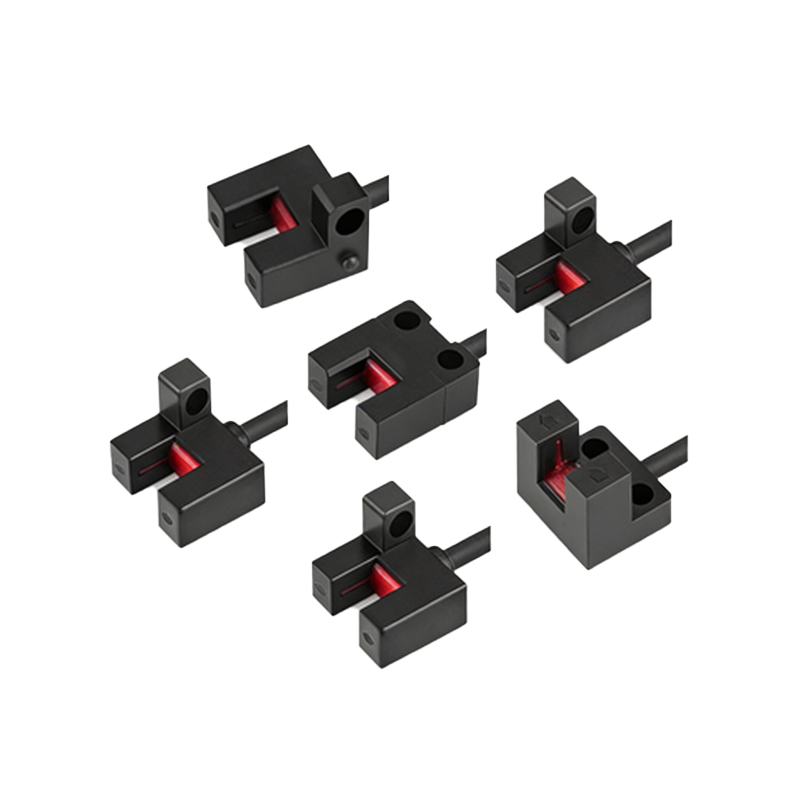
Vehicle and Equipment Automation
Military logistics benefit from photoelectric sensors in automated loading systems, unmanned vehicles, and robotic equipment. For instance, sensors guide robotic arms in ammunition handling, ensuring safe and efficient transfer in hazardous zones. In autonomous ground vehicles, photoelectric sensors detect obstacles and navigate terrain, reducing the risk of collisions during supply missions. They are also embedded in aircraft landing gear to verify deployment status, preventing costly errors. The sensors’ durability against shock, vibration, and extreme temperatures makes them suitable for battlefield conditions, where reliability is non-negotiable. This automation frees up personnel for strategic tasks and minimizes exposure to direct threats.
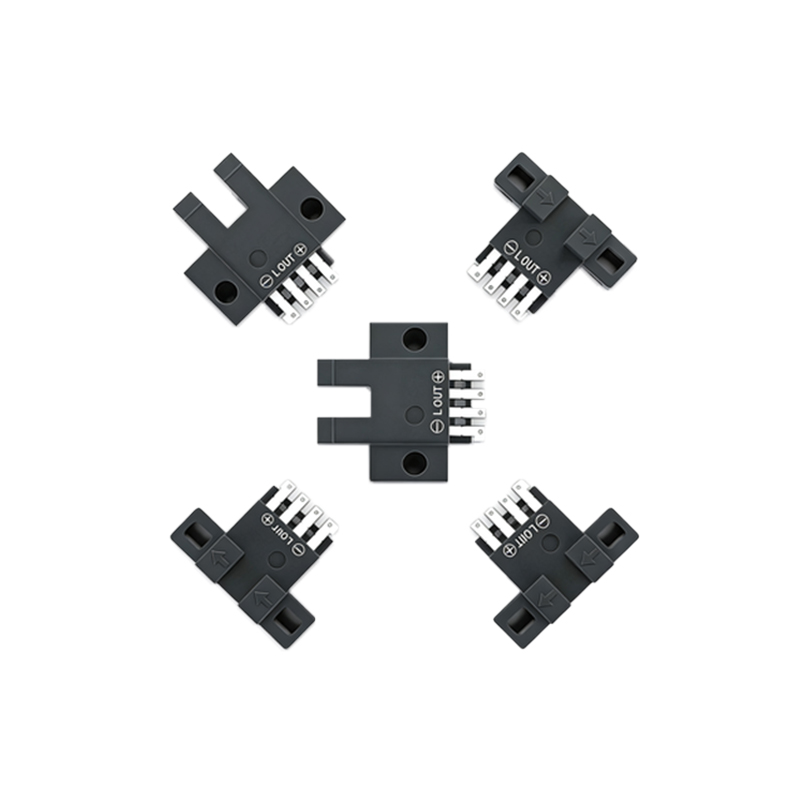
Underwater and Aerial Applications
Photoelectric sensors extend to naval and aerospace operations. In submarines, they are used in periscopes to detect surface vessels or underwater obstacles via light reflection, while in aerial platforms, they support altitude sensing and docking procedures. For example, drone swarms employ photoelectric sensors for collision avoidance during coordinated maneuvers, essential for surveillance or attack missions. The sensors’ adaptability to different mediums—air, water, or vacuum—demonstrates their versatility. In electronic warfare, they can be part of decoy systems, emitting false signals to mislead enemy sensors. These advanced applications highlight the ongoing innovation in military photoelectric technology, driven by the need for stealth, precision, and multi-domain capabilities.
Conclusion: Future Trends and Challenges
As military technology evolves, photoelectric sensors are expected to incorporate AI and machine learning for enhanced target discrimination and adaptive responses. Challenges include countermeasures like laser dazzling or obscurants, which degrade sensor performance. However, developments in multi-spectral sensors and hardened electronics promise to mitigate these threats. The future of photoelectric sensors in military use will likely focus on miniaturization, energy efficiency, and integration with cyber-physical systems, ensuring they remain a cornerstone of defense operations. Their role in shaping modern warfare underscores the importance of continuous research and field testing, aligning with the industry’s commitment to technological superiority.