Introduction to Radiant Photoelectric Sensors
Radiant photoelectric sensors, also known as through-beam sensors, are a fundamental component in modern industrial automation. These devices operate by emitting a continuous beam of light from a transmitter to a separate receiver. When an object interrupts this beam, the sensor detects the change and triggers a signal. Unlike reflective or diffuse sensors, radiant sensors rely on direct line-of-sight between emitter and detector, offering high reliability and long sensing distances. In manufacturing environments, they are widely used for presence detection, counting, and positioning in conveyor systems, packaging lines, and material handling. Their robust performance in dusty or dirty conditions makes them a preferred choice for heavy-duty applications.
How Radiant Photoelectric Sensors Work
The working principle of a radiant photoelectric sensor is straightforward yet highly effective. A transmitter emits a modulated light beam, typically infrared or visible red, towards a receiver placed opposite to it. The receiver is tuned to the same modulation frequency to avoid interference from ambient light sources. When the light beam is uninterrupted, the receiver maintains a constant signal. As an object passes between them, the beam is blocked, causing a drop in signal strength, which is converted into an electrical output. This break-before-make action provides high-speed detection, often in microseconds. The modulation technique also ensures immunity to sunlight and other artificial lighting, enhancing stability in industrial settings.
Key Advantages in Industrial Applications
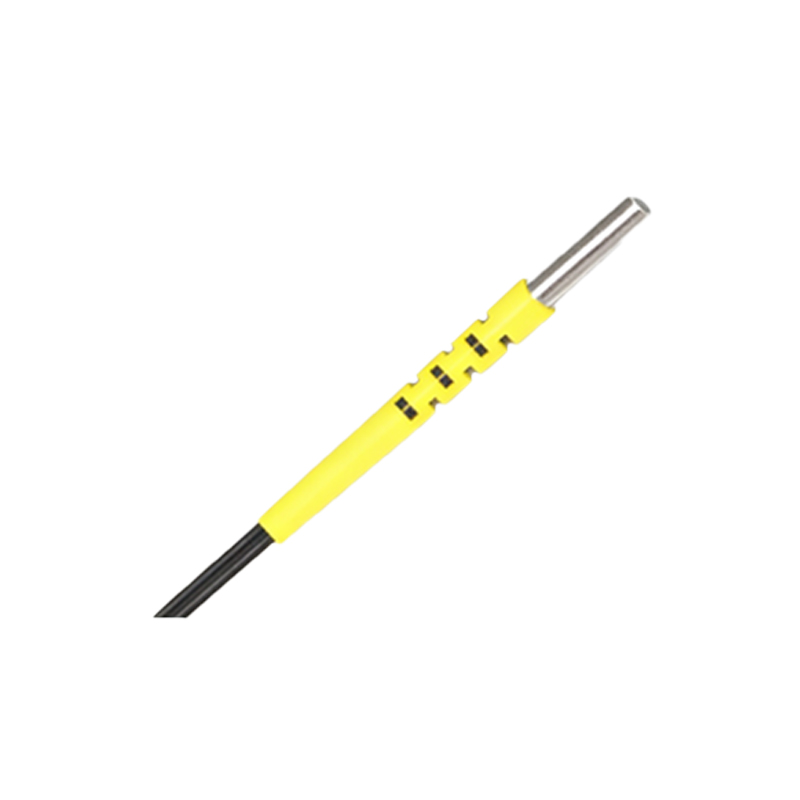
Radiant photoelectric sensors offer several distinct advantages over other sensor types. First, they provide the longest sensing range, often exceeding 100 meters, making them ideal for large-scale automation systems. Second, they are less affected by target surface characteristics such as color, reflectivity, or material; a transparent object like glass or plastic film can be reliably detected because it directly obstructs the beam. Third, they exhibit high response speed, critical for high-speed assembly lines. Additionally, the separate emitter and receiver design reduces false triggers caused by dust accumulation, as the beam path is less prone to interference. These features translate to lower maintenance costs and higher operational uptime.
Common Installation and Alignment Challenges
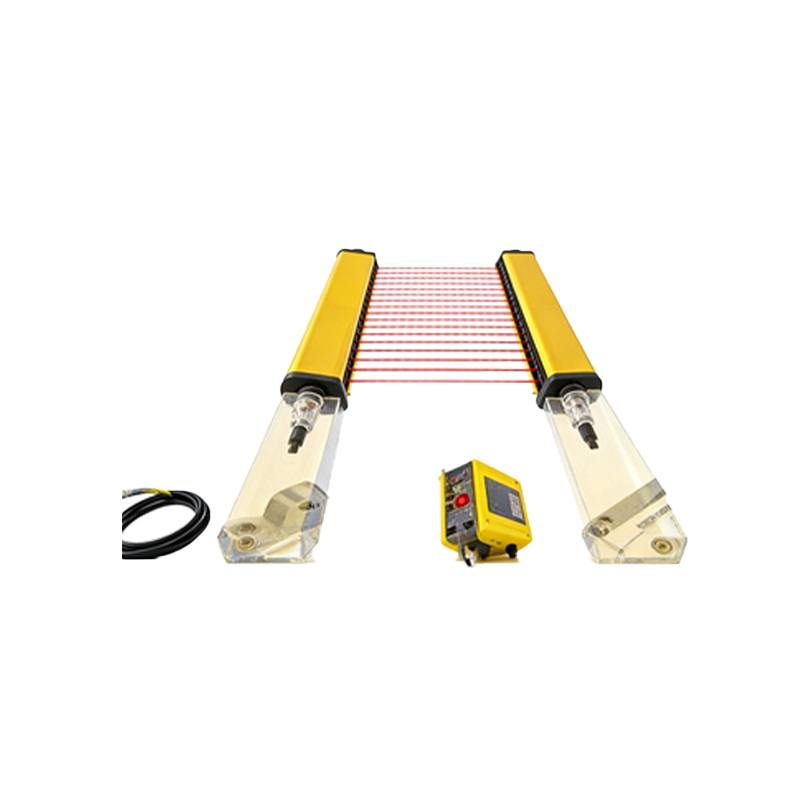
Despite their benefits, radiant photoelectric sensors require careful installation. Proper alignment between the transmitter and receiver is crucial; even a slight angular deviation can reduce effective range or cause intermittent detection. In practice, installers use alignment tools or built-in indicators to ensure precise positioning. Vibration in machinery can also misalign the pair over time, necessitating robust mounting brackets with lockable adjustments. Furthermore, the need for two separate units increases wiring complexity and space requirements. In confined areas, this may limit their use compared to compact retro-reflective sensors. Solutions include using pre-aligned sensor pairs with quick-connect cables and vibration-dampening mounts.
Selecting the Right Radiant Sensor for Your System
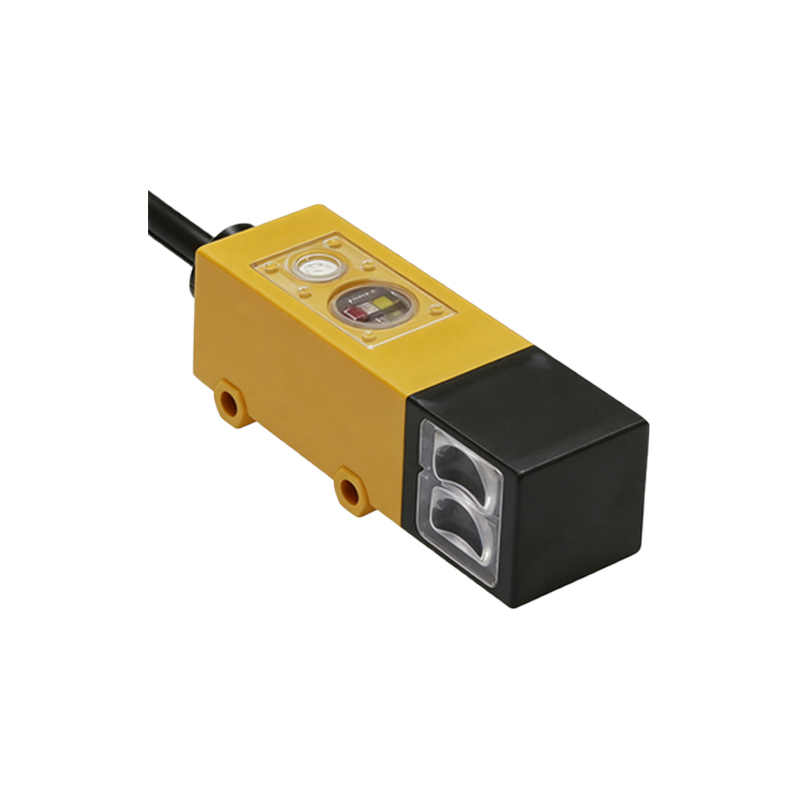
Choosing a radiant photoelectric sensor involves evaluating several parameters. The sensing distance must match the application environment; for long distances, high-power IR emitters are recommended, while short-range tasks may use visible red light for easier alignment. Consider the ambient conditions: if the area has high dust or fog, a sensor with an adjustable sensitivity and output time delay can prevent nuisance triggering. The output type, such as NPN or PNP in DC systems, or relay in AC systems, must align with the controller interface. Finally, check the enclosure rating, typically IP67 or higher for washdown environments. Consulting with suppliers for a specific model based on these criteria can optimize performance and longevity.
Future Trends and Technological Innovations
The evolution of radiant photoelectric sensors is driven by Industry 4.0 demands. Modern sensors now integrate with IO-Link communication, allowing real-time parameter monitoring and remote diagnostics. Advances in laser diodes enable ultra-long sensing ranges with pinpoint accuracy, while miniature designs reduce footprint. Some models feature built-in self-diagnostic functions that predict alignment drift or component aging, sending alerts before failure occurs. As automation becomes more data-centric, these sensors will increasingly serve as smart nodes in predictive maintenance networks. This shift promises higher efficiency and reduced downtime for manufacturers worldwide.