Understanding the Impact of Oil on Sensor Performance
As an electrical engineer in the manufacturing sector, I often encounter challenges with photoelectric sensors in oily environments, such as machining centers, hydraulic systems, and food processing lines. Oil films can accumulate on the sensor lens, emitter, or receiver, leading to signal attenuation or false readings. The refractive index of oil differs from air, causing beam scattering or absorption. This reduces the sensor's effective range and reliability, especially in diffuse reflective models. Regular maintenance and careful sensor selection are critical to mitigate these issues.
Common Failure Modes from Oil Contamination
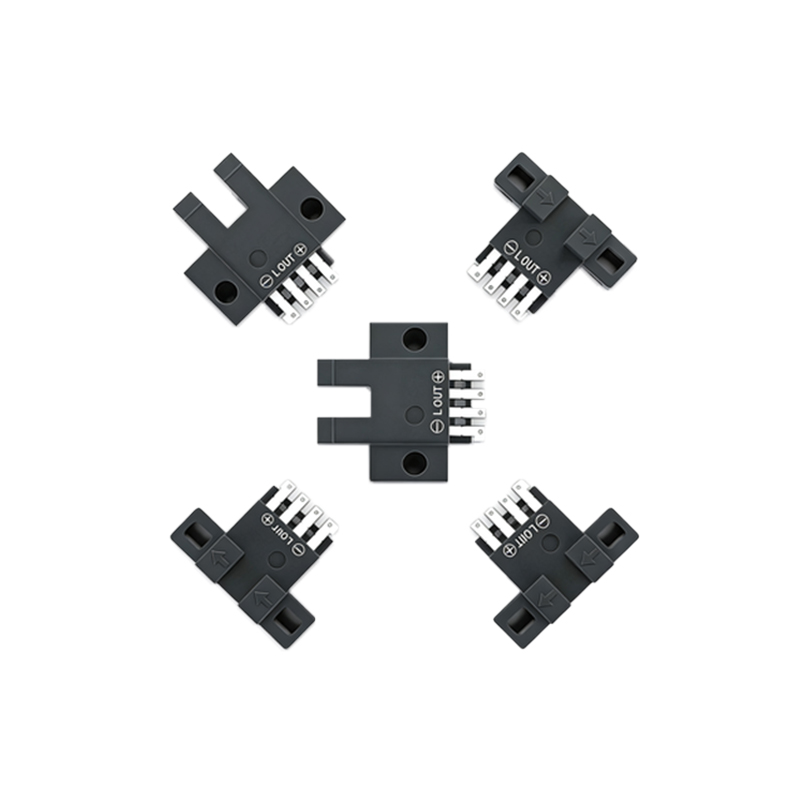
Oil contamination typically manifests in three ways: gradual signal loss, intermittent triggering, and complete failure. For through-beam sensors, oil on the emitter lens reduces light intensity reaching the receiver, while in retro-reflective types, oil on the reflector or sensor face can scatter the beam, causing erratic switching. In diffuse sensors, oil creates a reflective layer that may falsely detect targets or obscure real objects. I have observed that even a thin oil film can reduce sensing distance by up to 30%, impacting precision automation tasks.
Design Considerations for Oil-Resistant Sensors
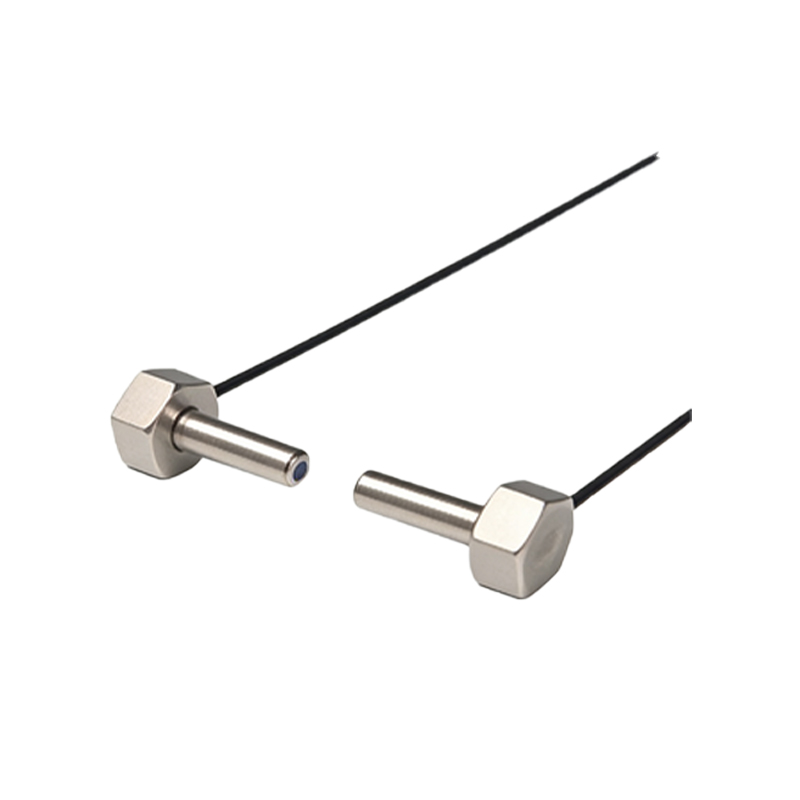
To combat oil contamination, engineers should specify sensors with IP67 or higher ingress protection, ideally with sealed optics and stainless steel housings. Some modern sensors feature anti-fouling coatings, such as Teflon or hydrophobic layers, which repel oil and facilitate cleaning. Additionally, using background suppression sensors or laser-based models can help maintain accuracy in oily conditions. For extreme environments, consider fiber optic sensors with remote heads, keeping electronics away from contamination.
Practical Maintenance and Cleaning Strategies
Preventive maintenance is key. Schedule periodic cleaning using isopropyl alcohol or specialized optical cleaners to remove oil residues without scratching the lens. Avoid abrasive cloths. In high-oil areas, install compressed air purges or wiper systems to keep sensor faces clear. I recommend logging sensor performance metrics to detect early signs of degradation. Replacing sensors with indicator lights can simplify troubleshooting, as visual feedback reveals contamination issues quickly.
Case Study: Solving Oil-Related Sensor Failures in a CNC Shop
Last year, I worked on a CNC machining line where photoelectric sensors failed weekly due to coolant oil mist. We replaced standard sensors with models rated for harsh environments and added a small air curtain to prevent oil deposition. After these changes, sensor downtime dropped by 70%. This highlights the importance of a holistic approach: combine robust hardware with environmental controls to ensure long-term reliability.