Through-beam, retro-reflective, diffuse, fiber optic, and laser photoelectric sensors are key in industrial automation. Each type suits specific detection needs, from long-range barriers to precise positioning.
Photoelectric sensors are essential components in modern industrial automation, converting light signals into electrical outputs to detect objects, distances, or material properties. They operate based on the emission and reception of light, typically using infrared, visible, or laser sources. These sensors are widely applied in manufacturing lines, packaging systems, and material handling due to their non-contact sensing capability, high speed, and reliability. Understanding the different types is crucial for selecting the right sensor for specific applications.
Through-Beam Sensors
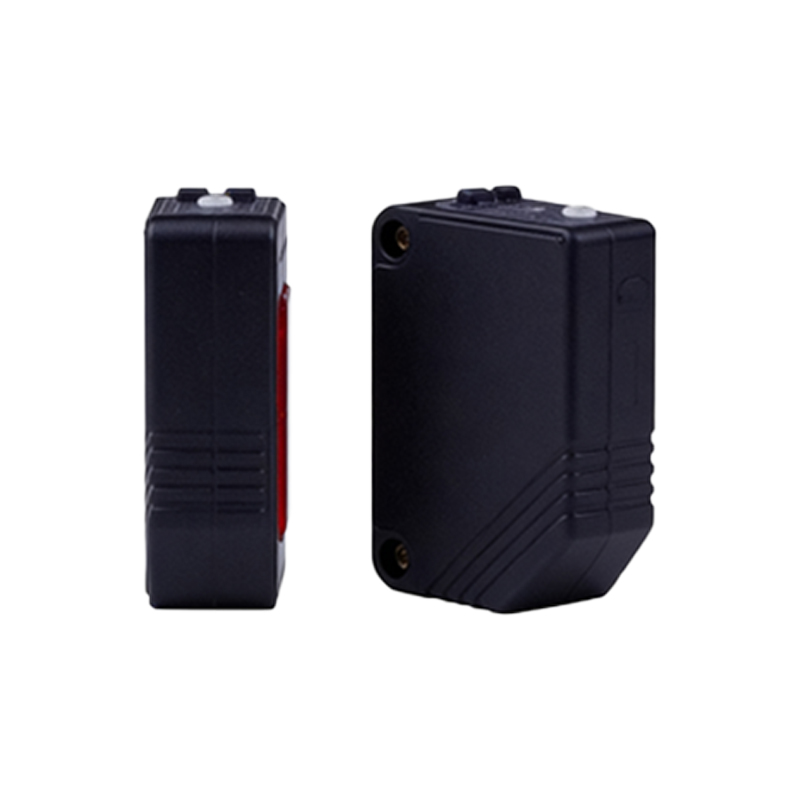
Through-beam sensors consist of a separate emitter and receiver placed opposite each other. The emitter sends a continuous light beam to the receiver. When an object interrupts this beam, the output changes, signaling detection. This configuration offers the longest sensing range, often exceeding 30 meters, and provides high immunity to ambient light and contaminants. However, it requires precise alignment and wiring for both units, making installation more complex than other types. Typical uses include security barriers, long-range presence detection, and conveyor belt monitoring.
Retro-Reflective Sensors
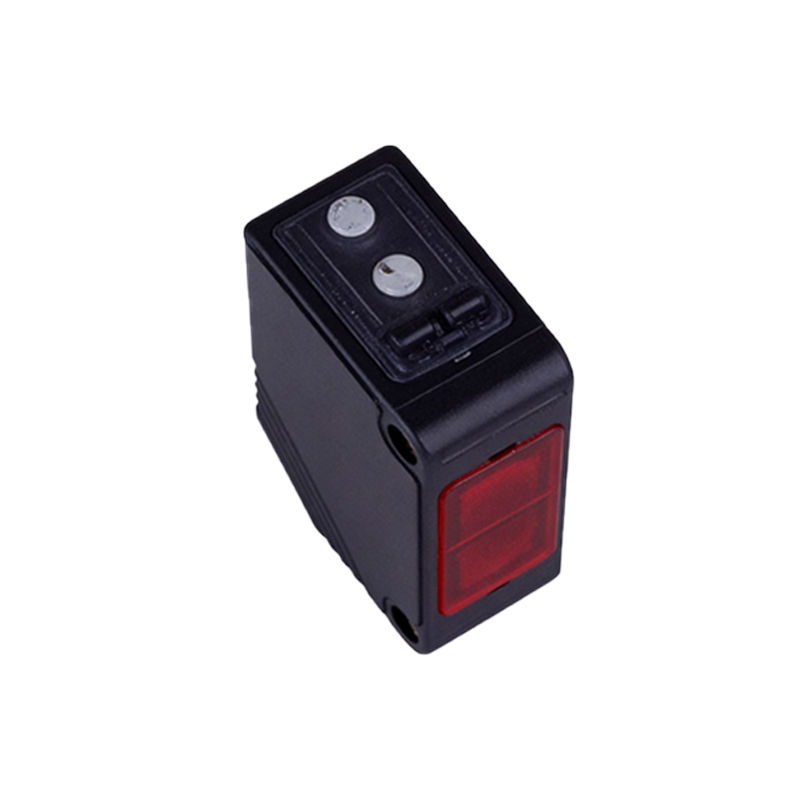
Retro-reflective sensors combine the emitter and receiver in a single housing. The emitted light is directed toward a reflector, which reflects it back to the receiver. An object is detected when it blocks the reflective path. This design simplifies wiring and alignment compared to through-beam sensors. The sensing range is moderate, usually up to 10 meters, and is influenced by reflector size and environmental dust. Variants include polarized retro-reflective sensors, which reduce false detections from shiny surfaces. They are common in doorway controls, automated storage systems, and pallet detection.
Diffuse Reflective Sensors
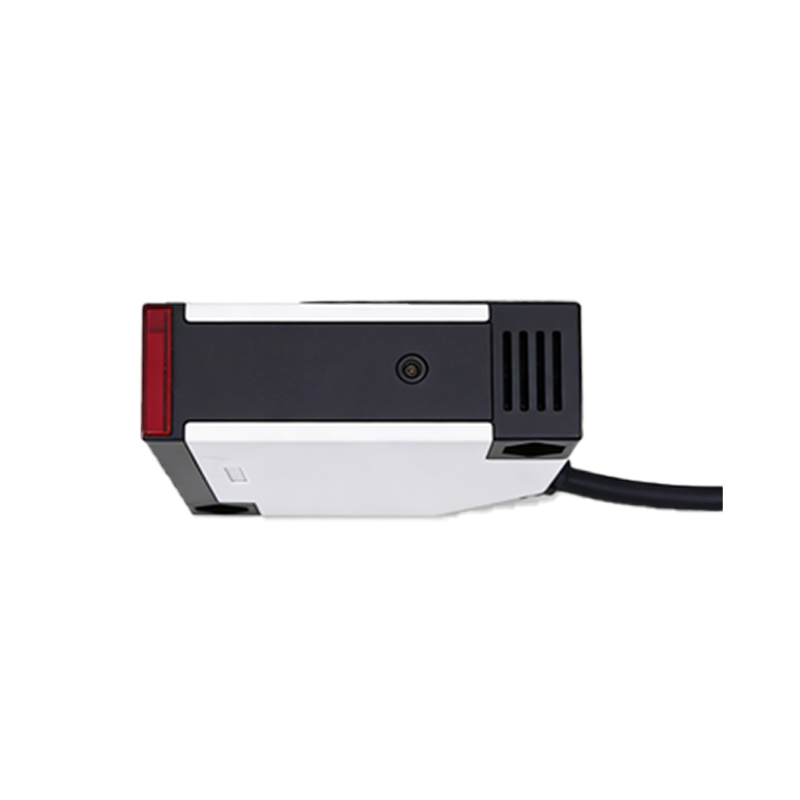
Diffuse reflective sensors, also known as proximity sensors, have the emitter and receiver in one unit. The emitted light hits a target object and scatters diffusely, with part of the reflected light returning to the receiver. Detection occurs when the reflected light is above a threshold. This type requires no separate reflector, simplifying installation. However, sensing range is shorter, typically 0.1 to 2 meters, and performance varies with object color, texture, and reflectivity. Applications include small part detection, packaging lines, and automated guided vehicle (AGV) navigation.
Fiber Optic Sensors
Fiber optic sensors use light transmitted through flexible optical fibers to and from a remote sensing head. The head can be very small and placed in tight spaces, while the main electronics remain at a distance. They consist of either through-beam or diffuse reflective fiber arrangements. Advantages include high precision, resistance to electromagnetic interference, and ability to operate in harsh environments like high temperature or explosive areas. Sensing range depends on fiber type and can reach up to 10 meters. They are ideal for detecting tiny objects, high-speed counting, and liquid level monitoring.
Laser Sensors
Laser sensors employ a laser diode as the light source, producing a narrow, highly collimated beam. This allows for extremely precise detection over long distances, often exceeding 100 meters in through-beam configurations. They are available in through-beam, retro-reflective, and diffuse reflective types. Laser sensors excel in applications requiring high accuracy, such as positioning, thickness measurement, and profiling. However, they are more expensive and require careful alignment to avoid eye safety issues in open-beam systems.
Conclusion and Selection Criteria
In practice, selecting the right photoelectric sensor involves evaluating factors such as sensing distance, environmental conditions (dust, ambient light, moisture), object characteristics (size, color, material), and installation constraints. Through-beam sensors are best for long-range, reliable detection; retro-reflective sensors offer a balance of range and ease; and diffuse reflective sensors suit short-range, contactless applications. Fiber optic and laser sensors provide specialized solutions for high-precision or harsh environments. Engineers must also consider output types (NPN, PNP, analog), response time, and compatibility with existing control systems to ensure robust performance.