Introduction to the SET Function in Photoelectric Sensors
In the realm of industrial automation, photoelectric sensors are critical components for object detection, positioning, and counting. The term "SET" on a photoelectric sensor refers to a specific operational mode or adjustment function, often related to sensitivity calibration or threshold setting. As an electrical engineer, interpreting this function correctly ensures optimal performance in applications ranging from conveyor belt monitoring to quality control in manufacturing lines. The SET feature typically allows users to define a detection point, adjusting the sensor's response to environmental factors like ambient light, target reflectivity, or background interference.
SET as Sensitivity Adjustment: The Core Principle
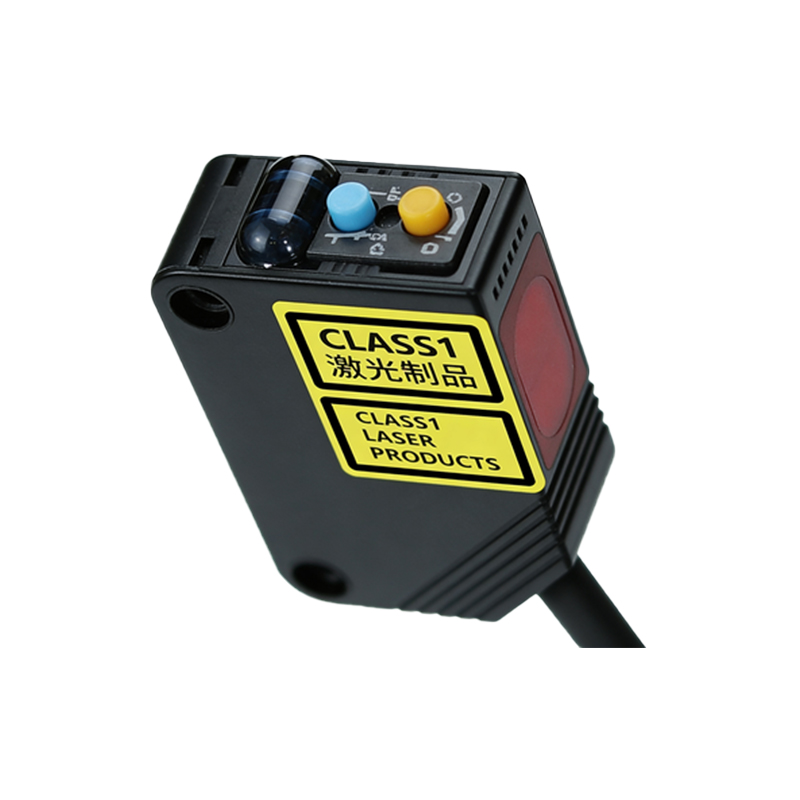
The primary meaning of SET on a photoelectric sensor is the adjustment of sensitivity or threshold level. In many sensor models, such as those from brands like Banner Engineering or SICK, the SET button initiates a teach-in process. This process enables the sensor to learn the difference between a target (object present) and a background (object absent). For example, in a diffuse reflective sensor, pressing SET while the target is in the sensing field locks the sensitivity to that specific distance or reflectivity. Engineers must ensure that the environment during SET is stable, as fluctuations in light or temperature can lead to false triggers. This is particularly crucial in high-speed production lines where consistent detection is non-negotiable.
SET in Different Sensor Types: Through-Beam, Retroreflective, and Diffuse
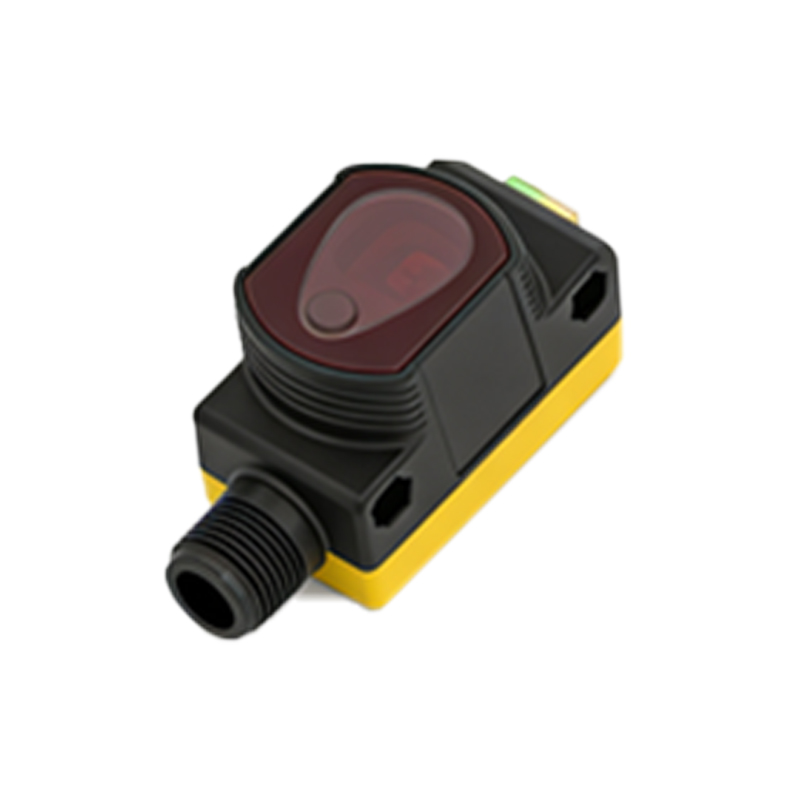
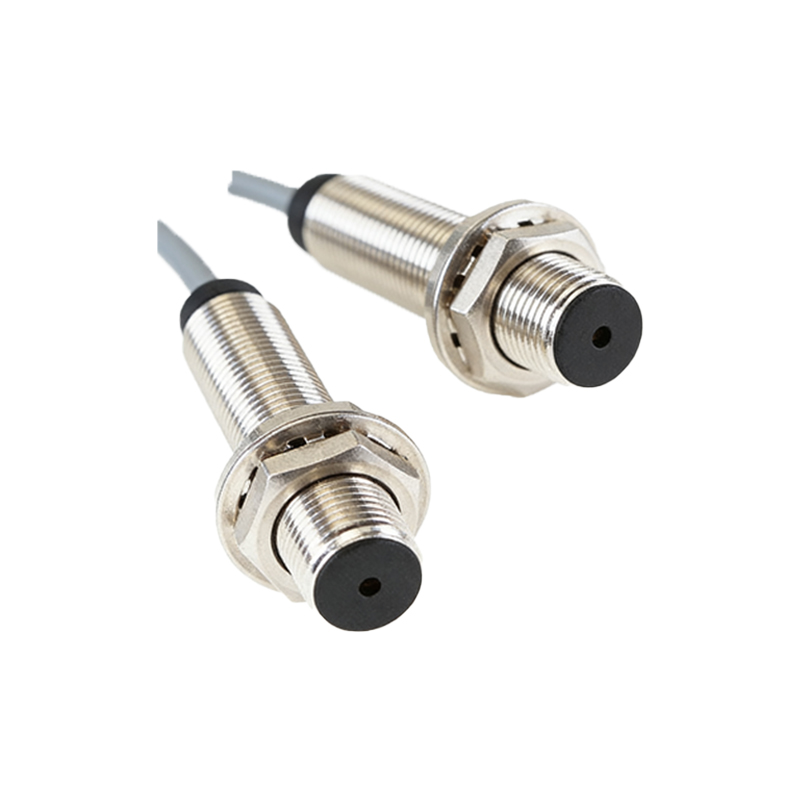
The interpretation of SET varies with sensor topology. For through-beam sensors, which consist of separate emitter and receiver units, the SET function often adjusts the output response time or hysteresis to prevent oscillation near the detection edge. In retroreflective sensors, SET may calibrate the sensor to ignore the background and focus on a specific reflective target. For diffuse sensors, SET is critical for setting the detection distance, especially when dealing with transparent or low-reflectivity objects. Engineers should consult the datasheet to understand if SET triggers a one-point or two-point teach, as the latter requires both target and background samples for precise calibration.
Practical Steps for Using the SET Function
To utilize the SET function effectively, follow these standard procedures: First, power the sensor and ensure it is mounted securely. Second, align the target object within the sensing field. Third, press and hold the SET button for a specified duration (e.g., 2-5 seconds) until the LED indicator flashes. Release the button; the sensor now stores the current condition as the detection threshold. For two-point teaching, repeat the process with the background present. After SET, verify the sensor's response by moving the target in and out of the field. If false triggers occur, recalibrate or adjust the environmental lighting. Always test under actual operating conditions, including vibration and temperature variations.
Common Mistakes and Troubleshooting
One frequent error is performing SET without considering background noise or reflective surfaces. For instance, if a target is glossy, the sensor might detect reflections from nearby machinery. Another issue is using SET in an unstable environment, such as near a window with changing sunlight. Engineers should also note that some sensors lock the SET function after a power cycle to prevent accidental changes. If a sensor fails to detect correctly after SET, check for dust on the lens, misalignment, or incorrect mounting distance. Resetting the sensor to factory defaults and retrying teach-in often resolves these issues.
Conclusion: Why SET Matters in Industrial Applications
Mastering the SET function on photoelectric sensors is essential for achieving reliable and repeatable detection in automation systems. It reduces false readings, extends sensor life by optimizing power use, and simplifies setup in complex environments. As a best practice, always document the SET parameters for future maintenance and system replication. By understanding the nuances of this feature, electrical engineers can significantly improve production efficiency and reduce downtime in manufacturing processes.