Introduction to Photoelectric Sensor Technology
Photoelectric sensor experiment instruments serve as essential tools in electrical engineering laboratories for demonstrating the principles of light-based detection systems. These instruments typically integrate a light emitter, receiver, and signal processing unit to simulate real-world industrial applications. Engineers and students utilize them to understand key concepts such as response time, ambient light interference, and object detection range. The instruments often support adjustable parameters like threshold voltage and modulation frequency, enabling hands-on experimentation with different sensor configurations.
Key Components and Measurement Capabilities
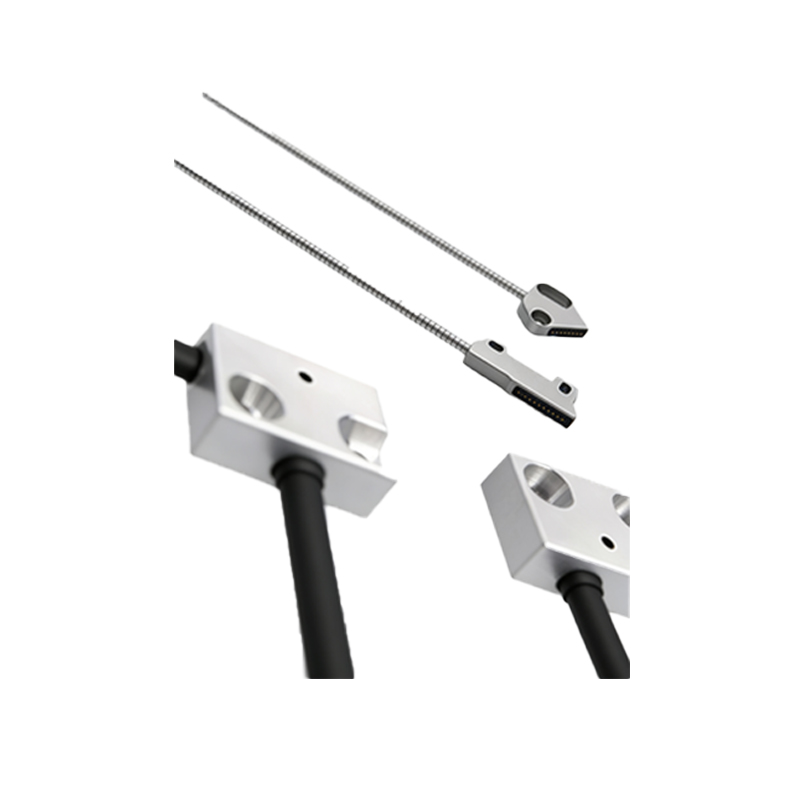
A standard photoelectric sensor experiment platform includes a high-intensity LED or laser diode as the light source, paired with a photodiode or phototransistor detector. The unit features a linear actuator for precise alignment and a digital oscilloscope interface for waveform analysis. Measurement capabilities include optical power density, signal-to-noise ratio, and response linearity under varying distances. These instruments also incorporate temperature compensation circuits to minimize drift during extended testing sessions. Advanced models offer USB connectivity for data logging and real-time plotting of sensor characteristics.
Industrial Applications and Experiment Scenarios
In industrial automation, photoelectric sensors are critical for object counting, position detection, and quality control. The experiment instrument allows users to simulate conveyor belt scenarios with adjustable speed and object size. Common tests include evaluating reflective sensor performance on different surface colors and textures, as well as through-beam sensor accuracy in dusty environments. The instrument also includes a module for testing fiber-optic extensions, which is vital for hazardous area applications. Each experiment scenario is documented in the included lab manual with step-by-step procedures for reproducible results.
Advanced Features for Research and Development
Research-grade photoelectric sensor instruments provide additional functionality such as multi-wavelength laser sources for spectral analysis and high-speed sampling rates up to 100 kHz. These features enable investigation of transient effects in high-speed automation lines or wear analysis in optical encoders. The built-in software suite includes Fourier transform tools for frequency-domain analysis of sensor noise. Engineers can customize calibration curves for non-standard targets, making these instruments suitable for prototyping new sensor designs in fields like robotics or autonomous vehicles.
Troubleshooting and Maintenance Best Practices
To ensure accurate measurements, users should regularly clean optical components with lint-free wipes and isopropyl alcohol. The instrument's firmware includes self-diagnostic routines for detecting misalignment or degradation of the emitter diode. Common issues like ambient light interference can be mitigated by using the included adjustable shield or by selecting modulated light modes. The manual provides troubleshooting tables for typical faults such as erratic readings or no detection, with solutions ranging from recalibration to replacing the receiver module. Proper storage in a dust-free cabinet extends the instrument's lifespan.
Conclusion and Future Trends
Photoelectric sensor experiment instruments remain vital for bridging theoretical knowledge with practical skills in electrical engineering. Emerging trends include integration with IoT platforms for remote experimentation and AI-based predictive maintenance simulations. As optical sensing technology evolves towards LiDAR and hyperspectral imaging, these instruments will continue to adapt, offering modular upgrade paths for educational and industrial users alike.