Introduction to Positioning Photoelectric Sensors
Positioning photoelectric sensors are critical components in modern industrial automation, enabling precise detection and location of objects without physical contact. These sensors utilize light beams to determine the presence, position, or distance of a target, making them ideal for applications in manufacturing, packaging, and material handling. Their reliability, speed, and accuracy have made them indispensable in environments where mechanical wear or contamination is a concern.
Basic Working Principle
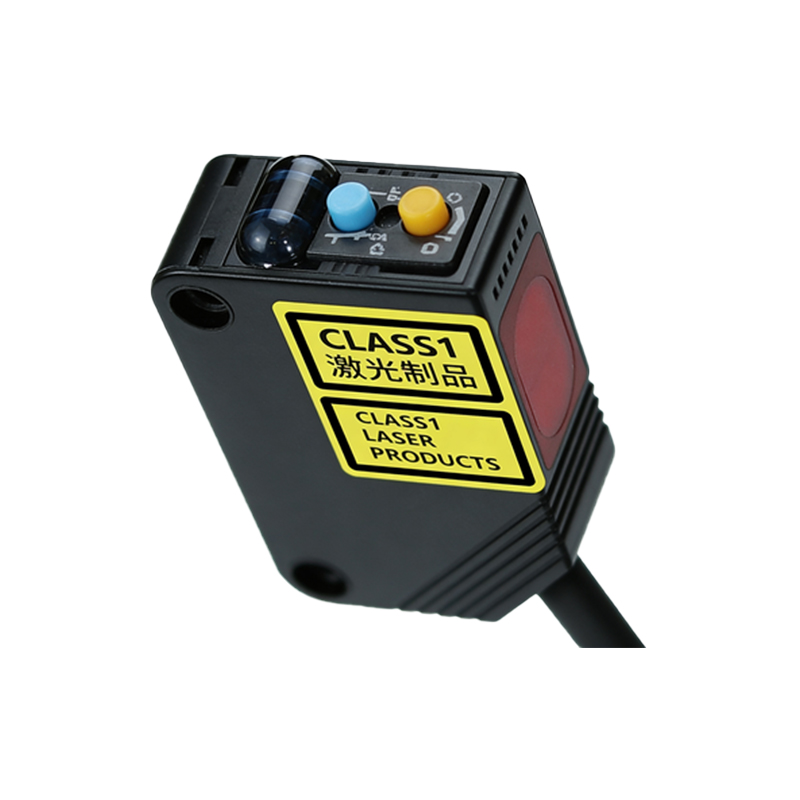
The core principle of a positioning photoelectric sensor involves transmitting a light beam from an emitter to a receiver. When an object interrupts or reflects this beam, the sensor detects a change in light intensity or phase. This change is then converted into an electrical signal, which can be used to trigger actions such as stopping a conveyor belt or sorting items. The sensor typically consists of a light source (LED or laser), a photodetector, and optics to focus the beam.
Types of Detection Modes
There are three primary detection modes: through-beam, retro-reflective, and diffuse. In through-beam mode, the emitter and receiver are separated, and an object is detected when it blocks the beam. Retro-reflective mode uses a reflector to return the beam to the receiver, with detection occurring when an object interrupts the path. Diffuse mode relies on the object itself to reflect the beam back to the sensor, making it suitable for short-range applications. Each mode offers unique advantages depending on the target's material, size, and environment.
Photoelectric Sensors for Positioning Accuracy
For precise positioning applications, sensors often employ advanced techniques such as triangulation, time-of-flight (ToF), or contrast detection. Triangulation uses an angled receiver to calculate the distance based on the reflected beam's position on a detector array. ToF measures the time it takes for light to travel to the target and back, providing high accuracy over longer ranges. Contrast detection distinguishes between light and dark surfaces, enabling alignment tasks in printing or labeling machinery.
Key Components and Signal Processing
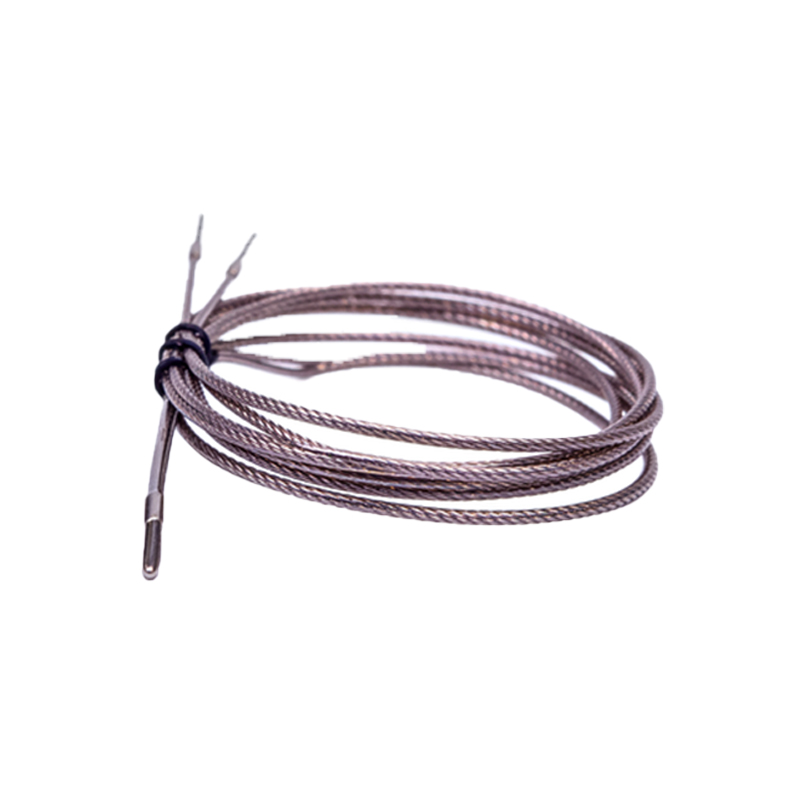
Modern positioning photoelectric sensors integrate microcontrollers for advanced signal processing, filtering out ambient light interference and noise. They also feature adjustable sensitivity, response time, and output configurations (e.g., NPN, PNP, or analog). The use of laser diodes improves beam collimation and range, while fiber optic cables allow remote sensing in confined spaces. These components ensure consistent performance in dusty, humid, or vibrating industrial settings.
Applications in Industry
Common applications include part counting, conveyor belt alignment, robotic pick-and-place guidance, and elevator door safety systems. In semiconductor manufacturing, these sensors precisely position wafers during lithography. In automotive assembly, they verify component presence and orientation. The ability to operate at high speeds (up to several kHz) makes them suitable for high-throughput production lines.
Advantages and Limitations
Key benefits include non-contact operation, long service life, and immunity to magnetic fields. However, they can be affected by reflective surfaces, transparent objects, or extreme temperatures. Selecting the correct sensor type and mounting configuration is crucial for reliable operation. Regular cleaning of optics and calibration is recommended to maintain accuracy over time.
Conclusion
Positioning photoelectric sensors are versatile tools that enhance automation efficiency through precise, non-contact detection. By understanding their operating principles and selecting the appropriate mode and components, engineers can achieve reliable performance in demanding industrial environments.