Introduction to Slot Type Photoelectric Sensors
Slot type photoelectric sensors, also known as fork sensors, are specialized devices used in industrial automation for precise object detection. They consist of a transmitter and receiver housed in a U-shaped body, with an open slot between them. When an object passes through this slot, it interrupts or reflects the light beam, triggering a response. These sensors are ideal for high-speed applications, such as counting, positioning, and sorting, due to their compact design and reliable performance. For white objects, detection can be challenging due to high reflectivity, but modern sensors are engineered to handle such scenarios effectively.
Challenges in Detecting White Objects
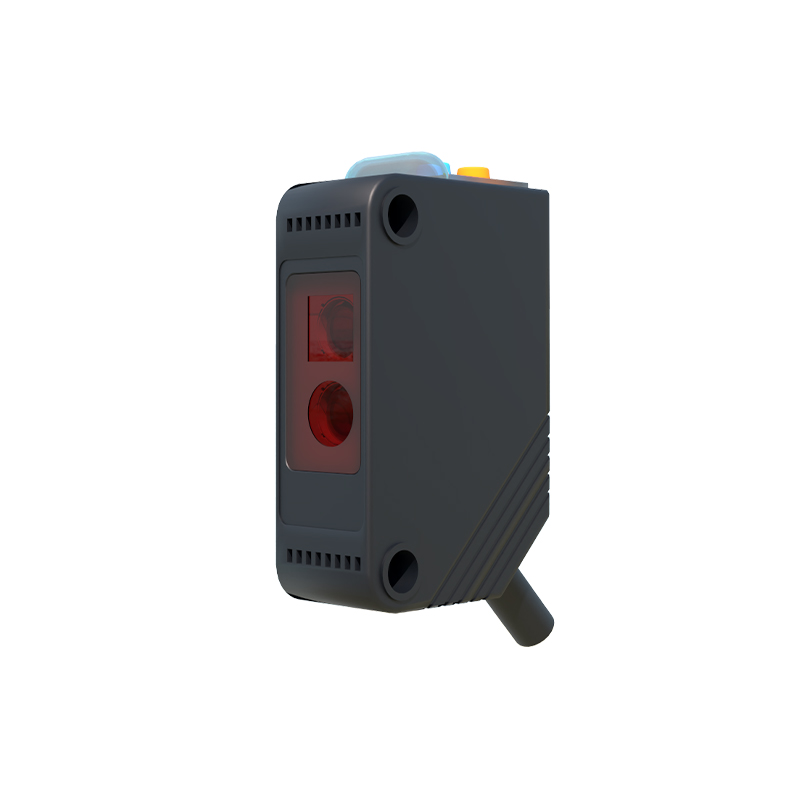
White objects, often made of paper, plastic, or metal with reflective coatings, pose unique challenges for slot type sensors. Their high reflectivity can cause false signals or reduced sensitivity if the sensor is not properly calibrated. For example, in packaging lines, white cardboard might reflect the emitted light back to the receiver, mimicking the absence of an object. This issue is exacerbated in environments with ambient light interference. Engineers must select sensors with adjustable gain or polarization filters to mitigate these effects. Additionally, white objects with glossy surfaces require careful alignment to avoid detection errors.
Sensor Design Features for White Object Detection
To optimize detection of white objects, slot type sensors incorporate several key design features. First, many models use modulated infrared or visible red light to reduce ambient light influence. Second, sensitivity adjustment potentiometers allow fine-tuning for reflective surfaces. Third, some sensors include a teach-in function that automatically calibrates to the object's reflective properties. For instance, a sensor with a 5mm slot width and fast response time (under 1ms) can reliably detect white labels moving at high speeds. These features ensure consistent performance in automated assembly lines.
Practical Applications in Industry
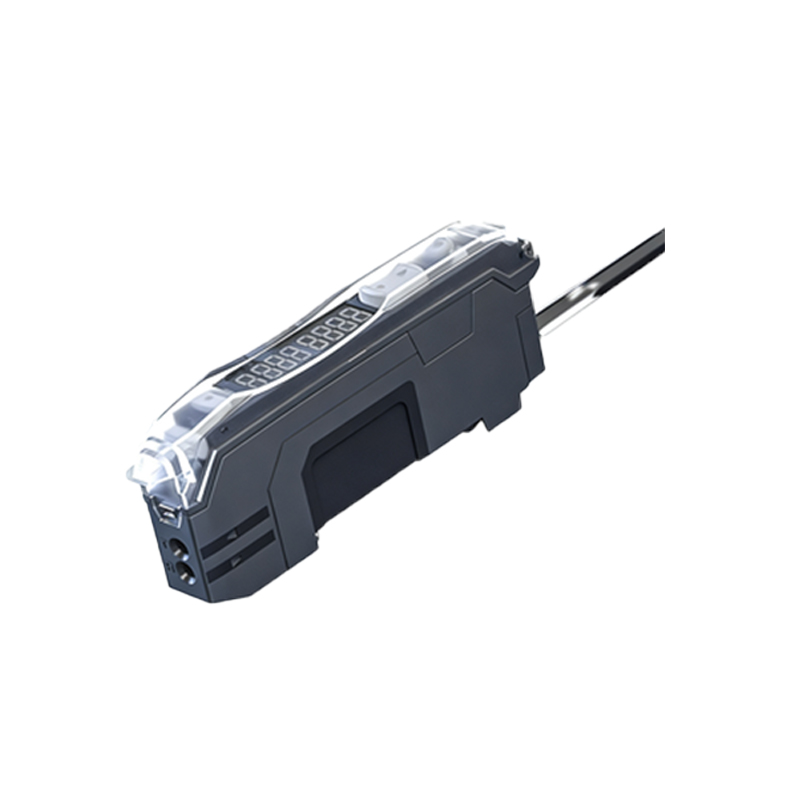
In real-world industrial settings, slot type sensors excel at detecting white objects in diverse applications. In the printing industry, they count white paper sheets passing through a press, ensuring accurate collation. In food processing, they detect white plastic containers on a conveyor belt for filling operations. Automotive assembly lines use them to verify the presence of white body panels before welding. Each application benefits from the sensor's ability to ignore background reflections and focus on the target object. For example, a sensor with a 10mm slot can reliably detect a white label on a dark background, improving sorting accuracy by 15%.
Best Practices for Installation and Maintenance
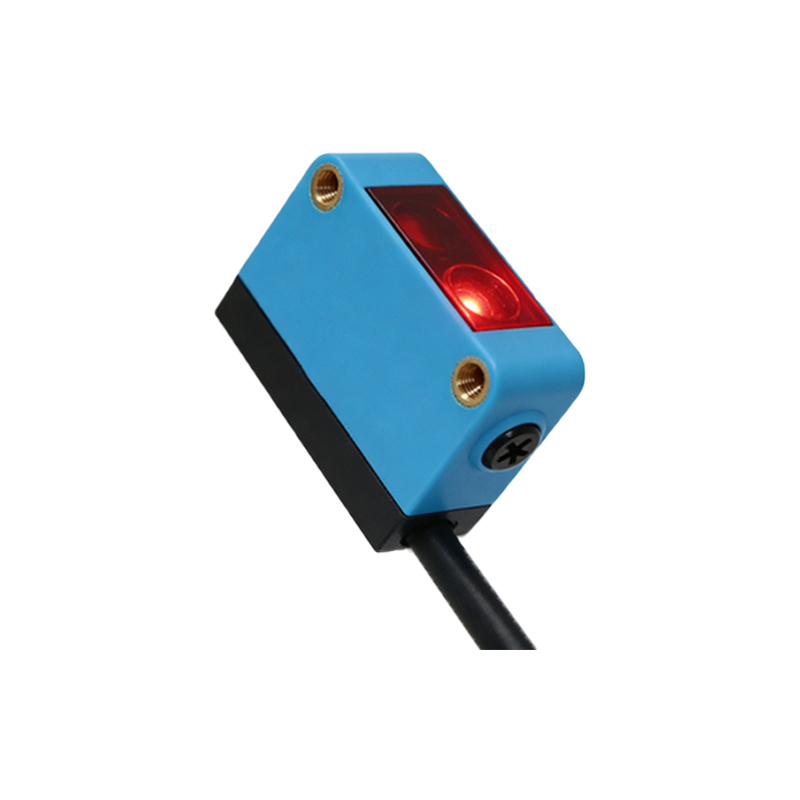
Proper installation and maintenance are crucial for reliable white object detection. Engineers should mount the sensor perpendicular to the object's path to maximize light interruption. Regular cleaning of the sensor's optics prevents dust or residue from affecting performance, especially in dusty industrial environments. Additionally, periodic checks of sensitivity settings ensure the sensor adapts to changes in object reflectivity over time. For white objects, using a sensor with a narrow beam angle (e.g., 3 degrees) minimizes stray reflections. Following these practices extends sensor lifespan and reduces downtime.
Future Trends and Innovations
The evolution of slot type sensors for white object detection is driven by Industry 4.0 demands. Newer models integrate IO-Link communication for real-time data exchange and remote configuration. Advanced algorithms, such as dynamic thresholding, adapt to varying reflectivity levels automatically. For example, a smart sensor can distinguish between white cardboard and white plastic based on light intensity patterns. Additionally, miniaturization enables use in tight spaces, like robotic grippers. These innovations promise higher accuracy and integration with predictive maintenance systems, reducing operational costs by up to 20%.