Understanding Photoelectric Sensors: A Brief Overview
Photoelectric sensors are critical components in modern industrial automation, used for detecting objects, counting products, or monitoring processes. As an electrical engineer, I often recommend starting your search by evaluating local suppliers who can offer quicker delivery, personalized support, and on-site troubleshooting. In this article, I share practical advice based on years of industry experience to help you find a trustworthy photoelectric sensor seller in your city.
Key Criteria for Evaluating Local Sellers
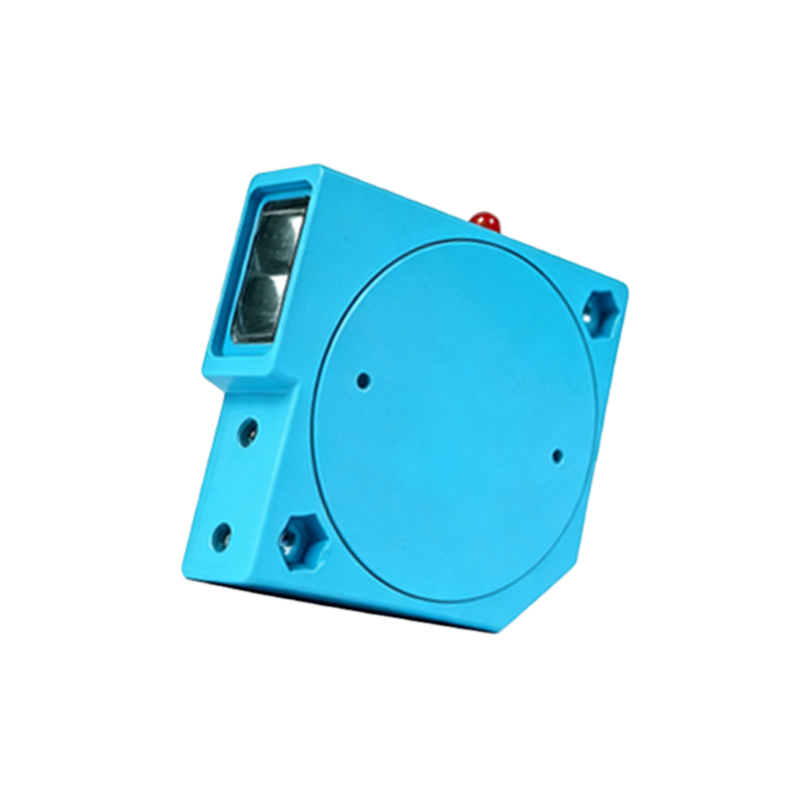
When selecting a local supplier, prioritize those with a proven track record in industrial electronics. Look for sellers who stock genuine brands like SICK, Omron, or Banner, as counterfeit or low-quality sensors can lead to frequent failures and production downtime. Additionally, verify their technical knowledge: a reputable supplier should be able to recommend the right sensor type (through-beam, retro-reflective, or diffuse) based on your specific application, such as conveyor belt monitoring or glass bottle detection.
The Importance of Local Inventory and Fast Support
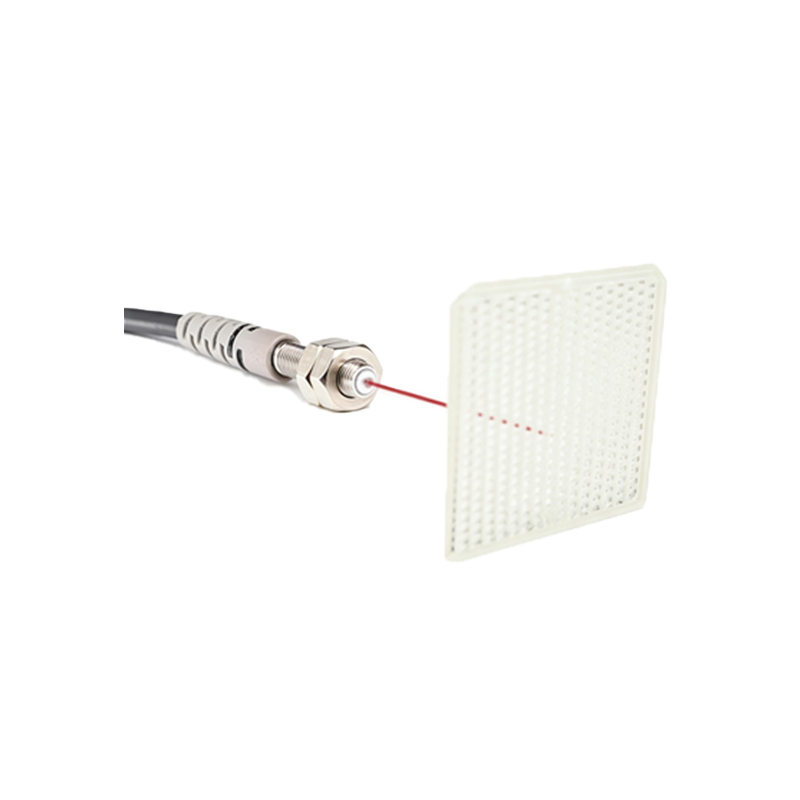
One major advantage of buying from a local seller is reduced shipping time. In emergency breakdowns, a supplier with a robust inventory in your city can deliver a sensor within hours, not days. Ask potential sellers about their stock levels for common models like M18 cylindrical or fiber optic sensors. Also, confirm if they offer calibration services or loaner units during repairs, which can significantly minimize your operational losses.
Evaluating Customer Service and Technical Expertise
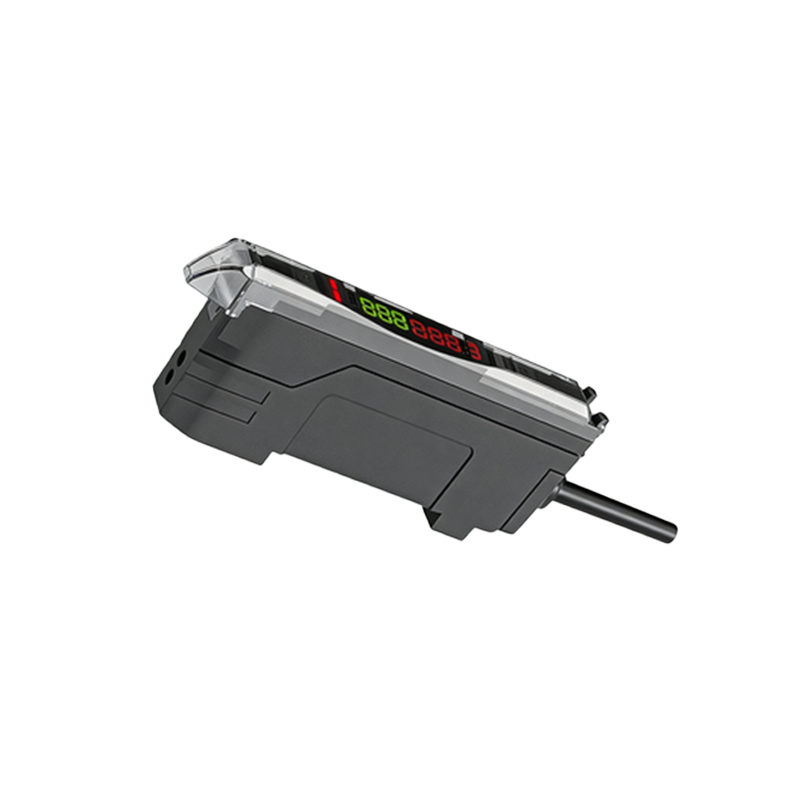
A competent local seller should provide detailed datasheets, wiring diagrams, and application notes. During a site visit, test their responsiveness by asking about sensor range, response time, or ambient light immunity. I once worked with a supplier who helped us retrofit a photoelectric sensor to handle dusty conditions using a lens air purge system—this level of customization is a hallmark of an expert partner. Always check online reviews or ask for references from other local factories.
Cost vs. Quality: Making an Informed Decision
While price is a factor, avoid the cheapest options if they compromise reliability. In the long term, a slightly pricier sensor from a trusted local seller reduces maintenance costs and unplanned stoppages. Request a warranty period (commonly 1-2 years) and clarify return policies for defective units. For high-accuracy tasks like measuring transparent objects, invest in sensors with background suppression or laser technology from a supplier who offers free initial setup assistance.
Building a Long-Term Partnership with Your Supplier
Once you find a reliable local seller, cultivate a relationship by providing feedback and sharing your production forecasts. This allows them to pre-order popular models and offer volume discounts. Many top suppliers also provide training sessions on sensor installation and troubleshooting. Remember, a good partnership goes beyond transactions—it ensures you have a technical ally ready to solve challenges in dynamic industrial environments.