Introduction to Photoelectric Sensors in Toy Cars
Photoelectric sensors are increasingly integrated into toy cars to enable autonomous navigation, obstacle detection, and interactive play. These sensors use light beams—typically infrared or visible light—to detect objects, measure distances, or trigger specific actions. In the context of toy cars, they replace traditional mechanical switches with non-contact sensing, improving durability and responsiveness. This article explores the technical principles, design considerations, and practical applications of photoelectric sensors in toy cars from an electrical engineering perspective.
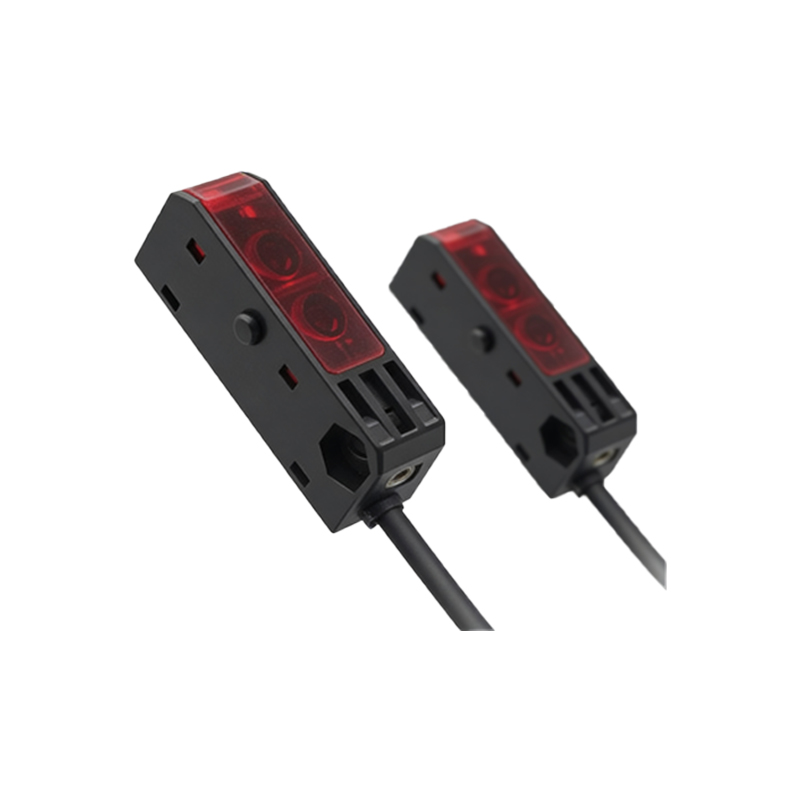
Operating Principles of Photoelectric Sensors
Photoelectric sensors operate based on three primary modes: through-beam, retro-reflective, and diffuse reflection. In through-beam mode, a separate emitter and receiver detect an object when the light path is interrupted. Retro-reflective sensors use a reflector to bounce the beam back to the receiver, while diffuse sensors rely on the object itself to reflect light. For toy cars, diffuse sensors are most common due to their compact size and simplicity, often using modulated infrared light to reduce interference from ambient lighting. The sensor outputs a digital signal (high/low) or analog voltage corresponding to the detected distance or presence.
Integration into Toy Car Control Systems
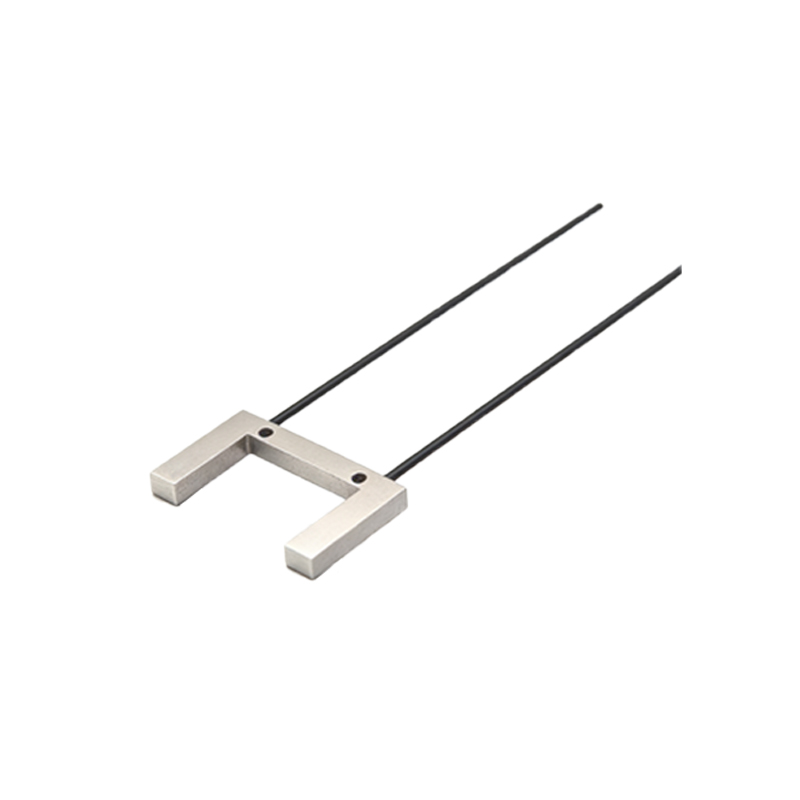
A typical toy car equipped with photoelectric sensors includes a microcontroller (MCU), motor drivers, and power management. The sensors are mounted at the front or sides to scan the environment. When an obstacle is detected within a preset threshold (e.g., 20 cm), the MCU processes the signal and commands the motor drivers to stop, reverse, or turn. This closed-loop control system ensures real-time reaction. For example, a popular implementation uses an Arduino Nano paired with a TCRT5000 reflective sensor module, which outputs an analog signal proportional to the distance. The MCU samples this signal via ADC and executes a PID algorithm for smooth obstacle avoidance.
Key Design Parameters and Considerations
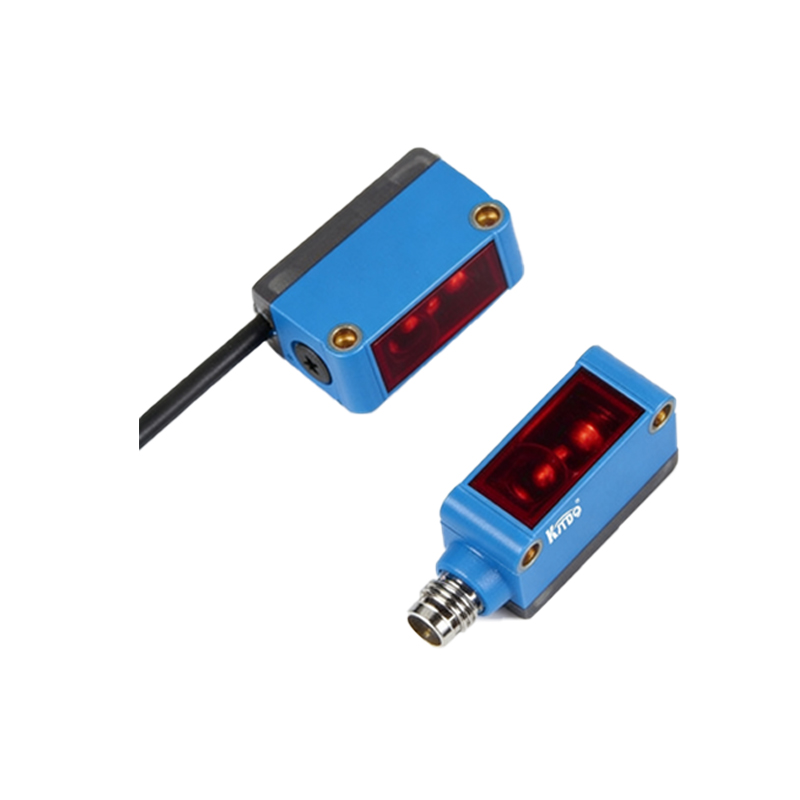
Engineers must carefully select sensor parameters to balance performance and cost. Key parameters include detection range (1–50 cm typical for toy cars), response time (under 10 ms for dynamic movement), and ambient light immunity. For outdoor use, sensors with high-frequency modulation (e.g., 38 kHz) reject sunlight and fluorescent noise. Power consumption is critical: a typical photoelectric sensor draws 10–50 mA, which impacts battery life. Designers often use sleep modes or duty-cycled operation to conserve energy. Additionally, lens materials and housing should withstand minor impacts and dust, with IP40 or higher ratings recommended.
Practical Application: Line-Following Toy Car
A classic example is a line-following toy car using two or more photoelectric sensors arranged side by side. Each sensor detects the contrast between a dark track and a light surface. The MCU reads the sensor array and adjusts the left and right motor speeds via PWM to stay on track. A common setup uses three TCRT5000 sensors spaced 15 mm apart, connected to an STM32F103 MCU. The algorithm compares sensor readings to a threshold, then applies a proportional controller to steer the car. This achieves smooth path tracking at speeds up to 0.5 m/s, demonstrating the sensor's precision and reliability.
Troubleshooting and Optimization Tips
Common issues include false triggering due to reflective surfaces, sensor drift from temperature changes, and power noise affecting analog readings. Solutions include using shielded cables, adding hysteresis in software (e.g., Schmitt trigger logic), and calibrating thresholds during startup. For multi-sensor setups, engineers should use a median filter to reject outliers. If the toy car operates on carpets or uneven terrain, mounting sensors with adjustable angles or using a gimbal mechanism improves consistency. Finally, periodic testing with a known reference target ensures long-term accuracy.
Future Trends in Photoelectric Sensor Toy Cars
Advancements in miniaturization and low-power electronics are enabling smarter toy cars with multiple photoelectric sensors for 360-degree awareness. Emerging technologies include time-of-flight (ToF) sensors for precise distance measurement and color-sensing variants for object classification. Integration with wireless modules (e.g., Bluetooth or Wi-Fi) allows real-time data logging for educational STEM kits. As costs drop, we can expect photoelectric sensors to become standard in mid-tier toy cars, offering children an interactive and educational play experience that introduces basic robotics and sensor fusion concepts.