Introduction to Infrared Photoelectric Sensors
Infrared photoelectric sensors are non-contact devices that use infrared light to detect the presence, absence, or position of objects. These sensors consist of an emitter and a receiver, operating on the principle of light interruption or reflection. In industrial environments, they are valued for their reliability, long sensing range, and immunity to ambient light interference, making them ideal for harsh conditions such as dusty factories or high-temperature zones.
Object Detection and Counting in Conveyor Systems
One of the most widespread applications is object detection on conveyor belts. In manufacturing lines, infrared photoelectric sensors are installed to detect products as they move along the line. When a product interrupts the infrared beam, the sensor sends a signal to a PLC or counter, enabling precise automated counting, sorting, or quality control. For example, in a bottling plant, these sensors ensure bottles are correctly positioned before filling, and they trigger rejection mechanisms for misaligned items. The through-beam type offers high accuracy for transparent or small objects, while retro-reflective sensors are preferred for larger items with irregular shapes.
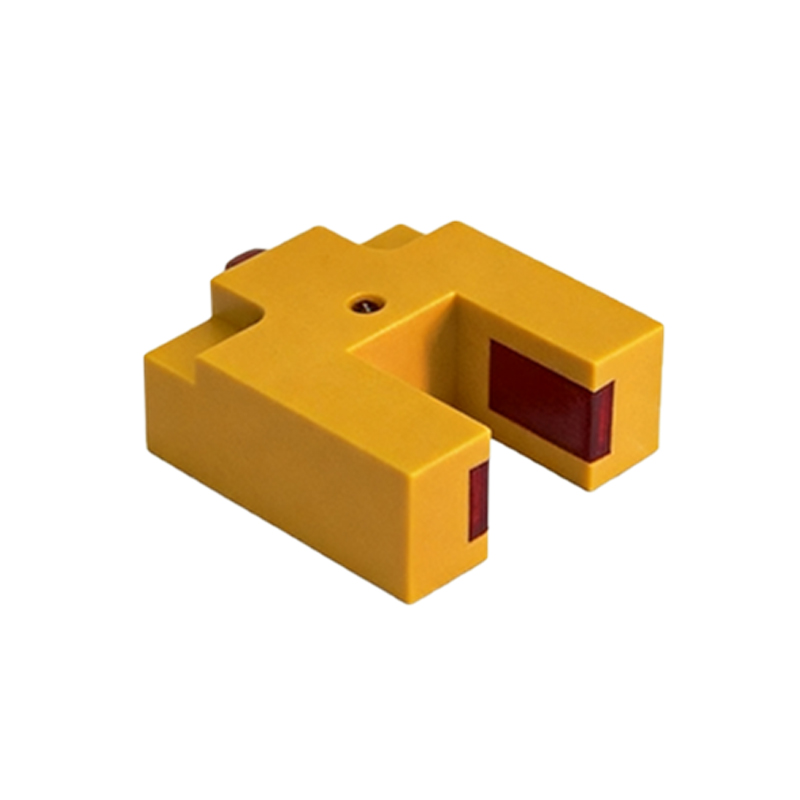
Positioning and Alignment in Robotic Systems
Infrared sensors play a crucial role in robotic arms and automated guided vehicles (AGVs) for positioning and alignment. By mounting sensors on robot grippers, engineers can detect the exact distance to a target or verify the presence of a component before assembly. For instance, in automotive manufacturing, an infrared sensor on a welding robot ensures the tool is correctly aligned with the chassis joint, reducing errors and improving cycle time. Diffuse-reflective sensors, which rely on the reflected light from the object, are commonly used here due to their flexibility in detecting varying surfaces.
Safety and Machine Guarding Applications
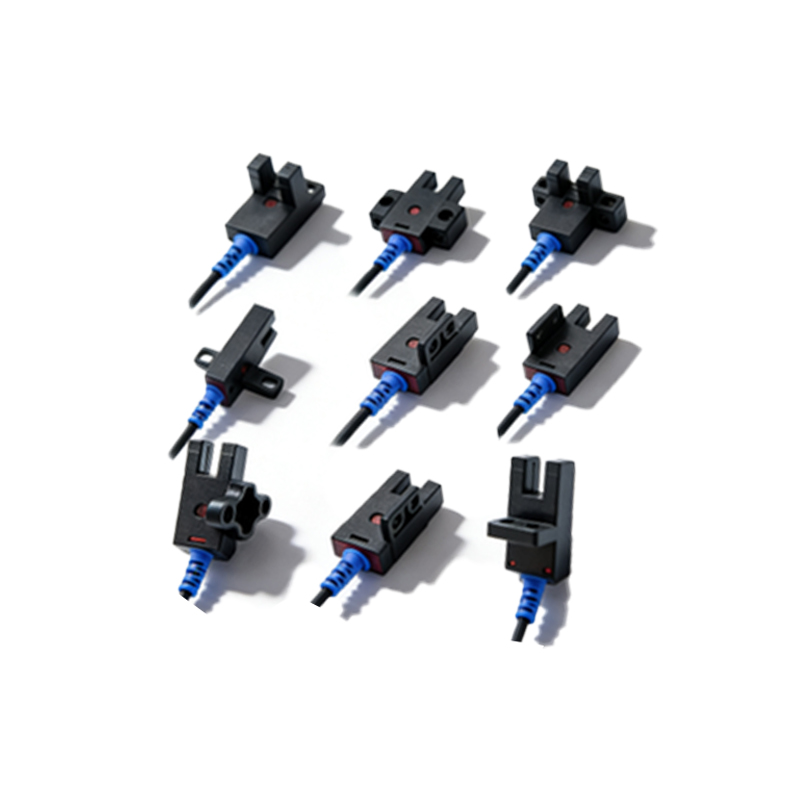
In industrial safety, infrared photoelectric sensors are integral to machine guarding systems. They create invisible light curtains around hazardous machinery, such as presses or cutting tools. If an operator’s hand or body part interrupts the beam, the sensor triggers an immediate machine stop, preventing accidents. These sensors comply with safety standards like ISO 13849 and are often paired with redundant logic controllers. The use of multiple sensor pairs ensures robust coverage, even in environments with vibrations or flying debris.
Level Sensing in Liquid and Bulk Materials
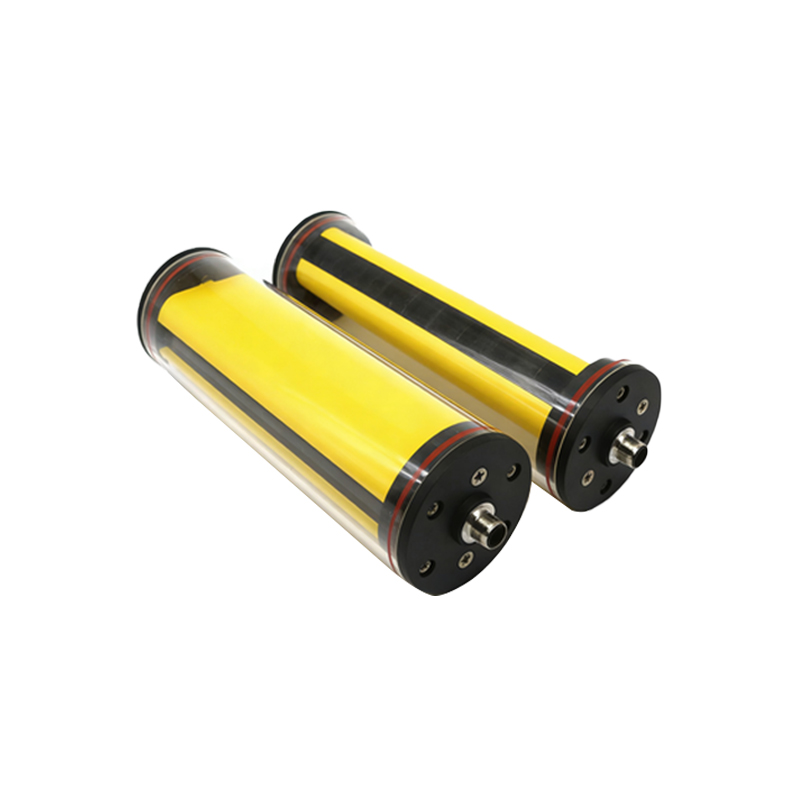
Infrared sensors are also employed for level detection in tanks, hoppers, and silos. For liquid level control, an infrared beam is directed at the liquid surface; when the liquid reaches a certain height, it changes the reflection pattern, signaling a high or low alarm. In bulk material handling—such as grain, cement, or pellets—sensors mounted on the side of a hopper detect material presence, preventing overflow or starvation. This application benefits from the sensor’s ability to operate in opaque or dusty conditions where ultrasonic sensors might fail.
Environmental and Process Monitoring
Beyond direct object detection, infrared photoelectric sensors are used for environmental monitoring in clean rooms or hazardous areas. For instance, they can detect smoke particles in ventilation ducts by measuring light scattering, aiding early fire detection. In chemical plants, explosion-proof models monitor the flow of transparent gases or liquids in pipelines without physical contact. Additionally, temperature-sensitive infrared variants can detect hot spots in electrical panels, alerting maintenance teams to potential failures.
Conclusion and Future Trends
Infrared photoelectric sensors remain a cornerstone of industrial automation due to their versatility, durability, and cost-effectiveness. As Industry 4.0 advances, these sensors are being integrated with IoT platforms for real-time data analytics and predictive maintenance. Future developments include miniaturized sensors for micro-robotics, enhanced sensitivity for transparent materials, and wireless communication for flexible deployment. Engineers should consider factors like sensing range, environmental conditions, and object reflectivity when selecting sensors for specific applications.