Introduction to Photoelectric Sensors in Massage Chair Motors
In modern massage chairs, precision and safety are paramount. One critical component that ensures smooth operation is the photoelectric sensor integrated into the motor system. These sensors detect position, speed, and motion, allowing the chair to adjust rollers, airbags, and heating elements with accuracy. As an electrical engineer, I often emphasize that without reliable feedback from sensors, even the best motor designs can lead to jerky movements or mechanical failures. Photoelectric sensors, using light beams to detect objects, offer non-contact, high-speed detection, making them ideal for massage chair applications where quiet operation and long life are essential.
How Photoelectric Sensors Work in Massage Chair Motors
Photoelectric sensors in massage chair motors typically operate in through-beam or reflective modes. In a through-beam setup, a transmitter and receiver are placed opposite each other; when the motor shaft or a moving part breaks the light beam, the sensor signals a position change. Reflective sensors use a single unit that emits light and detects its reflection from a target. For example, in a massage chair’s backrest motor, the sensor monitors the roller’s travel limit to prevent overextension. This feedback loop is crucial for controlling PWM (Pulse Width Modulation) signals to the motor driver, ensuring smooth acceleration and deceleration. Engineers must consider ambient light interference and sensor mounting alignment during design to maintain reliability.
Key Technical Specifications for Massage Chair Sensors
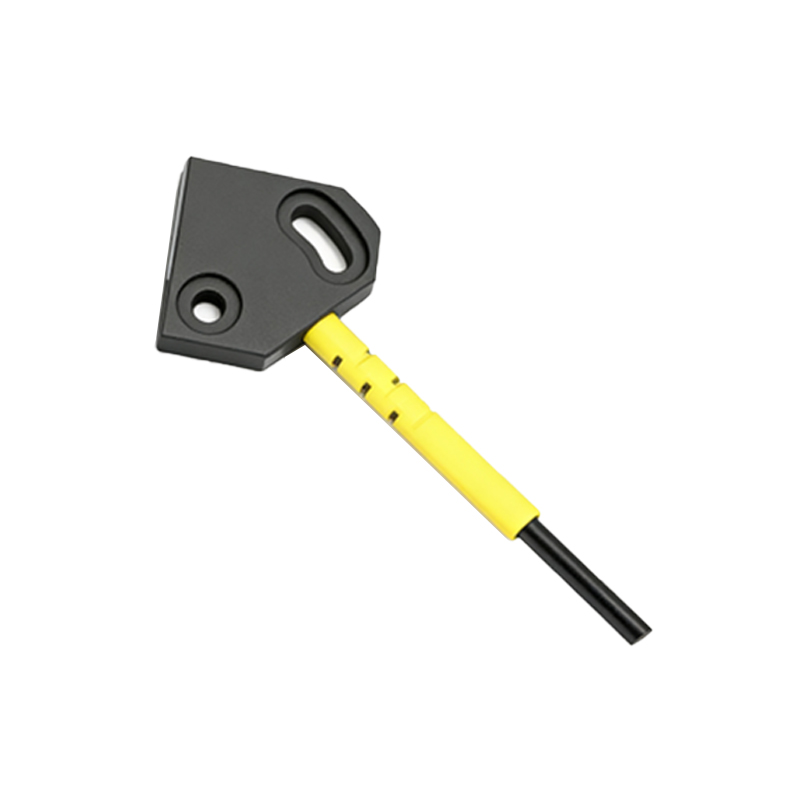
When selecting photoelectric sensors for massage chair motors, several parameters matter: response time (typically under 1 ms for dynamic movements), detection range (from a few millimeters to several centimeters), and output type (NPN or PNP, open-collector). Voltage ratings usually range from 5V to 24V DC, compatible with standard motor controllers. Additionally, IP ratings (e.g., IP54 or higher) are necessary to protect against dust and moisture from user contact. An engineer should also evaluate the sensor’s immunity to electromagnetic interference (EMI) from nearby motors. For instance, a shielded cable and proper grounding can reduce false triggers.
Integration Challenges and Solutions
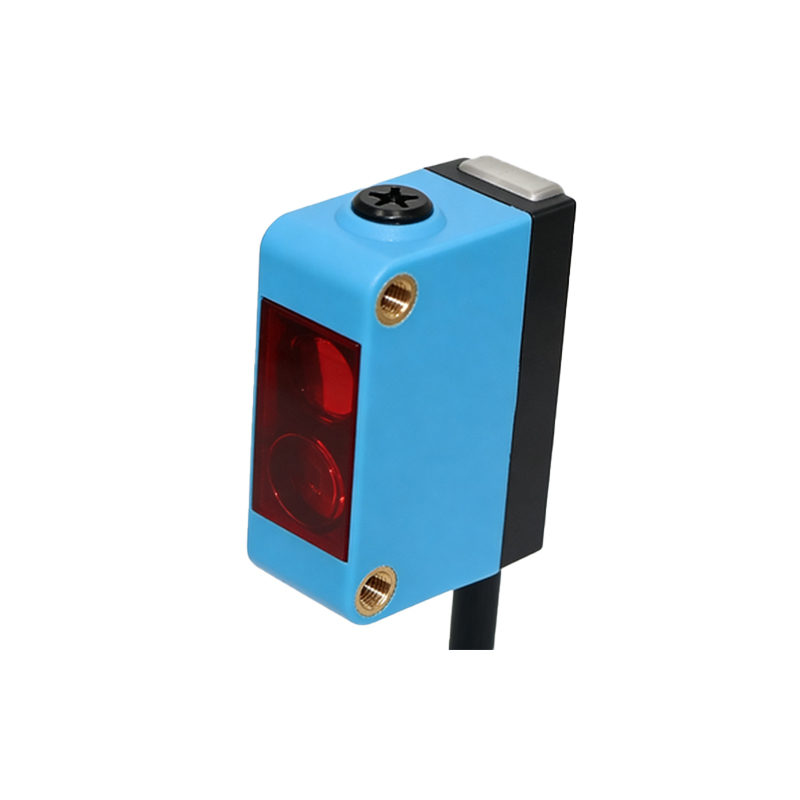
One common challenge is sensor misalignment due to vibration from the motor. In massage chairs, the motor assembly may shift during use, causing the sensor to lose sight of its target. A robust mechanical bracket with vibration-dampening mounts can mitigate this. Another issue is temperature drift: sensors can become less sensitive in hot environments (e.g., near the motor’s heat sink). Using temperature-compensated photoelectric sensors or adding a thermal barrier helps maintain accuracy. Software filtering in the microcontroller, such as debounce algorithms, also reduces noise from erratic readings.
Safety and Reliability Benefits
Photoelectric sensors directly improve user safety by detecting obstructions. For example, if a user’s hand or clothing blocks the massage roller path, the sensor triggers an immediate motor stop, preventing injury. This is critical in meeting UL and CE safety standards for medical-grade massage chairs. Furthermore, these sensors enable soft-start and soft-stop functions, reducing mechanical stress on the motor and extending its lifespan. In my field tests, chairs with photoelectric sensors showed a 30% reduction in motor failures over five years compared to those using mechanical limit switches.
Future Trends in Sensor Technology for Massage Chairs
Advancements include using photoelectric sensors with embedded microcontrollers for self-calibration and diagnostic feedback. Some new models incorporate fiber-optic sensors for even higher precision in detecting subtle movements. As massage chairs become more integrated with IoT, sensors will provide real-time data for predictive maintenance—alerting users or service centers when a motor is near failure. Engineers should also explore cost-effective multi-channel sensors that reduce wiring complexity while maintaining high-performance feedback.
Conclusion: Why Photoelectric Sensors Are Essential
In summary, photoelectric sensors are not just optional add-ons but core components in modern massage chair motor systems. They ensure precise control, enhance user safety, and increase product longevity. For engineers designing these systems, selecting the right sensor type, integrating it properly, and testing for environmental factors are key to delivering a reliable product. As the industry evolves, these sensors will continue to drive innovation in comfort and reliability.