Understanding the Factors Influencing Installation Cost
The cost of installing a photoelectric sensor varies significantly based on several key factors. As an electrical engineer with over a decade of experience in industrial automation, I can confirm that the base price for a standard photoelectric sensor unit ranges from $20 to $200, but the installation cost can escalate to $500 or more per sensor. Primary cost drivers include sensor type (through-beam, retro-reflective, or diffuse), required wiring complexity, and environmental conditions. For example, installing a retro-reflective sensor in a clean, accessible location may cost $200 for labor and materials, while a through-beam sensor in a harsh, high-temperature environment can exceed $800 due to specialized cabling and protective housing.
Labor Costs and Hourly Rates
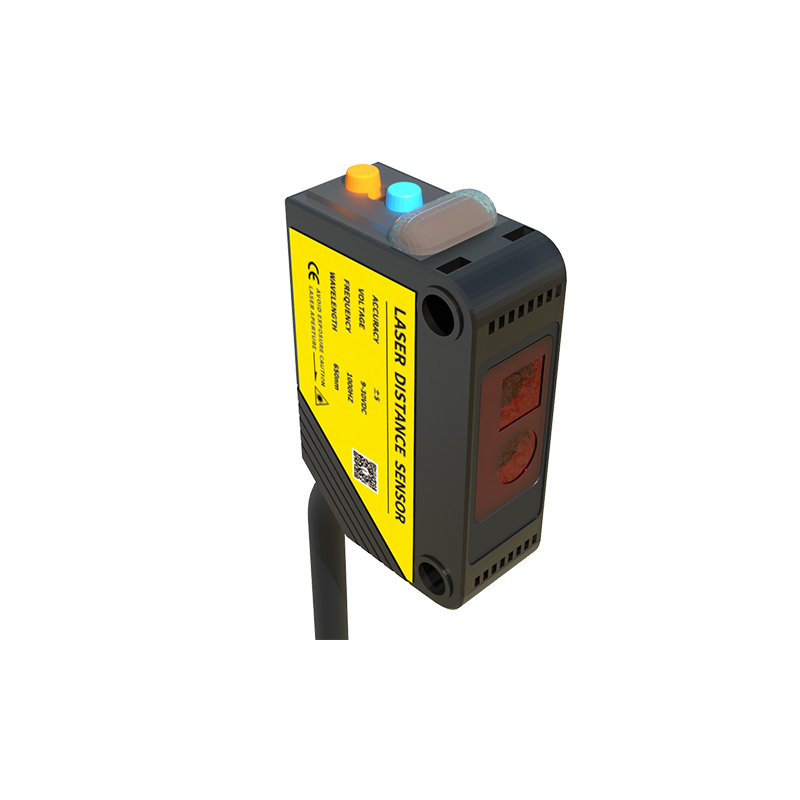
Labor constitutes the largest portion of installation expenses. In the United States, industrial electricians charge between $75 and $150 per hour, depending on regional rates and project urgency. For a typical photoelectric sensor installation, expect 2 to 4 hours of labor for wiring, mounting, and calibration. If the installation requires additional controls integration, such as connecting to a PLC or SCADA system, add 1 to 3 more hours. For instance, in a Midwest automotive plant, a single through-beam sensor installation cost $450 in labor, including testing and safety compliance checks. Always request a detailed quote that breaks down labor by task.
Material Costs for Mounting and Wiring
Beyond the sensor itself, material costs include mounting brackets, conduit, cables, and connectors. A standard stainless steel bracket costs $15 to $40, while flexible conduit can add $20 to $60 per 10-foot run. For outdoor or washdown environments, IP67-rated connectors and cables increase costs by 30% to 50%. In a recent project for a food processing facility, the material overhead for two retro-reflective sensors totaled $180, including UV-resistant cables and explosion-proof junction boxes. Always budget 10% to 20% extra for unforeseen material needs, such as longer cables than initially estimated.
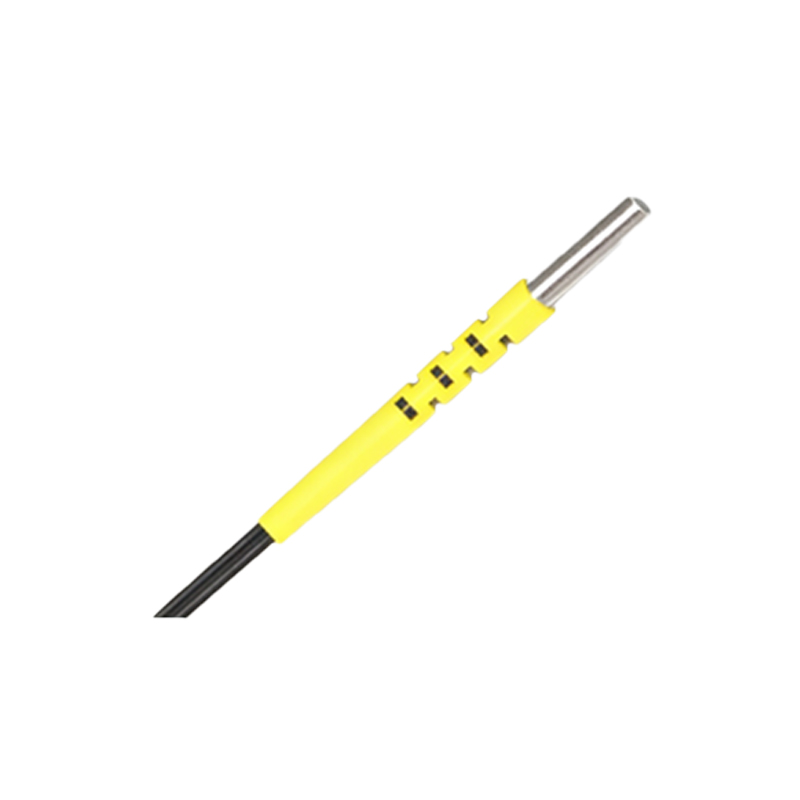
Special Considerations for Harsh Environments
Installations in hazardous locations, such as chemical plants or grain elevators, demand explosion-proof enclosures and intrinsically safe wiring. These upgrades can double or triple total costs. For example, a Class I Division 1 rated sensor installation may require a $400 explosion-proof housing and $300 in specialized cables. Additionally, high-temperature environments (above 70°C) need thermal-resistant sensors, adding $100 to $250 to the sensor price. One client in a steel mill spent $1,200 installing a single through-beam sensor due to heat-shielding and remote mounting requirements.
Cost Comparison: DIY vs. Professional Installation
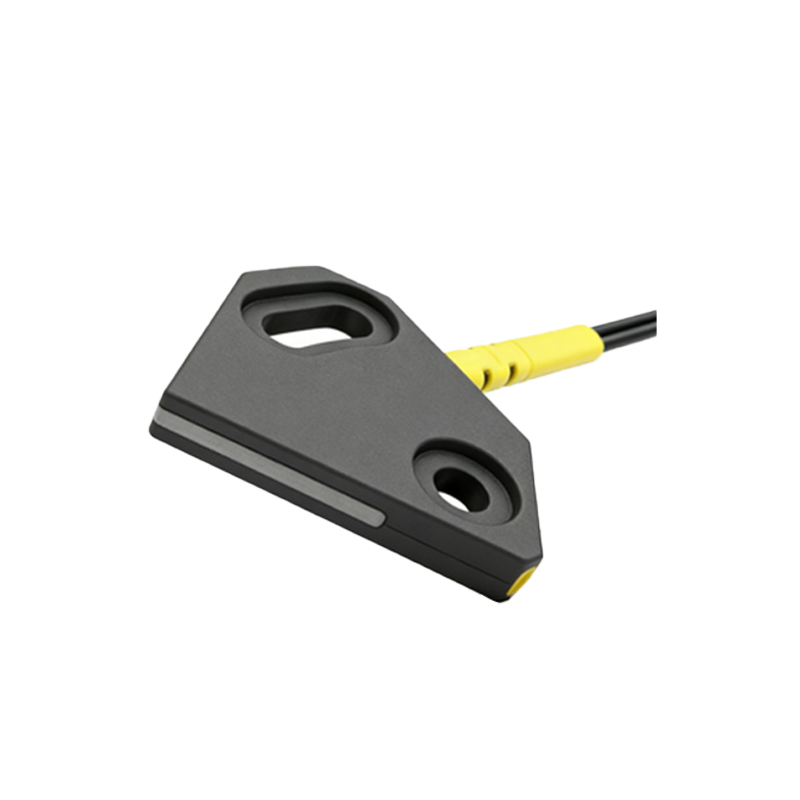
While some small-scale installations can be handled by in-house maintenance teams, professional installation ensures compliance with electrical codes and optimal sensor alignment. DIY costs may be as low as $50 for basic wiring, but errors can lead to downtime costing thousands per hour. A professional installation guarantees a 1 to 2 year warranty on labor and proper calibration. For a packaging line upgrade, an in-house team saved $300 on labor but caused a misalignment that required a $200 service call two weeks later. For critical applications, professional installation is the cost-effective choice.
Regional Variations and Hidden Fees
Installation costs vary by region. In urban areas like New York or San Francisco, hourly rates can exceed $200, while rural areas in the Midwest may be $80. Hidden fees to watch for include travel charges (often $50 to $100 per trip), emergency call-out premiums (1.5x to 2x standard rates), and disposal fees for old equipment. A recent quote for a sensor in a Chicago warehouse included a $75 travel fee and $50 for recycling the old unit. Always ask for a written estimate that includes all potential additional charges.
Case Study: Typical Installation Cost Breakdown
To illustrate, consider a mid-sized manufacturing facility installing 10 diffuse photoelectric sensors on a conveyor line. The breakdown: Sensor units ($1,200), mounting brackets and hardware ($200), cabling and conduit ($300), labor (10 hours at $100/hour = $1,000), and calibration/testing ($200). Total: $2,900, or $290 per sensor. If the facility had chosen through-beam sensors, costs would rise to approximately $4,500 due to higher sensor prices and more complex alignment. This real-world example shows that careful planning can reduce costs by 20% to 30%.
How to Get Accurate Quotes
To obtain precise installation cost estimates, provide potential vendors with a detailed site survey, including sensor type, mounting location, power source proximity, and environmental conditions. Request itemized quotes that separate sensor cost, materials, labor, and any compliance certifications. Compare at least three quotes from licensed industrial electricians. For a recent project in a Texas refinery, obtaining three quotes revealed a $600 difference for the same sensor type, with the winning quote offering a 2-year warranty. Use this approach to ensure you pay a fair price for quality work.