Overview of E3ZG and E3Z Series
The E3ZG and E3Z series from Omron are widely used in industrial automation for non-contact detection. Both are photoelectric sensors, but they target different application environments. The E3Z is a standard, compact sensor designed for general-purpose use, while the E3ZG is a reinforced version with enhanced durability, particularly for harsh conditions such as high-pressure washdowns or corrosive environments. Understanding their structural and functional differences is critical for selecting the right sensor for your application.
Environmental Protection and Housing
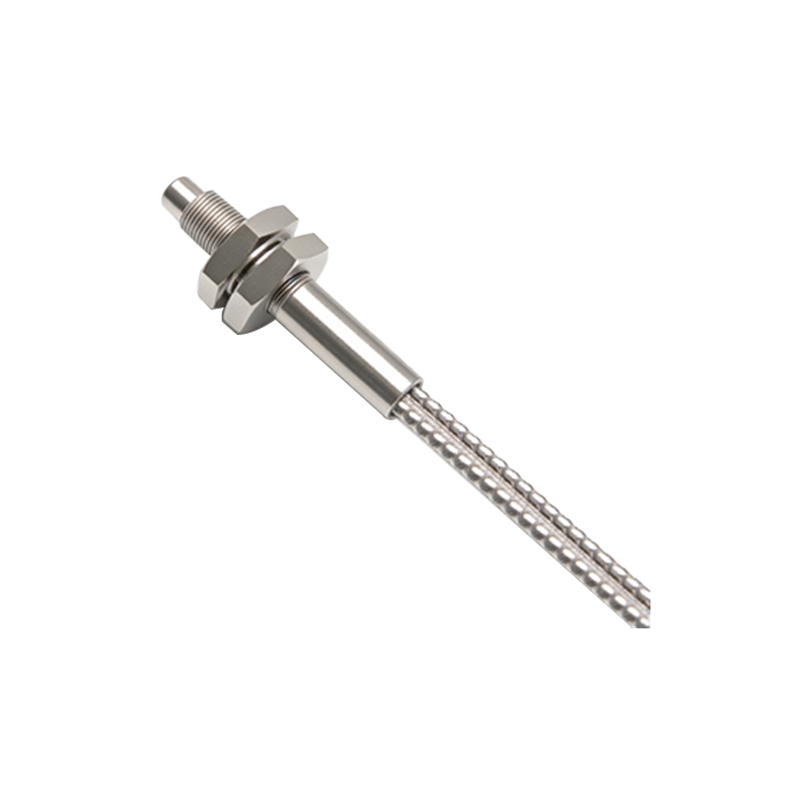
The most prominent distinction lies in their protection ratings and housing materials. The E3Z series typically offers IP67 protection, suitable for dust and temporary water immersion. In contrast, the E3ZG series achieves IP69K protection, meaning it can withstand high-temperature, high-pressure water jets (up to 100 bar at 80°C). The E3ZG uses a stainless steel housing (SUS316L) and a special lens cover, making it ideal for food processing, beverage lines, and pharmaceutical industries where frequent sanitation is mandatory. The E3Z, with its plastic or nickel-plated brass housing, is better suited for lighter industrial settings like packaging or material handling.
Detection Performance and Sensing Modes
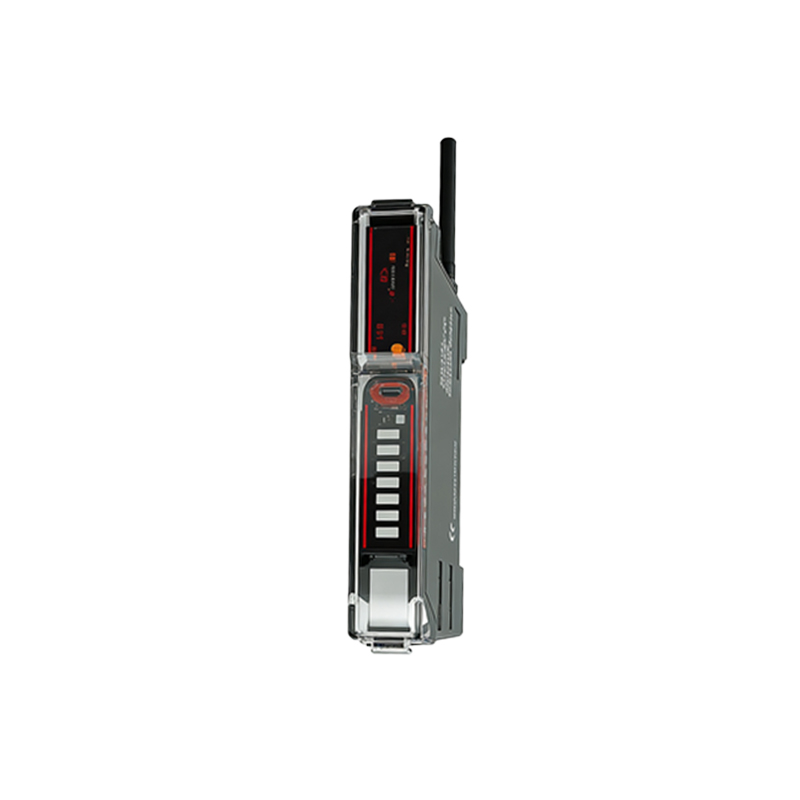
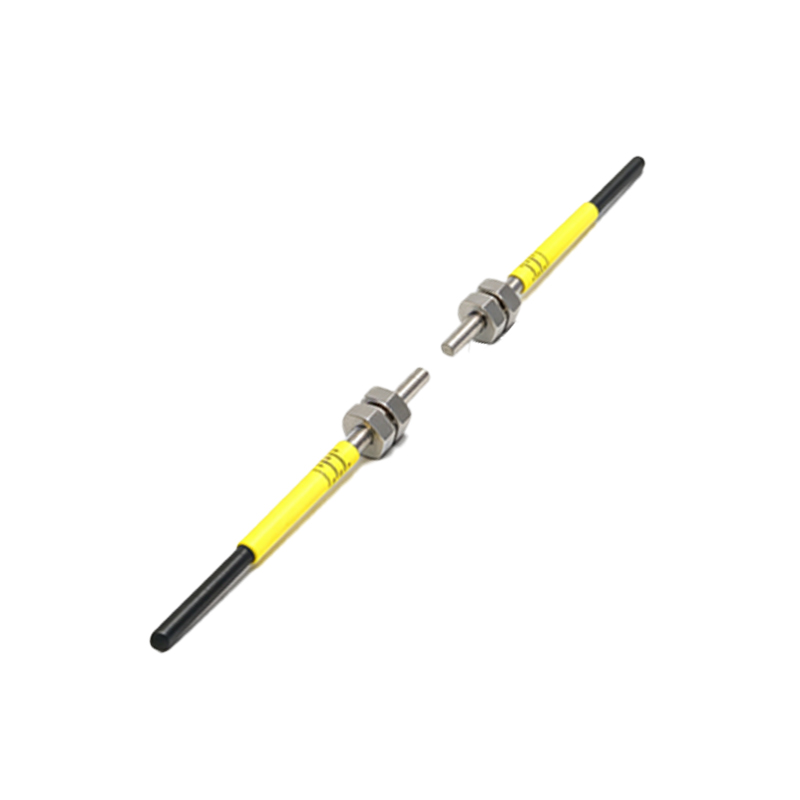
Both series support through-beam, retro-reflective, and diffuse reflective modes, but the E3ZG offers extended sensing distances and higher stability in wet or steamy conditions. For example, the E3ZG through-beam model can achieve up to 30 meters detection range, while the standard E3Z ranges around 20 meters. The E3ZG also features a built-in anti-fogging design for the lens, preventing condensation from affecting detection accuracy. The E3Z relies on standard optics, which may degrade in high-humidity environments. Additionally, the E3ZG includes an adjustable sensitivity potentiometer for fine-tuning, whereas the E3Z uses a fixed or limited adjustment.
Electrical Specifications and Connectivity
Both sensors operate on 12-24 VDC with NPN or PNP output options, but the E3ZG supports a wider operating temperature range from -40°C to 70°C, compared to the E3Z's -25°C to 55°C. The E3ZG also includes an integrated M12 connector for quick disconnection, reducing downtime during replacement. The standard E3Z often uses a pre-wired cable, which can be less convenient in modular systems. Power consumption is slightly higher for the E3ZG due to its reinforced components, but the difference is negligible in most industrial setups.
Application Considerations and Cost
For applications requiring high hygiene standards, such as dairy or meat processing, the E3ZG is the clear choice due to its IP69K rating and corrosion resistance. However, it comes at a higher cost, typically 30-50% more than the E3Z series. The E3Z is cost-effective for dry, less demanding environments like conveyor belts or warehouse automation. Engineers should also note that the E3ZG's larger footprint (approximately 20% larger in dimensions) may require additional mounting space. Always verify the specific model's datasheet for detailed mounting and wiring guidelines.
Conclusion: Choosing the Right Sensor
In summary, the E3Z is a reliable, compact sensor for standard applications, while the E3ZG is engineered for extreme conditions requiring robust sanitation and durability. When selecting, prioritize the E3ZG if you face high-pressure washdowns, chemical exposure, or wide temperature swings. Otherwise, the E3Z offers excellent value and performance for typical industrial tasks. Always cross-check your environment's IP rating requirements and mounting constraints before specifying the sensor.