1. Understanding the Principle of Operation
Infrared photoelectric sensors are widely used in industrial automation for non-contact object detection. They operate by emitting an infrared light beam from an emitter and measuring the reflection or interruption of that beam by a target object. The basic principle involves a photodetector that receives the reflected or transmitted light, converting it into an electrical signal. This signal is then processed to determine the presence, absence, or position of an object. Key factors include the wavelength of the infrared light (typically 850 nm to 940 nm) and the modulation frequency to minimize interference from ambient light. Understanding this principle is essential for selecting the correct sensor type for specific applications, such as in conveyor systems or packaging lines.
2. Selecting the Right Sensor Type for Your Application
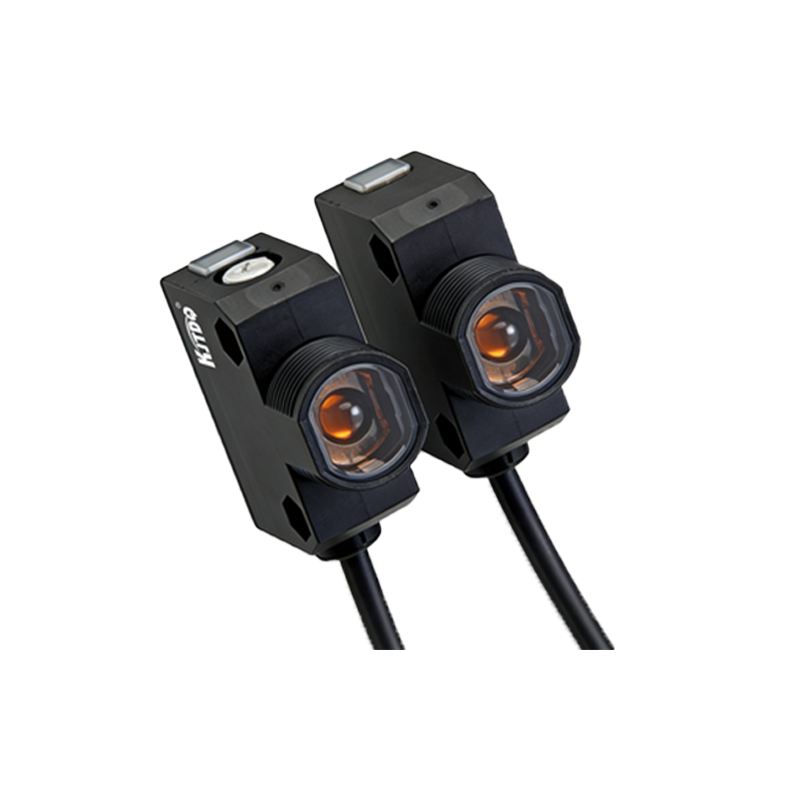
There are three main types of infrared photoelectric sensors: through-beam, retro-reflective, and diffuse reflective. Through-beam sensors consist of separate emitter and receiver units, offering the longest detection range (up to 30 meters) and highest reliability, ideal for harsh environments. Retro-reflective sensors use a reflector to bounce the beam back to the receiver, providing a medium range (up to 10 meters) and easier alignment. Diffuse reflective sensors combine emitter and receiver in one housing, detecting objects by the reflected light from the target itself, with a shorter range (typically up to 2 meters). The selection depends on factors like target material, size, color, and environmental conditions. For instance, diffuse sensors are preferred for detecting transparent or shiny objects in clean environments.
3. Optimizing Installation and Alignment
Proper installation and alignment are critical for the performance of infrared photoelectric sensors. For through-beam sensors, the emitter and receiver must be precisely aligned to ensure the beam path is unobstructed. Any misalignment can cause false signals or reduced range. Retro-reflective sensors require the reflector to be positioned at a specific angle, typically perpendicular to the sensor. Diffuse sensors are more forgiving but still require careful placement relative to the target’s surface. Common pitfalls include vibration, dirt accumulation on lenses, and interference from other light sources. Use adjustable mounting brackets and regular maintenance to maintain accuracy. In industrial settings, consider using sensor with built-in alignment indicators or teach-in functions for easier setup.
4. Troubleshooting Common Issues and Maintenance Best Practices
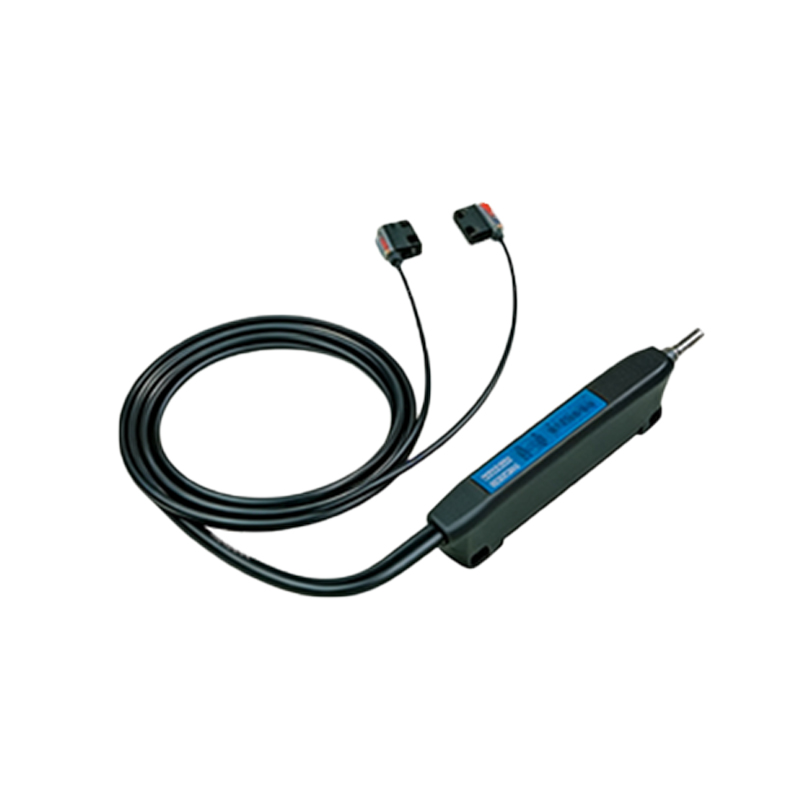
Even with proper setup, infrared photoelectric sensors can face issues such as false triggering, reduced sensitivity, or complete failure. False triggering often results from ambient light interference, dust, or reflective surfaces nearby. To mitigate, use modulated infrared light and install shields or filters. Reduced sensitivity can occur due to lens contamination or aging of the LED emitter; clean lenses regularly with lint-free cloth and check for electrical connection stability. For severe environments, choose sensors with IP67 or higher protection ratings. Regular maintenance schedules should include checking alignment, cleaning optical surfaces, and verifying output signals. Implementing these practices ensures long-term reliability and reduces downtime in automated systems.