Introduction to Rafael Photoelectric Sensors
Rafael photoelectric sensors are engineered for high-precision object detection in demanding industrial environments. Utilizing advanced optics and robust construction, these sensors provide reliable performance for automation systems, reducing downtime and enhancing production efficiency. Whether for packaging, material handling, or assembly lines, Rafael sensors offer versatile solutions.
Key Features and Technology
Rafael sensors incorporate through-beam, retro-reflective, and diffuse sensing modes to accommodate various applications. With high immunity to ambient light and electrical noise, they ensure stable operation even in harsh conditions. The sensors feature adjustable sensitivity, fast response times (down to 1 ms), and IP67-rated housings for protection against dust and moisture.
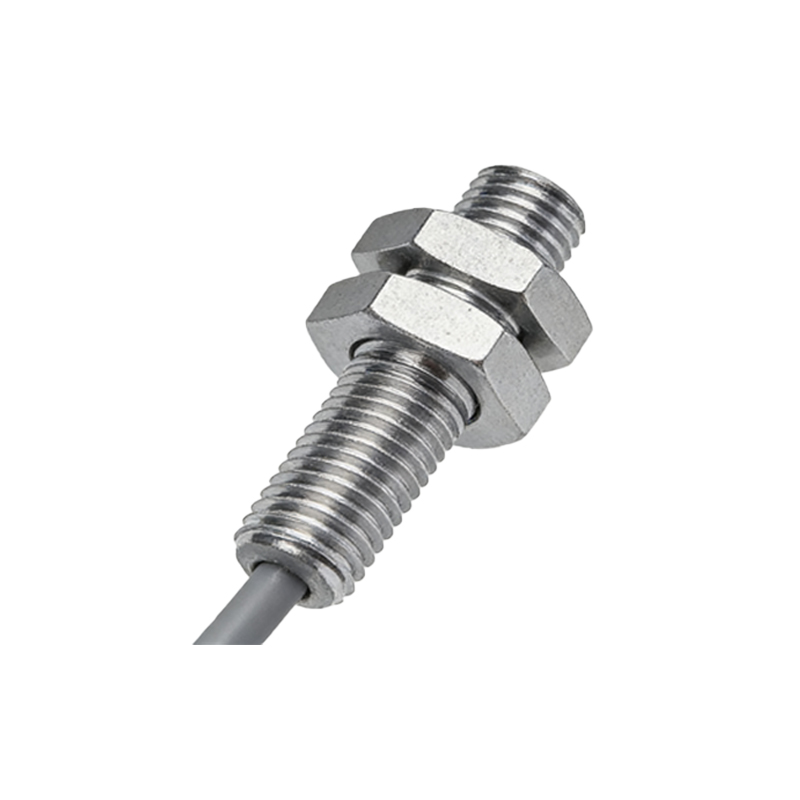
Applications in Manufacturing Lines
In automotive assembly, Rafael sensors detect component presence and position for robotic pick-and-place tasks. In food processing, they monitor transparent or reflective packaging materials without false triggers. The diffuse mode excels at detecting irregular shapes, while the retro-reflective variant handles long-range detection up to 20 meters.
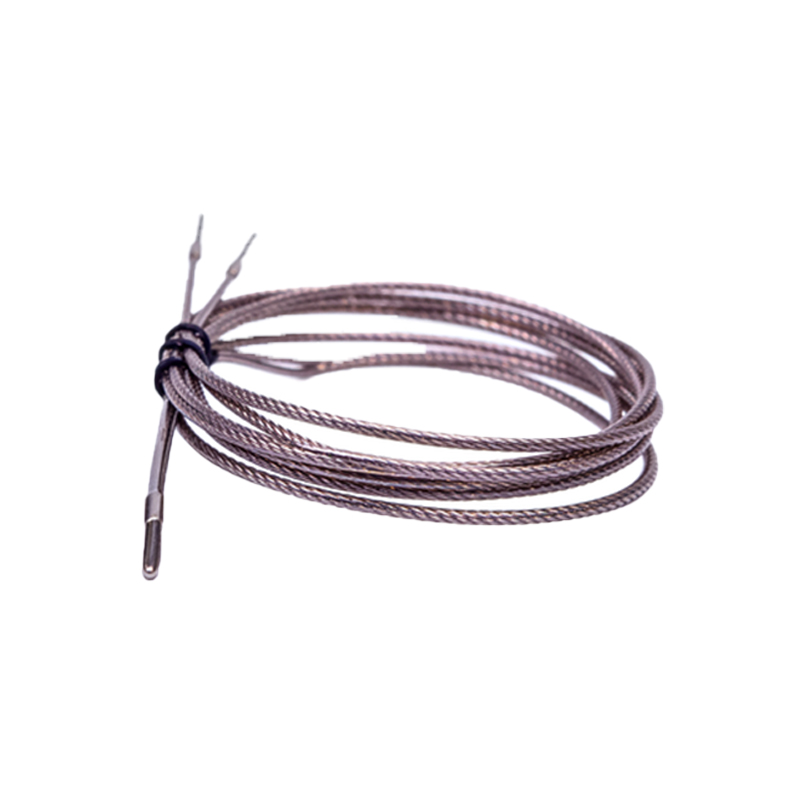
Integration with PLC and Control Systems
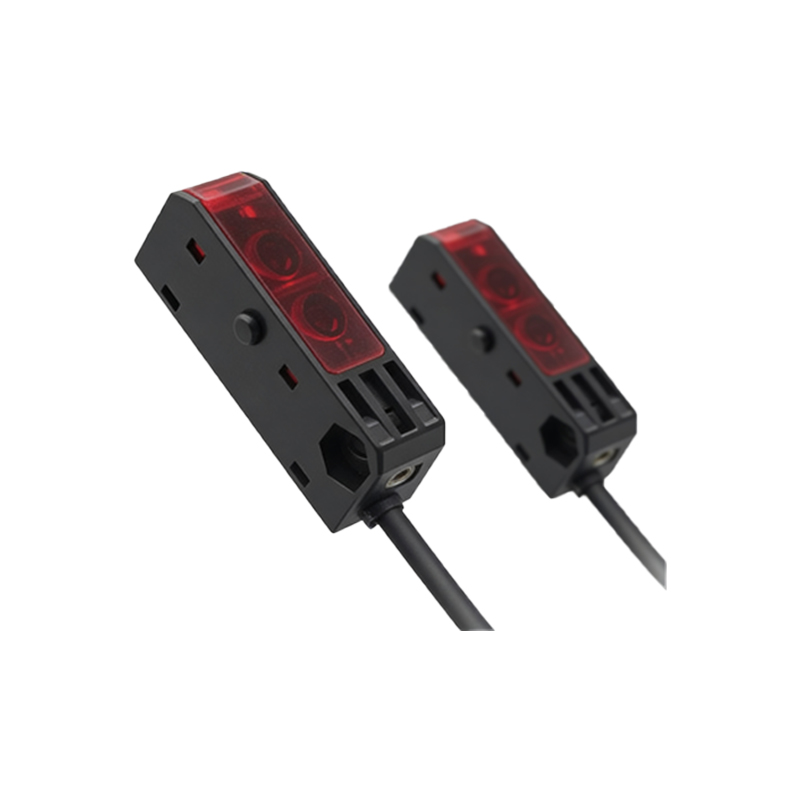
Rafael sensors support standard digital outputs (NPN/PNP) and optional IO-Link communication for smart diagnostics. They integrate seamlessly with Siemens, Rockwell, and Mitsubishi PLCs via pre-configured function blocks. This plug-and-play compatibility reduces setup time and simplifies maintenance.
Advantages over Competing Products
Compared to standard sensors, Rafael models offer extended temperature range (-25°C to 60°C) and vibration resistance (10 to 55 Hz). Their patented lens coating prevents condensation, ensuring consistent detection in humid environments. The long-lasting LED indicators provide clear status visibility from all angles.
Maintenance and Troubleshooting Tips
For optimal performance, clean the sensor lens weekly with a soft cloth and avoid abrasive chemicals. If false triggers occur, check alignment and adjust the sensitivity potentiometer. The diagnostic LED flashes to indicate error codes, which can be decoded from the user manual. Regular firmware updates via IO-Link ensure compatibility with evolving systems.
Future Trends in Photoelectric Sensing
Rafael is developing sensors with integrated AI for adaptive detection thresholds, reducing false positives from background interference. Next-generation models will feature wireless connectivity and self-calibration functions, aligning with Industry 4.0 requirements. These innovations promise to further automate quality control and predictive maintenance in smart factories.