Introduction to Photoelectric Sensors
Photoelectric sensors are essential components in modern industrial automation, converting light signals into electrical outputs to detect objects, distances, or material properties without physical contact. Their reliability, speed, and versatility make them ideal for harsh environments where mechanical sensors may fail. Common types include through-beam, retro-reflective, and diffuse sensors, each suited to specific applications.
Object Detection in Conveyor Systems
In manufacturing lines, photoelectric sensors are widely used for presence and absence detection on conveyor belts. For example, a through-beam sensor can precisely detect small parts or packages passing through, triggering sorting mechanisms or counting systems. This application reduces human error and increases throughput, especially in high-speed packaging industries.
Positioning and Alignment in Assembly
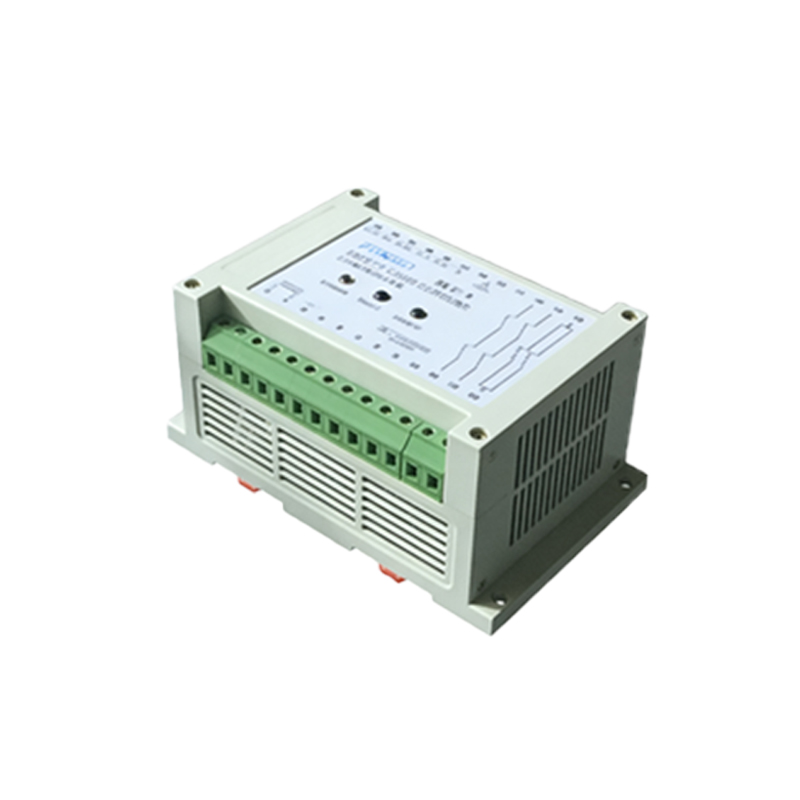
Diffuse photoelectric sensors excel in positioning tasks, such as ensuring components are correctly aligned before robotic assembly. By emitting a light beam and detecting reflections from the target, they confirm the presence and orientation of parts. This is critical in automotive or electronics assembly, where sub-millimeter accuracy is required.
Level Sensing in Liquid and Bulk Material Tanks
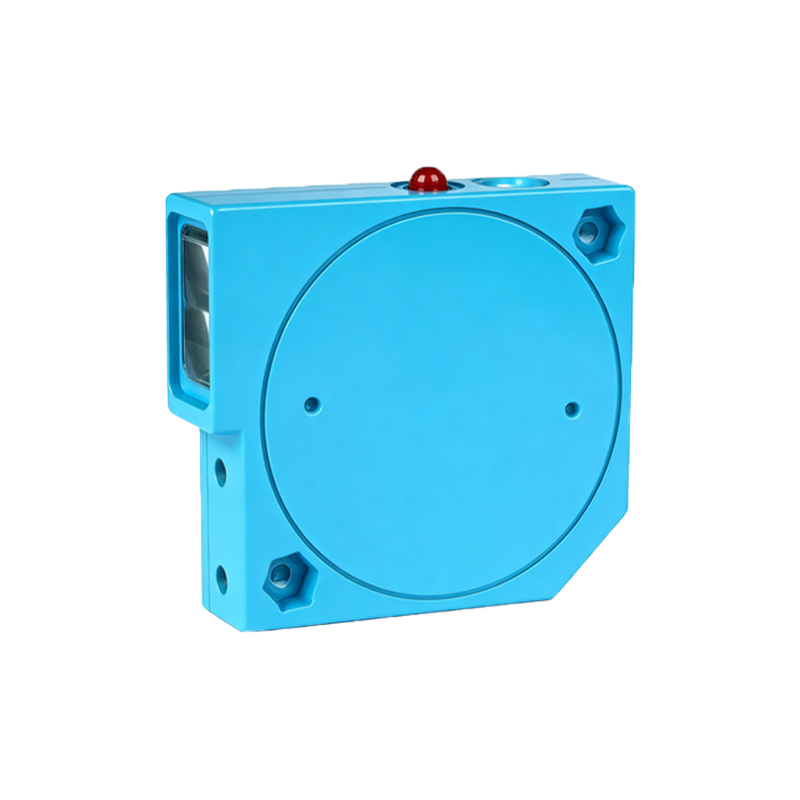
Retro-reflective sensors are effective for level monitoring in opaque or transparent containers. They can detect the interface between liquid and air, or bulk materials like powders, enabling automated filling or emptying processes. Their non-contact nature prevents contamination, making them suitable for food and pharmaceutical industries.
Safety and Guarding Applications
Safety light curtains, a specialized form of photoelectric sensor, provide safeguarding in hazardous areas. They create an invisible barrier that stops machinery when an obstruction is detected, protecting operators. This application complies with ISO 13849 and IEC 61496 standards, ensuring workplace safety without sacrificing productivity.
Quality Control and Inspection
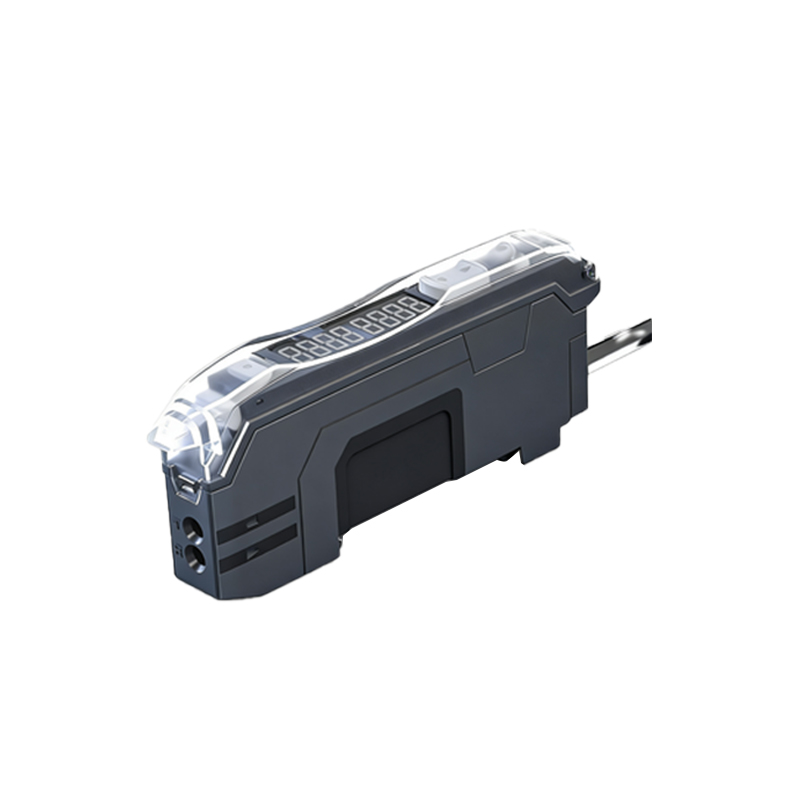
Photoelectric sensors also support quality assurance by detecting surface defects, color variations, or label presence. For instance, a high-speed diffuse sensor can identify missing caps on bottles, triggering rejection systems. This real-time inspection reduces waste and maintains product consistency.
Conclusion and Future Trends
The versatility of photoelectric sensors continues to expand with advancements in laser, fiber optic, and IoT technologies. Future trends include enhanced connectivity for Industry 4.0, smarter sensors with built-in diagnostics, and miniaturization for compact machinery. As industrial demands grow, these sensors remain a cost-effective and reliable solution for diverse automation challenges.