Introduction to Photoelectric Sensors
Photoelectric sensors are critical components in modern industrial automation, leveraging light beams to detect the presence, absence, or distance of objects. These sensors operate by emitting a light source (typically infrared, visible red, or laser) and analyzing the reflected or interrupted light signal. Their non-contact detection method ensures minimal wear and tear, making them ideal for high-speed, harsh environments. In industries like manufacturing, packaging, and logistics, photoelectric sensors excel in applications ranging from object counting to positioning and quality control.
Long-Distance Detection Capability
One of the standout features of photoelectric sensors is their ability to detect objects over extended distances, often exceeding tens of meters. Unlike inductive or capacitive sensors, which rely on proximity, photoelectric sensors use focused light beams, enabling reliable detection even for small or transparent targets. For instance, retro-reflective models can sense objects up to 20 meters away, while through-beam configurations achieve ranges beyond 100 meters. This makes them indispensable in conveyor systems, warehouse automation, and large-scale material handling where long-range accuracy is required.
Versatility Across Object Types
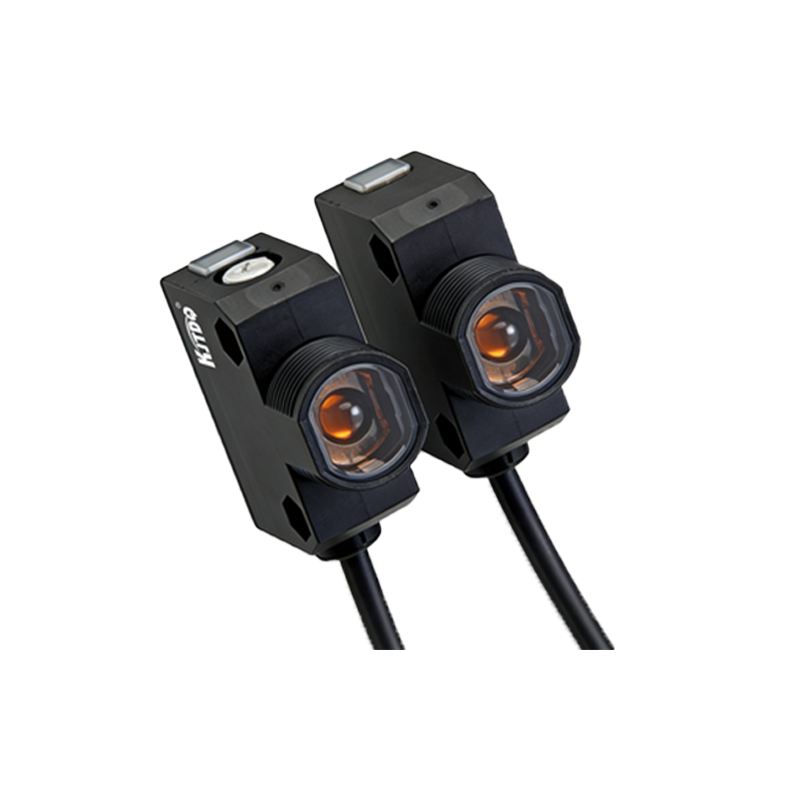
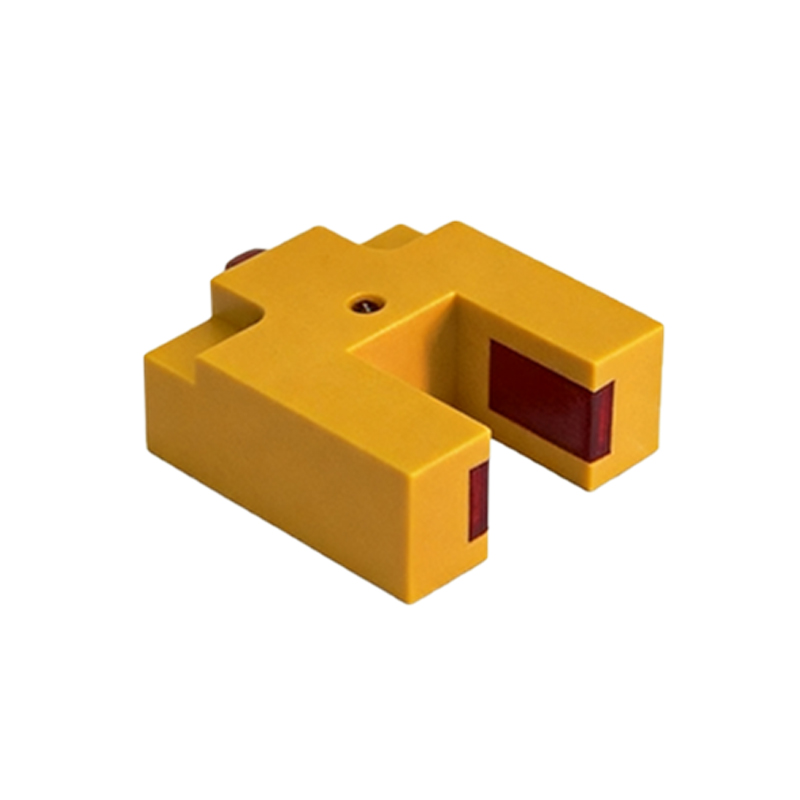
Photoelectric sensors demonstrate exceptional versatility in detecting a wide range of materials, including metals, plastics, glass, liquids, and opaque surfaces. This adaptability stems from varied sensing modes: diffuse sensors detect objects directly, retro-reflective sensors use a reflector for consistent beam alignment, and through-beam sensors offer the highest reliability by separating emitter and receiver units. For transparent or shiny objects, specialized models with polarization filters or background suppression ensure accurate detection, reducing false triggers common in other sensor types.
High-Speed Response and Precision
In high-speed production lines, photoelectric sensors provide rapid response times, often as low as microseconds. This allows for precise triggering of downstream equipment such as actuators, timers, or PLCs. The fast-switching capability supports applications like bottle filling, label printing, and component sorting, where delays could cause bottlenecks. Additionally, advanced sensors feature adjustable sensitivity and hysteresis, enabling fine-tuned control in challenging conditions, such as dusty environments or varying ambient light levels.
Robustness in Harsh Environments
Industrial settings often expose sensors to dust, moisture, vibration, and temperature extremes. Photoelectric sensors are engineered with IP67 or higher protection ratings, sealed housings, and immune-to-light interference designs. Many models incorporate LED indicators for status monitoring and self-diagnostic functions to alert operators of lens contamination or misalignment. For outdoor or high-temperature applications, laser-based sensors with built-in cooling systems maintain stable performance, ensuring prolonged operational life and reduced maintenance downtime.
Simple Installation and Alignment
Ease of installation is a key advantage, particularly for retro-reflective and through-beam sensors that require minimal wiring and mechanical adjustments. Many units feature compact, modular designs with quick-connect cables and bracket mounts, reducing setup time. Alignment is simplified using visible red beam indicators or laser pointers, allowing technicians to verify optical paths visually. Some advanced sensors even include auto-calibration routines, automatically adjusting threshold levels to compensate for target variations or environmental changes.
Energy Efficiency and Cost-Effectiveness
Modern photoelectric sensors incorporate energy-saving technologies, such as pulsed LED emissions and sleep modes, consuming as little as 10 mW in standby. This reduces overall power consumption in large-scale installations. Additionally, their long lifespans (often exceeding 50,000 hours) and low failure rates lower total cost of ownership. Compared to mechanical switches or capacitive sensors, photoelectric models offer better return on investment through reduced false triggers, faster line speeds, and less frequent replacements.
Integration with Industrial Networks
Contemporary photoelectric sensors are designed for seamless integration into Industry 4.0 ecosystems. Many support IO-Link communication, enabling real-time data transmission of sensor status, detection counts, and diagnostic logs to central control systems. This facilitates predictive maintenance and process optimization. Additionally, sensors with analog outputs (e.g., 4-20 mA or 0-10 V) provide continuous distance measurement, while discrete outputs interface directly with PLCs or relay modules. Compatibility with PROFINET, EtherNet/IP, or CANopen ensures smooth integration across diverse automation architectures.