Introduction to Sensopart Photoelectric Sensors
Sensopart is a globally recognized leader in industrial automation, specializing in high-performance photoelectric sensors. Their product line covers a wide range of detection technologies, including through-beam, retro-reflective, and diffuse sensors, designed for demanding environments such as automotive assembly, packaging, and material handling. These sensors are engineered to deliver precise, reliable, and fast switching performance, even under challenging conditions like dust, moisture, or extreme temperatures.
Key Model Series and Their Features
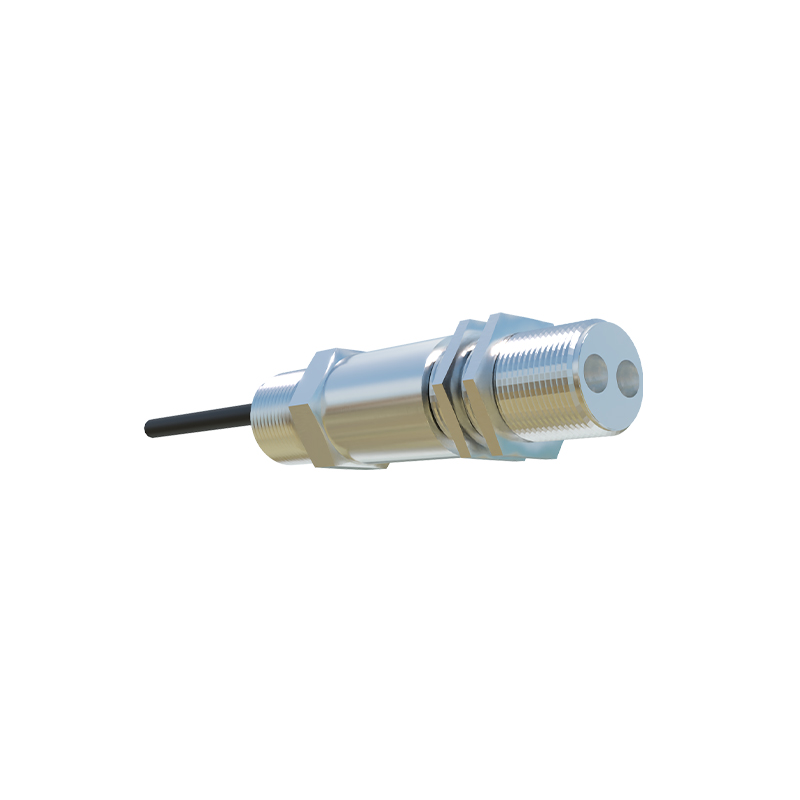
The Sensopart portfolio includes several key series. The FT25-RL series offers compact through-beam sensors with a range up to 20 meters, ideal for long-distance detection in harsh industrial settings. The FT-25-PS series, a retro-reflective model, provides stable detection of transparent objects like glass or plastic bottles, with integrated background suppression. For diffuse sensing, the FT-20-RL series uses advanced infrared technology for reliable object detection regardless of color or surface reflectivity. Each model features robust IP67 enclosures, M12 connectors, and adjustable sensitivity via a potentiometer or IO-Link interface.
Selection Criteria for Industrial Engineers
When selecting a Sensopart sensor, engineers must consider the target material, distance, and environmental factors. For example, the FT-50 series is optimized for long-range through-beam applications up to 50 meters, while the FT-10 series excels in confined spaces with a 100 mm sensing range. Retro-reflective models like the FT-30 are best for detecting shiny or transparent objects, as they minimize false triggering. Diffuse sensors, such as the FT-15, are suited for non-reflective surfaces like cardboard or wood. Additionally, IO-Link enabled models (e.g., FT25-IO) allow for remote configuration, diagnostics, and data logging, enhancing predictive maintenance.
Installation and Calibration Tips
Proper installation is critical for sensor performance. First, align the emitter and receiver for through-beam models to ensure unobstructed light paths. Use included mounting brackets and confirm the orientation is parallel to the conveyor belt. For retro-reflective sensors, position the reflector at least 10 mm away from the sensor, and clean it regularly to avoid dust buildup. Calibration involves adjusting the sensitivity potentiometer until the indicator LED is steady. For diffuse sensors, set the background suppression threshold to ignore stationary objects. Always test with the actual production target to verify stability.
Common Troubleshooting and Maintenance
Common issues include false triggers from ambient light or dust. For through-beam sensors, check for obstacles in the light path. For retro-reflective sensors, ensure the reflector is not misaligned or dirty. If using diffuse sensors, adjust the background suppression to eliminate reflections from shiny surfaces. Regular maintenance includes cleaning the lens with a soft cloth and inspecting cables for wear. For IO-Link models, use software to monitor signal strength and set alarms for degradation.
Conclusion: Why Sensopart Stands Out
Sensopart photoelectric sensors offer unmatched reliability, flexibility, and advanced features like IO-Link compatibility. Their diverse model range ensures a solution for nearly any industrial detection challenge, from high-speed packaging to heavy-duty material handling. By understanding each series’ strengths—such as long-range detection, transparent object sensing, or compact design—engineers can optimize system performance and reduce downtime.