Introduction to Shield Photoelectric Sensors in Balancing Technology
Shield photoelectric sensors have become indispensable components in modern balancing machines, particularly in high-precision industries such as automotive, aerospace, and heavy machinery. These sensors detect the position and rotational speed of rotating parts by emitting and receiving light beams, enabling real-time feedback for dynamic balancing. Unlike traditional mechanical sensors, Shield’s photoelectric design offers non-contact measurement, reducing wear and tear while maintaining accuracy within 0.1 degrees. For electrical engineers, integrating these sensors into balance machines ensures consistent performance in harsh environments, where dust, vibration, and temperature fluctuations are common. This article explores the technical specifications, installation best practices, and troubleshooting tips for Shield photoelectric sensors in balancing applications.
Key Features of Shield Photoelectric Sensors for Balance Machines
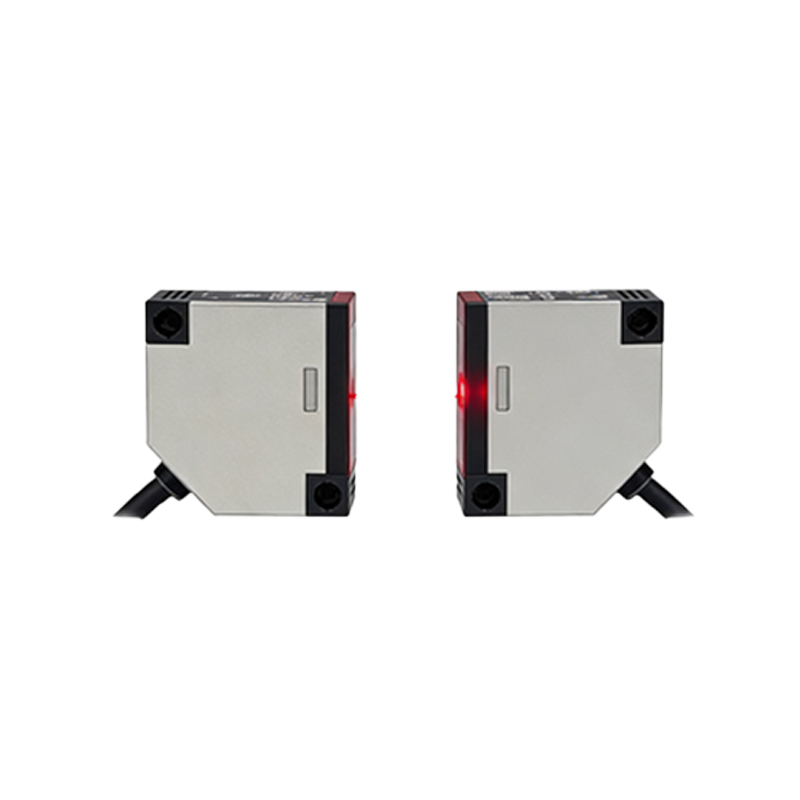
Shield photoelectric sensors are designed with robust construction to withstand industrial conditions. Key features include: - High-speed response times: With switching frequencies up to 10 kHz, these sensors capture rapid rotational changes without lag. - Immunity to ambient light: Shield’s modulation technique filters out interference from overhead lights or sunlight, ensuring stable readings. - Compact form factor: The sensors fit into tight spaces within balance machine housings, such as near spindle mounts. - Multiple output options: PNP, NPN, or analog outputs allow seamless integration with PLCs and servo drives. For balancing tasks, the thru-beam and retro-reflective variants are most common, as they detect unpolished or reflective surfaces equally well.
Installation Guidelines for Optimized Performance
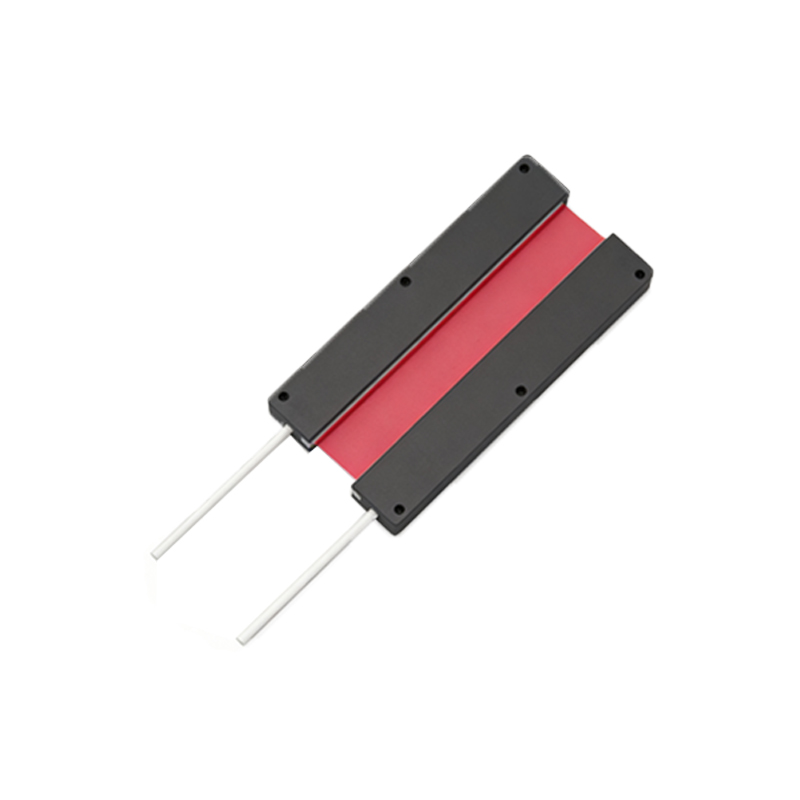
Proper installation is critical for maximizing sensor accuracy. First, mount the sensor at a 90-degree angle to the rotor surface to minimize angular errors. Maintain a gap of 10-20 mm between the sensor head and the target, as per Shield’s datasheet. Use shielded cables to prevent electromagnetic interference from nearby motors or inverters. For balance machines operating above 3000 RPM, align the sensor with a reflective tape strip on the rotor to trigger consistent pulses. Avoid direct exposure to coolant or metal chips by using protective glass covers. After installation, perform a calibration run with a known balanced rotor to verify signal consistency.
Troubleshooting Common Issues in Balancing Applications
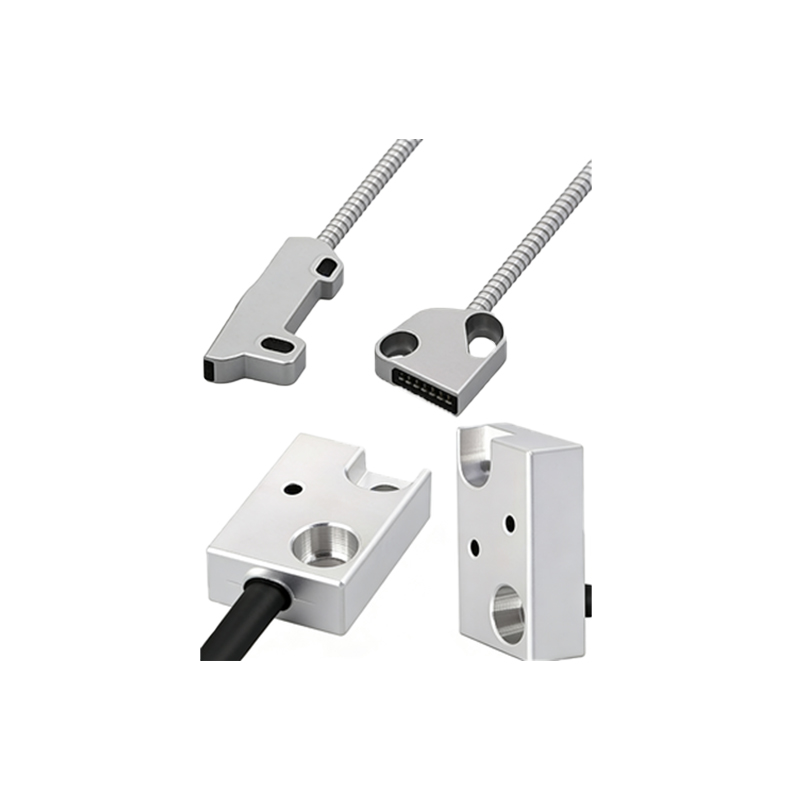
Even with high-quality sensors, issues may arise. If the sensor fails to detect the rotor, check the alignment angle and clean the lens with a lint-free cloth. For erratic signals, examine the cable for breaks or loose connectors. In multi-sensor setups, ensure that the sensor’s output pulse width matches the PLC input requirement (e.g., 50 ms for most controllers). If false triggering occurs due to reflective debris, switch to a background suppression model. Shield’s diagnostic LEDs (green for power, yellow for output) simplify troubleshooting. For persistent problems, consult the sensor’s manual for threshold adjustments using the built-in potentiometer.
Case Study: Improved Accuracy in Automotive Balance Lines
A leading automotive manufacturer integrated Shield photoelectric sensors into their wheel balance machines. Previously, mechanical switches caused misreadings at high speeds, leading to a 5% scrap rate. After replacing with Shield’s retro-reflective sensors, the scrap rate dropped to 0.3%. The sensors provided stable triggering up to 6000 RPM, and their IP67 rating allowed operation in wet environments. Engineers noted a 20% reduction in maintenance downtime due to the sensors’ self-cleaning lens design. This case demonstrates how Shield sensors enhance both product quality and operational efficiency.
Conclusion: Future Trends in Sensor-Based Balancing
As industry moves toward Industry 4.0, Shield photoelectric sensors are evolving with IoT capabilities. Future models may include built-in diagnostics and wireless data transmission for predictive maintenance. For electrical engineers, staying updated on sensor specifications and installation standards is key to leveraging these advancements. By adopting Shield sensors, balance machine operators can achieve sub-micron precision, reduce energy consumption, and extend equipment lifespan. The integration of these sensors is not just a technical upgrade but a strategic investment in manufacturing excellence.