Introduction to Photoelectric Sensor Shutter Blades
Photoelectric sensors are critical components in industrial automation, detection, and safety systems. The shutter blade, or挡光片, plays a pivotal role in controlling the light path, ensuring accurate signal processing. Typically made from materials like stainless steel, aluminum, or specialized polymers, these blades must balance durability, weight, and optical opacity. In high-speed applications, even micro-vibrations can cause false triggers, making blade design a key factor in system reliability.
Material Selection and Environmental Resistance
For harsh industrial environments, shutter blades require materials that withstand temperature extremes, humidity, and chemical exposure. Stainless steel variants offer superior corrosion resistance and long service life, while aluminum blades provide lightweight operation for fast-moving mechanisms. Polymer blends, such as PEEK or PTFE, are chosen for low friction and self-lubricating properties. Engineers must also consider surface finishes—matte coatings reduce glare, preventing unintended reflections that could compromise sensor accuracy.
Geometric Design for Optimal Light Interruption
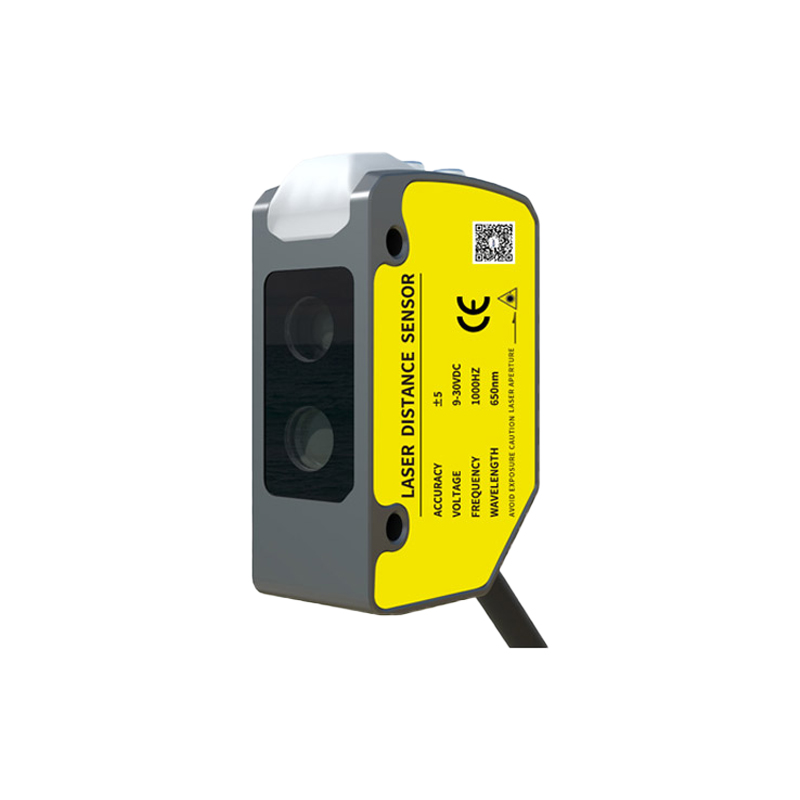
The blade’s shape and thickness directly affect sensor response time and precision. A common design features a thin, rectangular profile with rounded edges to minimize wear on actuator components. For slot-type sensors, the blade must fully block the light beam without causing mechanical stress. Tapered or notched edges can fine-tune the cutoff angle, enabling faster cycling in applications like conveyor belt counting or print registration. CAD simulations help refine these geometries to achieve micron-level tolerances.
Integration with Actuation Systems
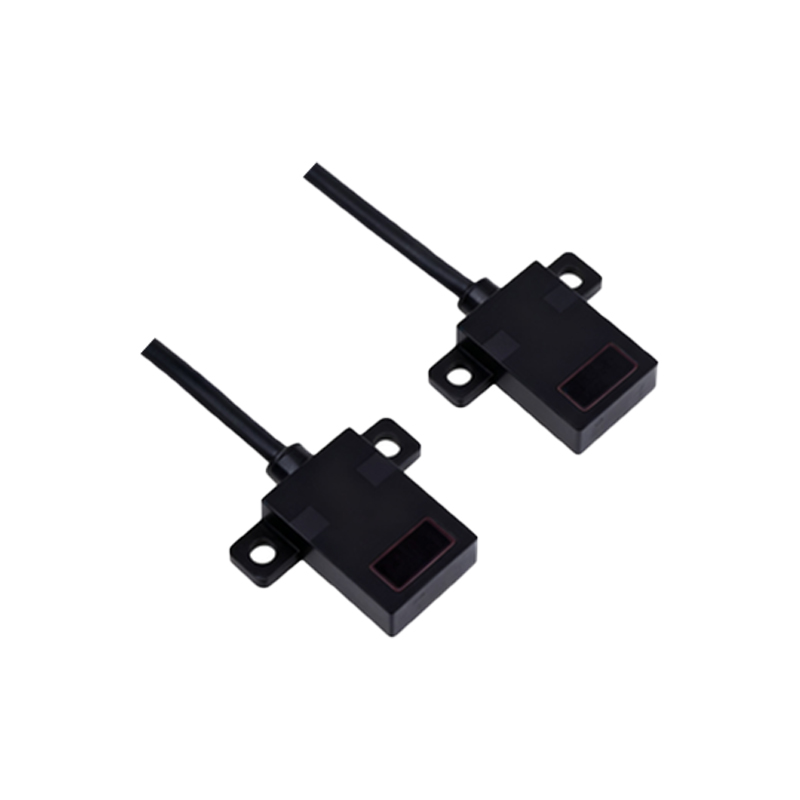
Shutter blades are often paired with solenoid or pneumatic actuators. The blade’s inertia and mounting points must align with the actuator’s force output. For example, a high-speed solenoid requires low-mass blades to prevent lag, while heavy-duty pneumatic systems can handle thicker blades for extreme blocking requirements. Proper alignment of the blade with the sensor’s emitter-receiver axis reduces light leakage, which is critical in safety light curtains.
Case Study: Enhancing Through-Beam Sensor Accuracy
In a packaging line, throughput sensors using standard blades exhibited intermittent false signals due to blade flutter at 2000 cycles per minute. Replacing the blades with a carbon-fiber-reinforced polymer design reduced weight by 40% and eliminated resonance. The new blades maintained a 0.5-millimeter blocking precision, improving system uptime by 12%. This demonstrates how tailored blade engineering can directly impact operational efficiency.
Maintenance and Longevity Considerations
Regular inspection of shutter blades is essential. Signs of wear include surface pitting, deformation, or reduced opacity. For high-cycle applications, lubricating pivot points with dry-film lubricants extends blade life. Replacement intervals should be based on actual cycle counts rather than calendar days. IoT-enabled sensors can now monitor blade movement patterns to predict failures, enabling predictive maintenance strategies.
Future Trends in Shutter Blade Technology
Advanced manufacturing techniques like laser cutting and 3D printing now allow for complex internal geometries, such as honeycomb structures, that reduce weight without sacrificing strength. Smart materials, including shape-memory alloys, could enable blades that adapt to temperature changes. Additionally, integrated fiber-optic feedback systems might allow blades to self-calibrate for wear, pushing photoelectric sensor reliability to new heights.