Understanding Reflective Photoelectric Sensors
Reflective photoelectric sensors are essential components in industrial automation, used for object detection without physical contact. They emit a beam of light, typically infrared or visible, and detect the reflection from a target object. The cost of these sensors varies widely based on factors like output type, sensing range, environmental protection, and brand reputation. As an electrical engineer, I often get asked about pricing, and the answer is not one-size-fits-all. Let’s break down the key cost drivers to give you a clear picture.
Key Factors Influencing Price
The price of a reflective photoelectric sensor can range from $20 for basic models to over $500 for high-end industrial versions. The primary factors include sensing distance, response time, and housing material. For example, a standard diffuse reflective sensor with a 0.1-2 meter range and plastic housing might cost $30-$80. In contrast, a rugged, stainless-steel sensor with a 10-meter range and IO-Link communication can exceed $300. Additional features like background suppression, which ignores distant objects, also increase the cost by 20-40%.
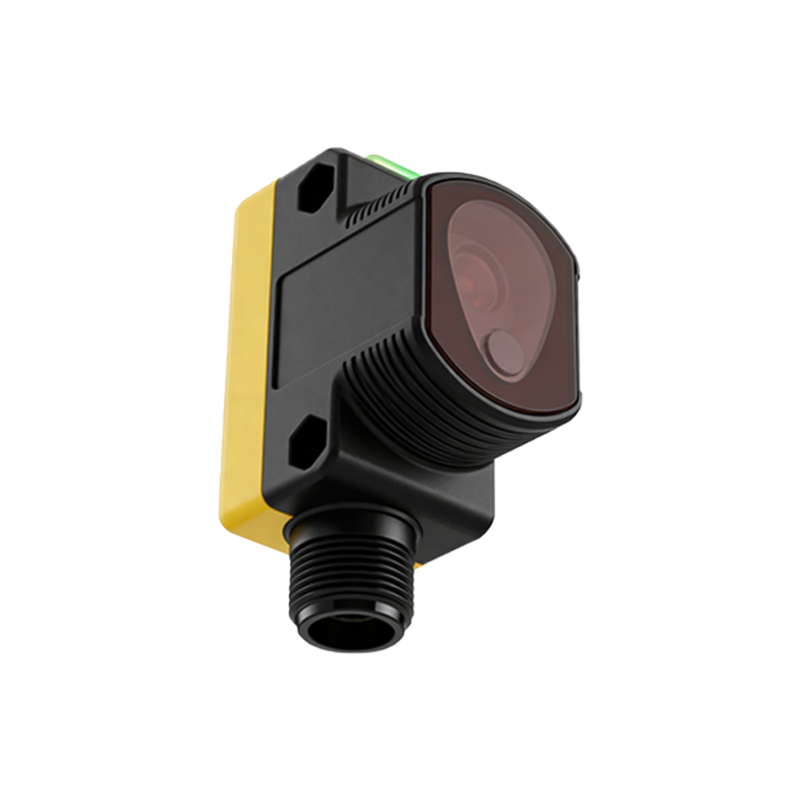
Price Breakdown by Sensor Type
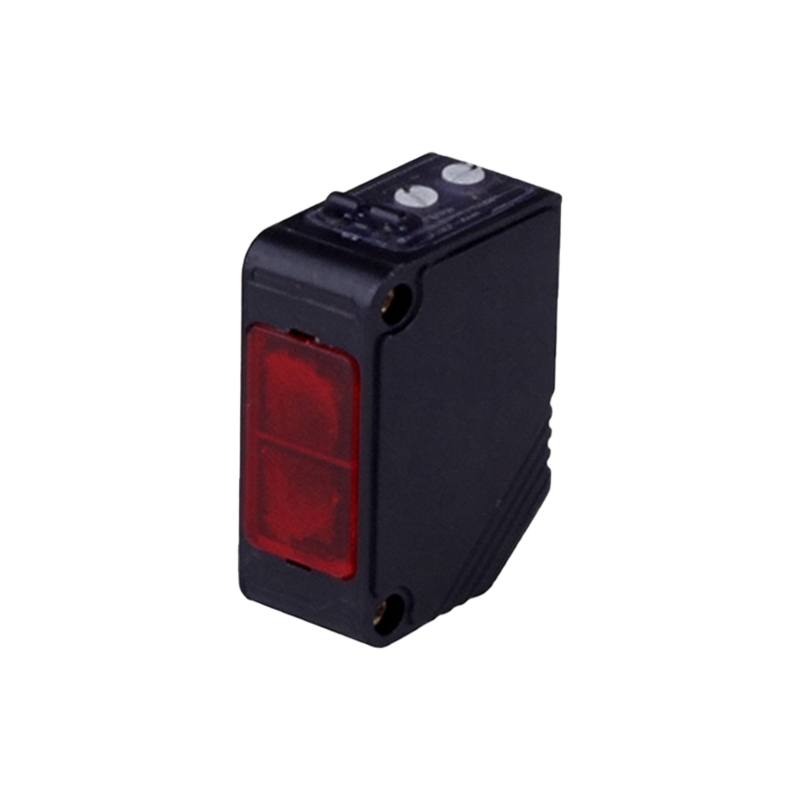
- Basic Diffuse Reflective Sensors: $20-$60. These are common in packaging and conveyor systems. They use the target as a reflector and are suitable for short-range detection (up to 1 meter). Brands like Omron or SICK offer reliable options in this bracket.
- Retro-Reflective Sensors: $40-$150. These include a reflector and offer longer ranges (up to 15 meters). They are more consistent than diffuse types and work well on transparent objects. Prices rise with polarized filters, which prevent false triggers on shiny surfaces.
- Background Suppression Sensors: $80-$250. These sensors precisely detect objects at a set distance, ignoring backgrounds. They are ideal for assembly lines with varying distances. The advanced optics and processing electronics justify the higher cost.
- High-End Industrial Sensors: $200-$500+. These feature IP67/IP69K ratings, high-temperature resistance, and advanced connectivity (e.g., EtherNet/IP). They are used in harsh environments like automotive paint shops or food processing.
Brand and Quality Considerations
Brand reputation significantly impacts cost. Premium brands like Banner, Pepperl+Fuchs, and Keyence command higher prices due to reliability, warranty, and technical support. For instance, a Keyence sensor with similar specs to a generic Chinese model can cost 3-5 times more. However, for critical applications where downtime is expensive, investing in a known brand is cost-effective. Generic sensors from manufacturers like Autonics or Leuze are budget-friendly ($15-$50) but may lack durability or calibration accuracy.
Where to Buy and Additional Costs
Reflective photoelectric sensors are available from industrial distributors like Mouser, Digi-Key, or AutomationDirect, as well as on platforms like Amazon and Alibaba. Online prices are often 10-20% lower than from local suppliers. However, factor in shipping costs ($5-$20) and potential customs fees if importing. Also, do not overlook the cost of cables, mounting brackets ($10-$30), and programming software (if using smart sensors). For a typical project, budget an extra 15% for accessories.
Summary and Recommendations
In conclusion, the cost of a reflective photoelectric sensor is highly application-dependent. For simple tasks, a $30 sensor suffices. For demanding environments, allocate $100-$300. Always review the datasheet for specifications like sensing range, supply voltage (e.g., 10-30 VDC), and output type (NPN/PNP). As a rule, test a sample before bulk purchase to ensure compatibility. Consult with a supplier engineer if unsure—they can help balance performance and budget. Remember, the cheapest sensor may fail prematurely, so consider total cost of ownership.