Introduction: The Critical Role of Photoelectric Sensors in Modern Automation
As a veteran electrical engineer specializing in industrial automation, I have witnessed firsthand how photoelectric sensors have become the backbone of modern manufacturing lines. These devices detect the presence, absence, or distance of objects using light, enabling everything from packaging to conveyor belt control. Choosing the right supplier is crucial for system reliability, efficiency, and cost-effectiveness. Below, I present a curated list of the top 10 photoelectric sensor companies globally, based on market share, technology innovation, product quality, and customer support. This ranking reflects data from recent industry reports and field experience.
1. SICK AG: The Gold Standard in Sensor Technology
SICK AG, headquartered in Germany, consistently leads the market with its extensive portfolio of photoelectric sensors. Their product lines, such as the V200 and W4F series, offer exceptional performance in harsh environments. SICK excels in laser-based sensors for long-range detection and can handle complex tasks like color differentiation. For engineers, SICK provides robust software tools for configuration, making integration seamless. Their global service network ensures minimal downtime.
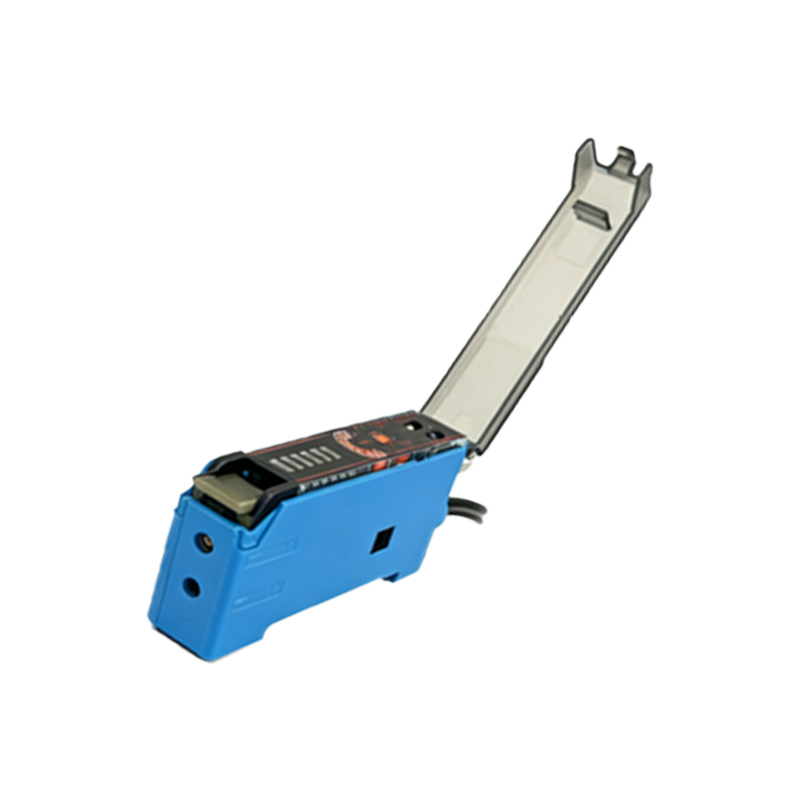
2. Banner Engineering: Innovation with User-Centric Design
Banner Engineering, based in the USA, is renowned for user-friendly sensors like the Q4X and S18 series. They pioneered IO-Link technology, allowing real-time data exchange. Banner’s sensors are compact yet powerful, ideal for tight spaces in packaging and assembly lines. Their “Simplified Automation” philosophy reduces installation complexity, and their lifetime warranty on many models adds significant value for industrial buyers.
3. Omron Corporation: Precision for High-Speed Applications
Omron, a Japanese giant, offers the E3Z and E3C series, which are staples in automotive and electronics manufacturing. Omron’s sensors boast fast response times (as low as 0.5 ms) and high immunity to ambient light interference. Their “Industrial Automation” division integrates sensors with PLCs and vision systems, providing a complete ecosystem. Omron also publishes detailed technical manuals, aiding engineers in precise selection.
4. Keyence Corporation: Cutting-Edge Laser and CMOS Technology
Keyence, another Japanese leader, focuses on high-end sensors like the LV and LR-Z series. They use advanced CMOS sensors and laser triangulation for sub-micron accuracy. Keyence sensors excel in detecting clear objects, such as glass or plastic bottles. Their direct sales model eliminates distributors, ensuring competitive pricing. However, compatibility with third-party controllers may require adapters.
5. Balluff GmbH: Robust Solutions for Extreme Conditions
Balluff, from Germany, specializes in industrial-grade sensors for welding, metalworking, and heavy machinery. Their BOS series photoelectric sensors feature IP69K protection and resist harsh chemicals, heat, and vibration. Balluff’s “Inductive and Photoelectric” lines are trusted in automotive body shops. They also offer customized cables and connectors, which simplifies wiring in complex systems.
6. Pepperl+Fuchs: Reliability in Hazardous Areas
Pepperl+Fuchs, also German, is a top choice for sensors in explosive environments (ATEX and IECEx certified). Their ML100 and RL series deliver stable detection even with dust, oil, or steam. They provide both through-beam and retro-reflective types for various ranges. P+F’s application support team is responsive, aiding engineers in selecting sensors for oil rigs or chemical plants.
7. Rockwell Automation (Allen-Bradley): Integrated Control Systems
Rockwell Automation, a US-based company, offers the 42BT and 42KL series, which integrate seamlessly with their ControlLogix and CompactLogix PLCs. These sensors are designed for predictive maintenance, with diagnostic LEDs and data logging. Rockwell’s “Connected Enterprise” framework allows remote monitoring, which reduces unplanned downtime. Their pricing is mid-to-high, but total cost of ownership is low.
8. Panasonic Industrial Devices: Cost-Effective Performance
Panasonic, a Japanese brand, provides the EX-10 and HG-C series, balancing performance with affordability. Their sensors are compact and energy-efficient, suitable for light-duty applications like food processing and consumer electronics. Panasonic sensors often include built-in amplifiers, which simplify wiring. They also offer a broad temperature range (-25°C to +55°C), making them versatile.
9. Datalogic (Autonics): Specialists in Logistics and Retail
Datalogic, an Italian company, focuses on sensors for logistics, such as the S20 and S300 series. They excel in barcode scanning and object detection in conveyor systems. Autonics, a South Korean brand under Datalogic, provides budget-friendly options with decent performance. Their sensors feature adjustable sensitivity and LED indicators, appealing for small-to-medium enterprises.
10. Turck (Banner’s Competitor): Miniature Sensors for Tight Spaces
Turck, a German family-owned firm, offers the Q125 and Q130 series, which are among the smallest photoelectric sensors on the market. They are ideal for robotics and medical devices. Turck’s “Miniature Sensor” line supports side-on and through-beam configurations. Their rugged design withstands washdowns, meeting USDA and FDA standards for food processing.
Conclusion: How to Choose the Right Partner
When selecting a photoelectric sensor supplier, evaluate your application’s environment (temperature, humidity, dust), range requirements, and integration needs. SICK and Pepperl+Fuchs are best for harsh conditions; Keyence for precision; Banner for ease of use; and Rockwell for PLC integration. Always request sample kits for field testing and verify compatibility with existing equipment. A reliable partner ensures long-term productivity.