Overview of the Photoelectric Sensor Industry Chain
The photoelectric sensor industry chain is a complex ecosystem that spans raw material suppliers, component manufacturers, sensor integrators, and end-user industries. As a critical technology in modern automation, photoelectric sensors detect the presence, absence, or distance of objects using light beams, typically in industrial environments. The chain begins with semiconductor materials like silicon, gallium arsenide, and indium phosphide, which are essential for emitter and receiver components. These materials are processed into LEDs, laser diodes, and photodetectors, which form the core of any photoelectric sensor. The industry is heavily influenced by trends in factory automation, logistics, and robotics, driving demand for high-precision and reliable sensors.
Upstream: Raw Materials and Core Components
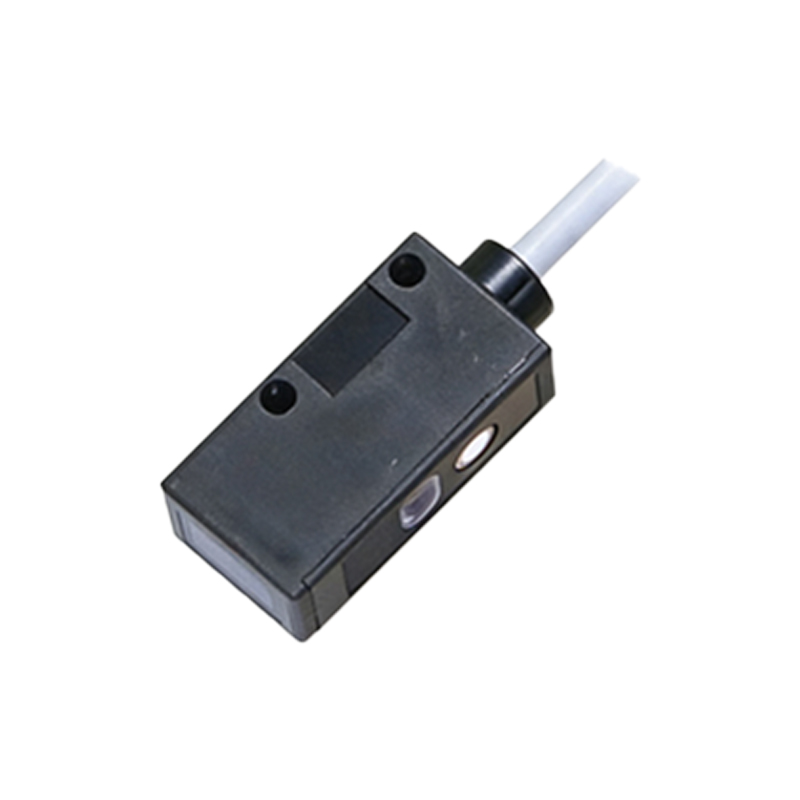
The upstream segment focuses on sourcing and manufacturing key components. Emitters, such as infrared or visible light LEDs and laser diodes, are produced using advanced epitaxial growth techniques. Receivers, including photodiodes and phototransistors, require high-purity silicon wafers and precise doping processes. Additionally, optical elements like lenses, filters, and reflectors are crafted from specialty glass or polymers, often coated to enhance light transmission and reduce interference. The quality of these materials directly impacts sensor performance, including response time, sensitivity, and immunity to ambient light. Suppliers like Osram, Hamamatsu, and Vishay dominate this space, offering standardized components that meet industrial-grade reliability standards.
Midstream: Sensor Integration and Manufacturing
In the midstream, manufacturers integrate upstream components into finished photoelectric sensors. This involves designing circuit boards for signal processing, housing assembly with IP ratings (e.g., IP67 for harsh environments), and calibration for specific detection modes like through-beam, retro-reflective, or diffuse. Key challenges here include minimizing false triggers from dust or vibration and ensuring long-term stability under temperature extremes. Major players such as SICK, Banner Engineering, and Keyence invest heavily in R&D to develop compact, energy-efficient sensors with digital outputs like IO-Link. The manufacturing process also includes rigorous testing for electrical and optical parameters, often complying with IEC 60947-5-2 standards.
Downstream: Distribution and End-User Applications
The downstream segment encompasses distribution channels and end-user industries. Distributors like Digi-Key, RS Components, and Mouser Electronics provide global access to sensors, offering technical support and customization services. End-user applications are vast: in automotive assembly lines, sensors detect component presence for robotic welding; in packaging, they monitor bottle caps and labels; in logistics, they guide automated guided vehicles (AGVs). Emerging trends include integration with industrial IoT (IIoT) for predictive maintenance and the use of time-of-flight (ToF) technology for 3D sensing. The demand for long-range sensors (up to 100m) and high-speed detection (under 50 microseconds) continues to grow, particularly in semiconductor manufacturing and food & beverage processing.
Market Trends and Future Outlook
The photoelectric sensor market is projected to grow at a CAGR of 8-10% through 2030, driven by Industry 4.0 and smart factory initiatives. Key innovations include the adoption of multi-wavelength sensors for color differentiation and the development of self-cleaning lenses for dusty environments. Challenges remain, such as competition from ultrasonic and capacitive sensors in specific niches, and supply chain risks for rare-earth materials used in laser diodes. To stay competitive, manufacturers are focusing on miniaturization and cost reduction through solid-state designs. Partnerships with system integrators and software providers are also critical to deliver complete sensing solutions rather than standalone hardware.
Conclusion: Critical Factors for Success in the Photoelectric Sensor Chain
Success in this industry requires tight coordination across all tiers. Upstream suppliers must ensure material consistency, while midstream manufacturers need to optimize production yields and reduce lead times. Downstream players should emphasize application-specific support and fast delivery. As automation becomes more data-driven, the ability to offer smart sensors with embedded diagnostics and connectivity will define market leaders. Companies that invest in both component innovation and ecosystem integration will capture the most value in this evolving chain.