Introduction to Photoelectric Sensors
Photoelectric sensors are essential devices in industrial automation, used to detect the presence, absence, or distance of objects using light. They consist of several critical components that work together to ensure reliable performance in harsh environments. Understanding these parts is crucial for engineers and maintenance professionals.
Light Emitter: The Source of Detection
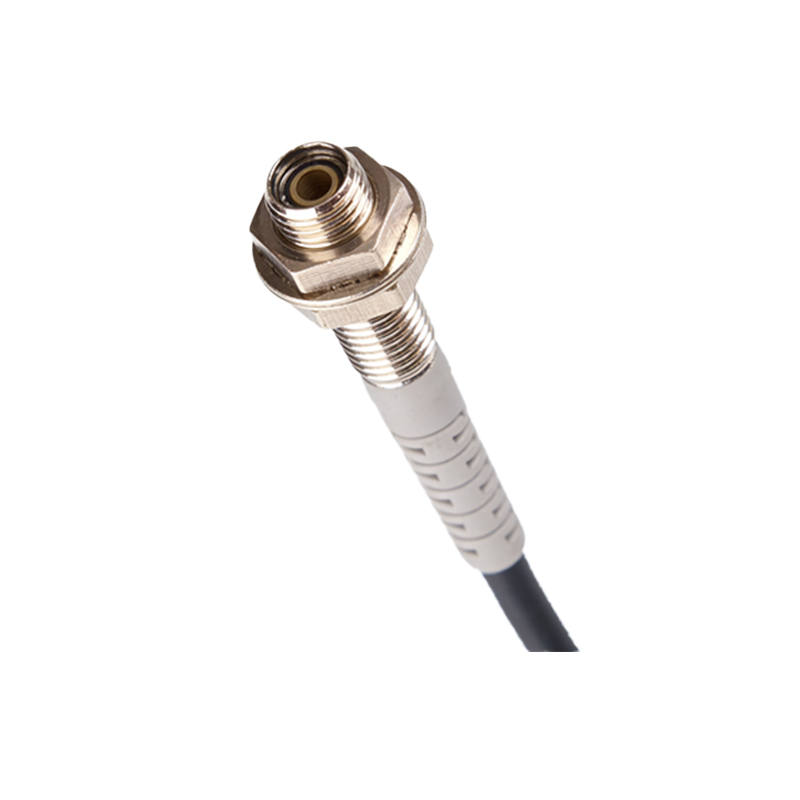
The light emitter, typically an LED (Light Emitting Diode) or laser diode, generates the light beam. LED emitters are common for general-purpose applications due to their long life and low cost, while laser emitters provide higher precision for small or distant objects. The emitter is housed in a sealed enclosure to protect against dust and moisture, ensuring consistent light output over time.
Receiver: Capturing the Signal
The receiver is a photodetector, such as a phototransistor or photodiode, that converts incoming light into an electrical signal. This signal is then amplified and processed to determine if the light beam is interrupted or reflected. The receiver must be sensitive enough to detect weak signals in high-ambient-light conditions, often using modulation techniques to filter out noise.
Optics and Lens System
Optics, including lenses and reflectors, shape and focus the light beam. Converging lenses concentrate the beam for long-range detection, while diffusing lenses spread it for wide-area coverage. Some sensors use fiber optic cables to route light to remote or confined spaces. The lens material is usually polycarbonate or glass for durability.
Amplifier and Signal Processing Circuitry
The amplifier boosts the weak electrical signal from the receiver to a usable level. Modern sensors include a microprocessor for smart processing, such as adjusting sensitivity, filtering interference, and providing diagnostic feedback. This circuitry enables features like background suppression and teach-in modes.
Housing and Environmental Protection
The housing is typically made of metal (e.g., stainless steel) or robust plastic (e.g., ABS), rated with an IP67 or higher ingress protection to resist water, oil, and dust. It also includes a cable or connector for power and signal output, often with a LED indicator for status monitoring.
Output Interface: Connecting to Control Systems
The output stage includes a transistor (NPN or PNP) or relay to interface with PLCs, relays, or other controllers. Some sensors offer analog outputs (e.g., 4-20 mA) for distance measurement, while others provide digital outputs (e.g., push-pull) for simple on/off detection.
Conclusion and Maintenance Tips
A photoelectric sensor’s reliability depends on the quality of each component. For optimal performance, regularly clean the lens, check alignment, and verify the power supply. Understanding these parts helps in troubleshooting and selecting the right sensor for specific industrial applications.