Market Overview and Key Drivers
The photoelectric sensor market is experiencing dynamic price shifts in 2024, driven by global supply chain adjustments and technological advancements. As an engineer in the field, I observe that prices for standard models have stabilized after a volatile period post-pandemic, while premium sensor types face upward pressure due to increased demand for precision automation in industries like automotive and logistics. Raw material costs for optics and semiconductors remain a critical factor, with fluctuations in copper and silicon prices influencing sensor production expenses. Additionally, the push for Industry 4.0 integration has led to higher investments in smart sensors, which often command a 20-30% premium over traditional models. Distributors report healthy inventory levels for mid-range sensors, but specialized units for harsh environments or high-speed detection are facing lead times of 8-12 weeks, affecting spot pricing.
Price Segmentation by Sensor Type
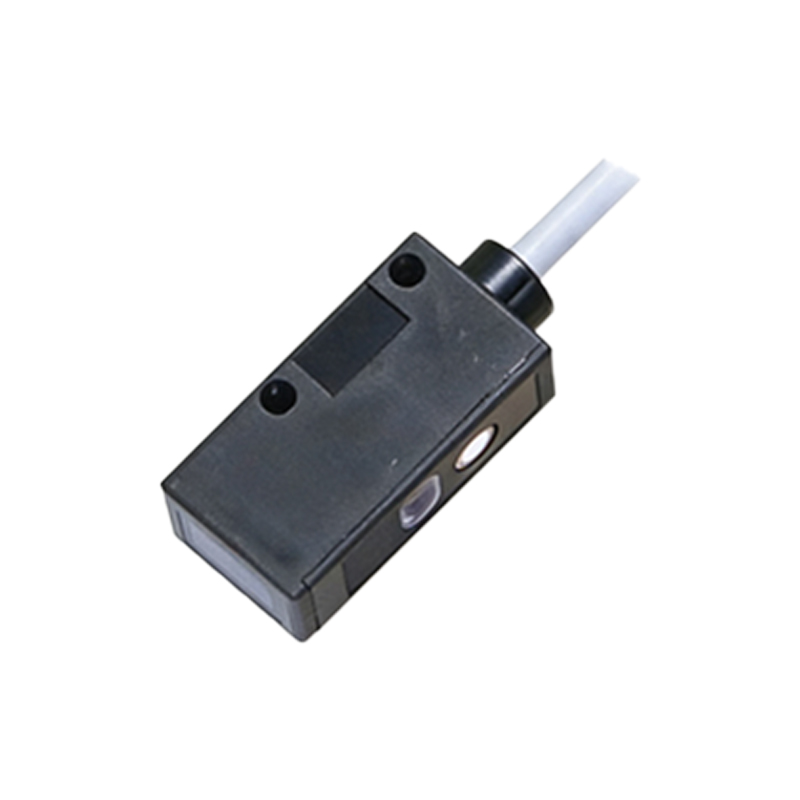
For diffuse reflective sensors, which are widely used in packaging and material handling, prices range from $15 to $80 depending on sensing range and environmental rating. Through-beam sensors, preferred for long-range applications up to 30 meters, see pricing between $25 and $150, with ruggedized models for outdoor use costing 15% more. Retro-reflective sensors, ideal for transparent object detection, sit in the $20-$100 bracket. Notably, laser-based photoelectric sensors, crucial for micron-level precision in electronics manufacturing, have seen a 10% price increase since Q1 2024, now averaging $120-$400. This is due to enhanced laser diode reliability and alignment features. Engineers should also note that analog output sensors, which provide continuous distance data, are priced 25% higher than simple digital on/off models, reflecting their complexity.
Regional Price Variations and Supply Dynamics
Geographic factors significantly influence photoelectric sensor costs. In North America, average prices are 5-8% higher than global benchmarks due to strict compliance standards like UL and FDA certifications, especially for sensors used in food processing and pharmaceutical applications. The European market shows comparable pricing but with a strong preference for IO-Link-enabled sensors, which add $10-$20 per unit. In contrast, Asian markets, particularly China and India, offer cost-effective options with basic functionality at 30-50% lower prices, though reliability and after-sales support vary. Global distributors like DigiKey and Mouser indicate that brand-name sensors from Banner Engineering, Sick, or Omron maintain a 15-20% price premium over lesser-known brands, but this gap is narrowing as Chinese manufacturers improve quality control and certifications.
Forecast and Procurement Strategies
Looking ahead, I predict a modest 3-5% annual price increase for photoelectric sensors through 2025, driven by inflation in electronic component costs and stricter environmental regulations on materials like PVC and halogen-free cables. To optimize procurement, engineers should consider bulk purchasing for commonly used models, which can yield 10-15% discounts from authorized distributors. Alternatively, retrofitting existing systems with modular sensor heads can reduce replacement costs by up to 40%. For high-volume projects, investing in smart sensors with predictive maintenance capabilities may have higher upfront costs but lower total cost of ownership by minimizing downtime. Monitoring global raw material indexes and maintaining a diverse supplier base will be crucial for managing price volatility.