Introduction to Internal Photoelectric Sensors
Internal photoelectric sensors, also known as photoelectric switches or photo eyes, are critical components in industrial automation. They detect the presence, absence, or distance of objects using light, typically infrared or visible, and convert light changes into electrical signals. Unlike external types, internal photoelectric sensors integrate the emitter and receiver in a single housing, making them compact and reliable for confined spaces. This article explores key types, their working principles, and applications in manufacturing, packaging, and material handling systems.
Through-Beam Internal Photoelectric Sensors
Through-beam sensors consist of a separate emitter and receiver, but in internal designs, both are housed in one unit with a reflection path. The emitter sends a beam to a reflector or directly to a receiver aligned across the detection area. When an object interrupts the beam, the output switches. These sensors offer the longest sensing range, up to 30 meters, and high immunity to dust or ambient light. They are ideal for conveyor belt monitoring, counting parts, and safety barriers in harsh environments.
Retro-Reflective Internal Photoelectric Sensors
Retro-reflective sensors use a reflector placed opposite the sensor. The internal emitter sends a beam to the reflector, which bounces it back to the receiver. An object breaking the beam triggers detection. These sensors have medium ranges, typically 5-10 meters, and are cost-effective for applications like pallet detection, automated door control, and liquid level sensing. They require careful alignment to avoid false triggers from shiny surfaces.
Diffuse Reflection Internal Photoelectric Sensors
Diffuse reflection sensors, or proximity sensors, detect objects by emitting light and sensing the reflection directly from the target. The internal receiver picks up scattered light when an object enters the beam. These sensors have shorter ranges, usually up to 2 meters, and are sensitive to object color and surface texture. They excel in detecting irregular shapes, such as packages on a conveyor, or for presence verification in automated assembly lines. Background suppression variants reduce false signals from distant objects.
Background Suppression and Fixed-Focus Types
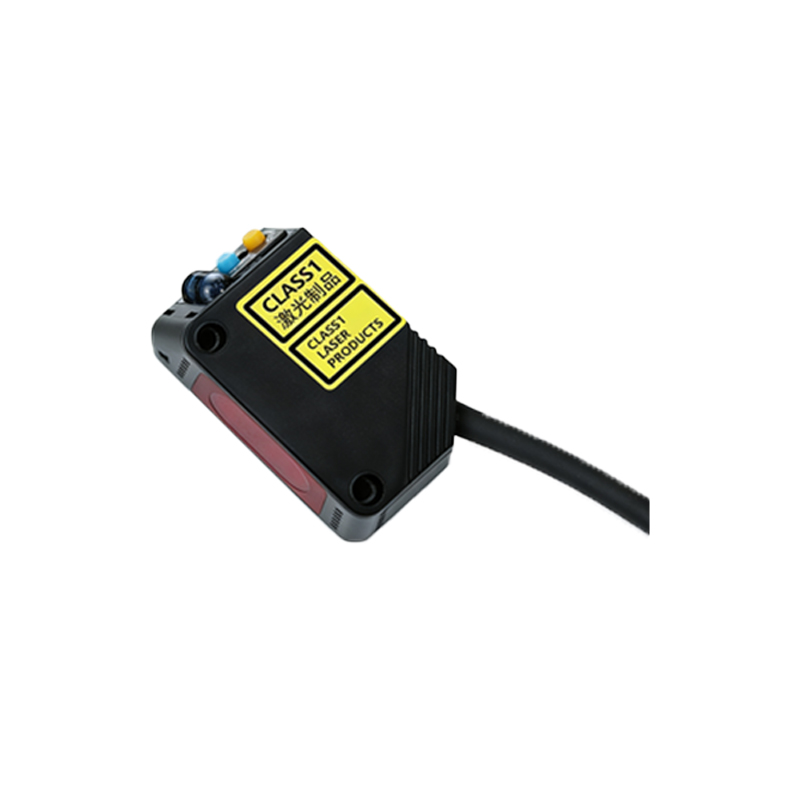
Advanced internal photoelectric sensors include background suppression (BGS) and fixed-focus designs. BGS sensors use triangulation to measure distance, ignoring objects beyond a set threshold. This ensures precise detection of small parts near machinery. Fixed-focus sensors employ a lens system to concentrate the beam at a specific range, ideal for transparent object detection, like glass bottles or plastic films, where standard diffuse types fail. These are widely used in food and beverage packaging.
Fiber Optic Internal Photoelectric Sensors
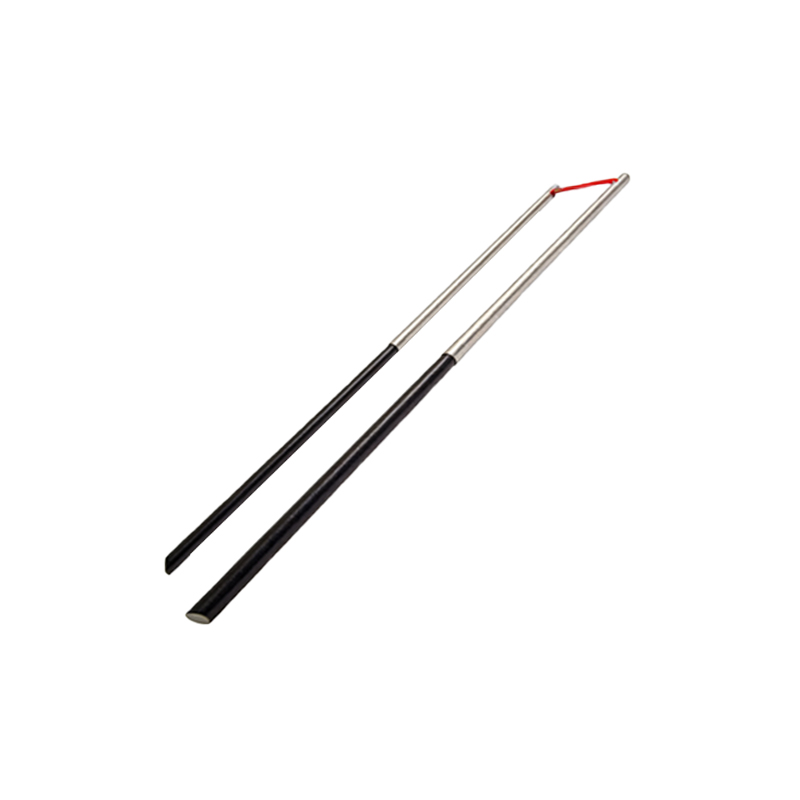
Fiber optic sensors use external fiber cables to guide light to and from the detection zone, while the electronics remain in a single internal unit. This allows for remote sensing in extreme temperatures, high vibration, or explosive areas. They can detect minute objects, like 0.01mm wire, and are common in semiconductor manufacturing, medical device assembly, and automotive part inspection. The internal design simplifies installation in tight spaces.
Applications and Selection Criteria
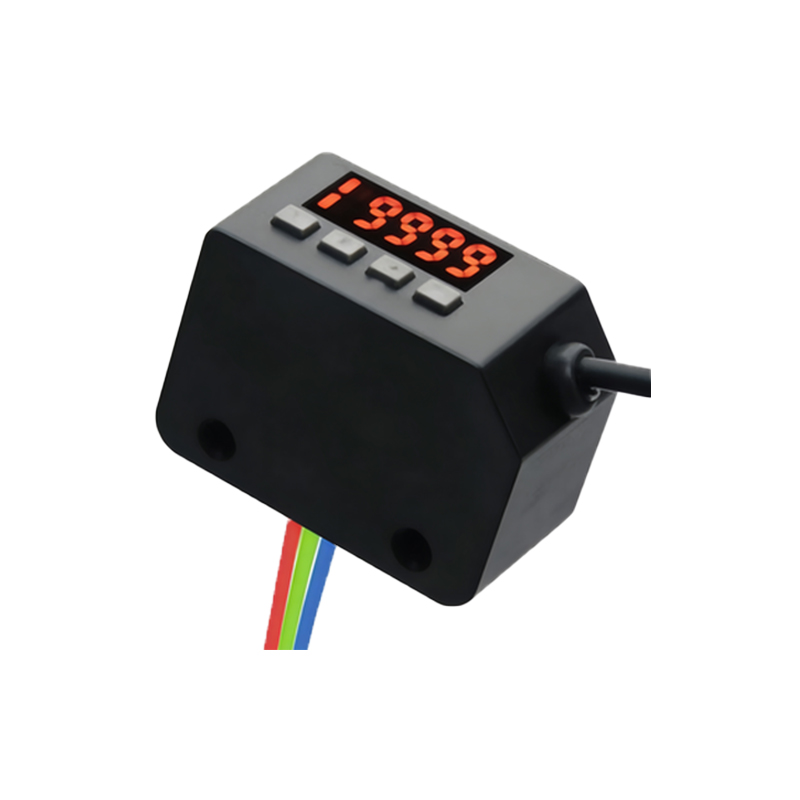
Choosing the right internal photoelectric sensor depends on range, object type, and environment. Through-beam types suit long distances; retro-reflective works for vertical installations; diffuse sensors handle non-uniform objects; BGS is for high-precision tasks; and fiber optics excel in hazardous zones. Key selection factors include output type (PNP/NPN), IP rating for dust/water resistance, and response time (typically 1-10ms). Proper selection ensures reduced downtime and improved efficiency in conveyor systems, robotic arms, and packaging lines.
Conclusion
Internal photoelectric sensors offer versatility and compactness for industrial automation. From through-beam to fiber optic designs, each type addresses specific challenges. Engineers must evaluate sensing range, environmental conditions, and object properties to optimize performance. As Industry 4.0 advances, these sensors integrate with IoT systems for real-time monitoring, enhancing predictive maintenance and production throughput.