2026-06-03
Tech Hub
By 创始人
Environmental Light Interference on Photoelectric Sensors: Causes and Mitigation Strategies
Introduction to Photoelectric Sensors and Environmental Light
Photoelectric sensors are widely used in industrial automation for object detection, position sensing, and counting. However, their performance can be significantly degraded by ambient light sources such as sunlight, fluorescent lamps, or LED lighting. As an electrical engineer, understanding the impact of environmental light is crucial for ensuring reliable sensor operation in harsh environments. This article explores the mechanisms of interference and provides practical solutions.
Mechanisms of Interference from Ambient Light
Ambient light interference occurs when external light sources saturate the photodetector or create false signals. For example, high-intensity sunlight can overwhelm the sensor’s emitter-receiver pair, especially in through-beam or retro-reflective sensors. Fluorescent lamps with 50/60 Hz flicker can induce periodic noise, while PWM-driven LEDs may cause high-frequency bursts. The sensor’s response time, wavelength sensitivity, and modulation frequency determine its vulnerability.
Common Environmental Light Sources and Their Effects
Sunlight is the most challenging source due to its broad spectrum and intensity variation. Direct sunlight can cause phototransistors or photodiodes to reach saturation, leading to false triggering or loss of detection. Indoor lighting, such as metal halide or incandescent lamps, emits infrared components that interfere with near-infrared sensors. Additionally, reflective surfaces near the sensor can amplify ambient light, creating multiple path reflections.
Practical Mitigation Techniques for Engineers
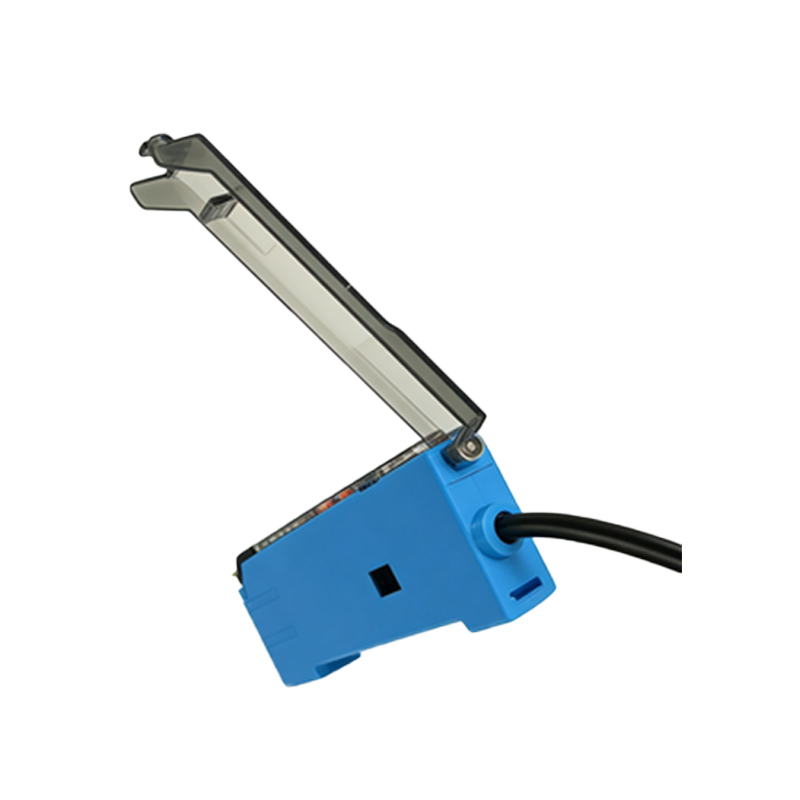
To reduce interference, engineers can select sensors with modulated light outputs, which filter out non-modulated ambient light via synchronous detection. Using optical filters matched to the emitter’s wavelength (e.g., 850 nm or 940 nm) blocks most ambient light. Shielding the sensor with hoods or mounting it away from direct sunlight helps. For critical applications, employing sensors with adjustable sensitivity or pulse-coded modulation ensures reliable operation even in bright environments.
Case Study: Sensor Failure in Outdoor Conveyor System
In a recent project, a photovoltaic plant used retro-reflective sensors for panel alignment. Under midday sun, the sensors failed to detect targets due to solar saturation. By switching to sensors with a modulated infrared beam and adding a narrow-bandpass filter, the false trigger rate dropped from 30% to less than 1%. This highlights the importance of matching sensor design to the specific environmental light profile.
Best Practices for Installation and Maintenance
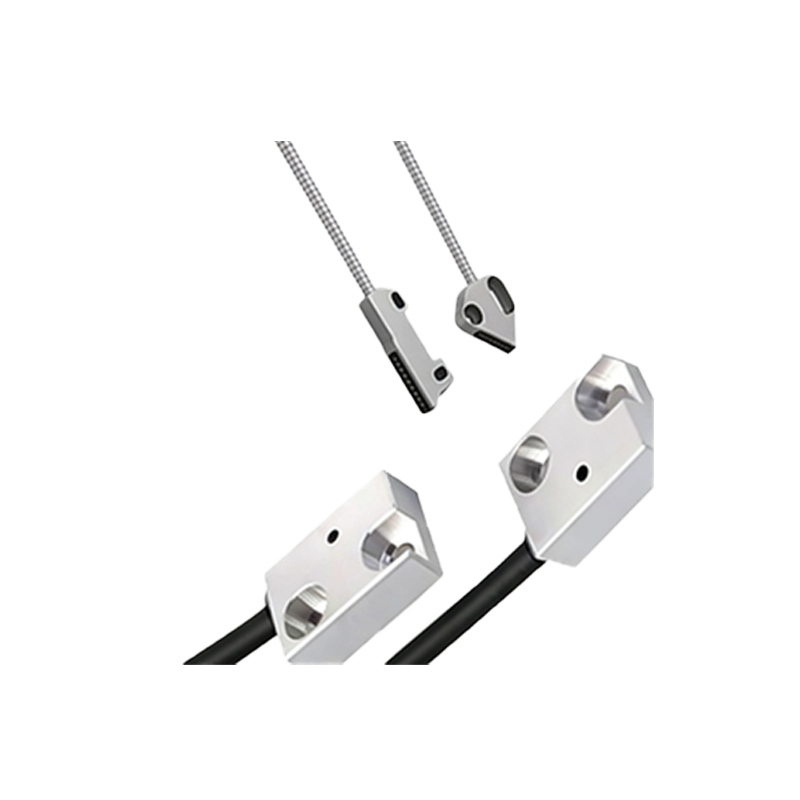
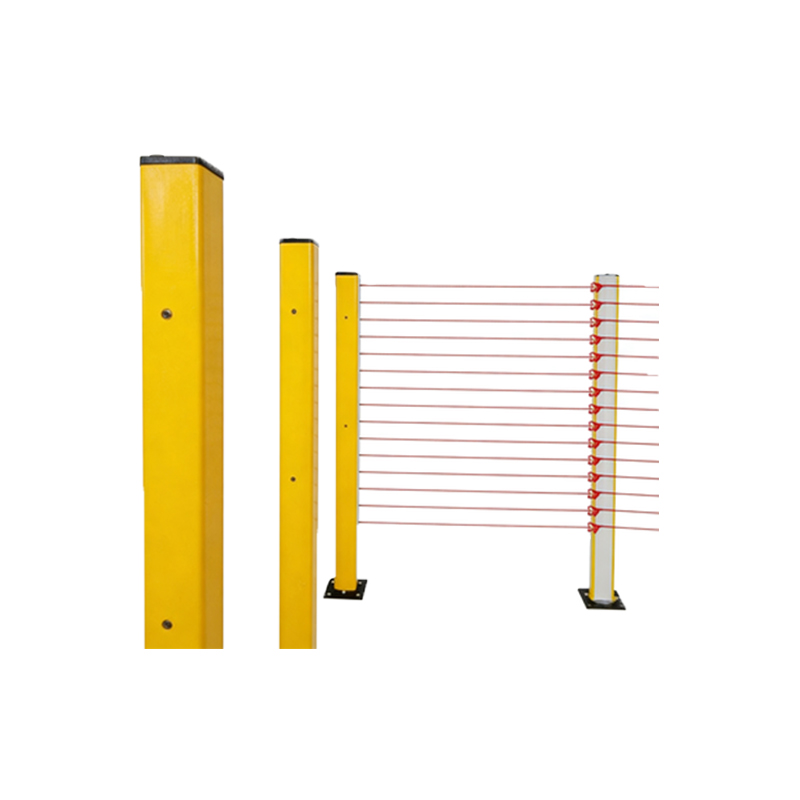
During installation, always evaluate the ambient light intensity using a lux meter or spectrum analyzer. Avoid placing sensors near windows, skylights, or reflective metal surfaces. For existing systems, periodic cleaning of lenses and recalibration can mitigate gradual degradation. In extreme cases, consider using fiber optic sensors or laser-based sensors with higher immunity to ambient light.
Conclusion: Ensuring Robust Sensor Performance
Environmental light interference is a persistent challenge in industrial automation. By understanding the physics of interference and applying engineering solutions—such as modulation, filtration, and proper installation—engineers can achieve reliable detection. Regular testing and adaptation to changing light conditions are key to maintaining system integrity.