Introduction to the P1204 Photoelectric Sensor
The P1204 photoelectric sensor is a cornerstone component in modern industrial automation systems. Designed for high precision and reliability, this sensor utilizes infrared or visible light to detect objects without physical contact. It excels in harsh environments, such as dusty factories or wet processing lines, where mechanical switches often fail. Its compact form factor and robust housing make it suitable for tight spaces in assembly lines, packaging machinery, and conveyor systems.
Key Technical Specifications and Operating Principles
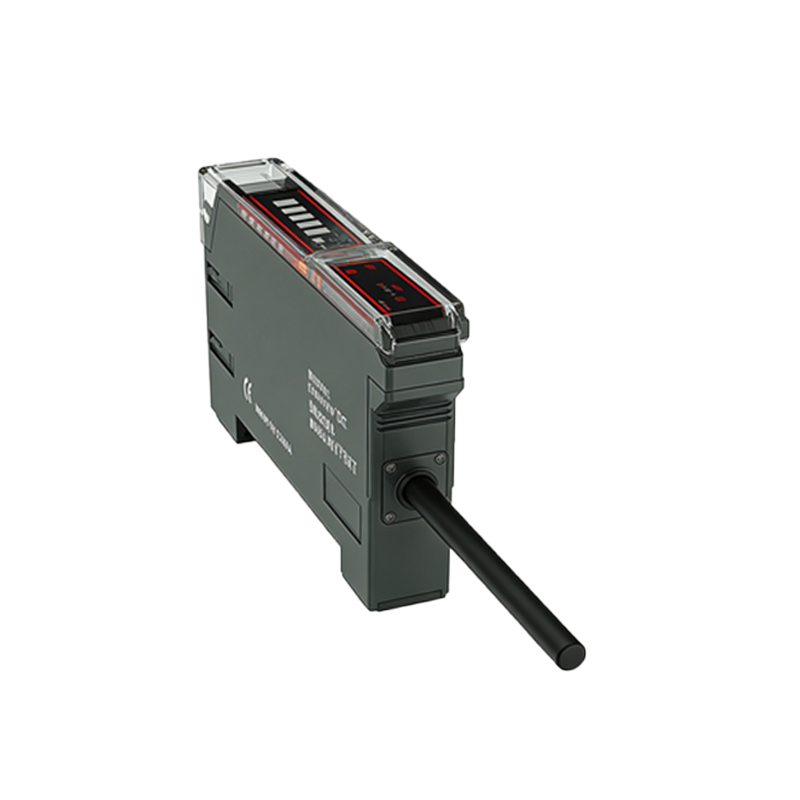
The P1204 operates on a through-beam or retro-reflective principle, depending on the model variant. It features a detection range of up to 10 meters for through-beam configurations, with a response time as low as 1 millisecond. The sensor operates on a 10-30 VDC supply, outputting a NPN or PNP signal compatible with most PLCs. Its wavelength is typically 940 nm, ensuring minimal interference from ambient light. The IP67 rating guarantees protection against dust and temporary immersion in water, making it ideal for food and beverage processing.
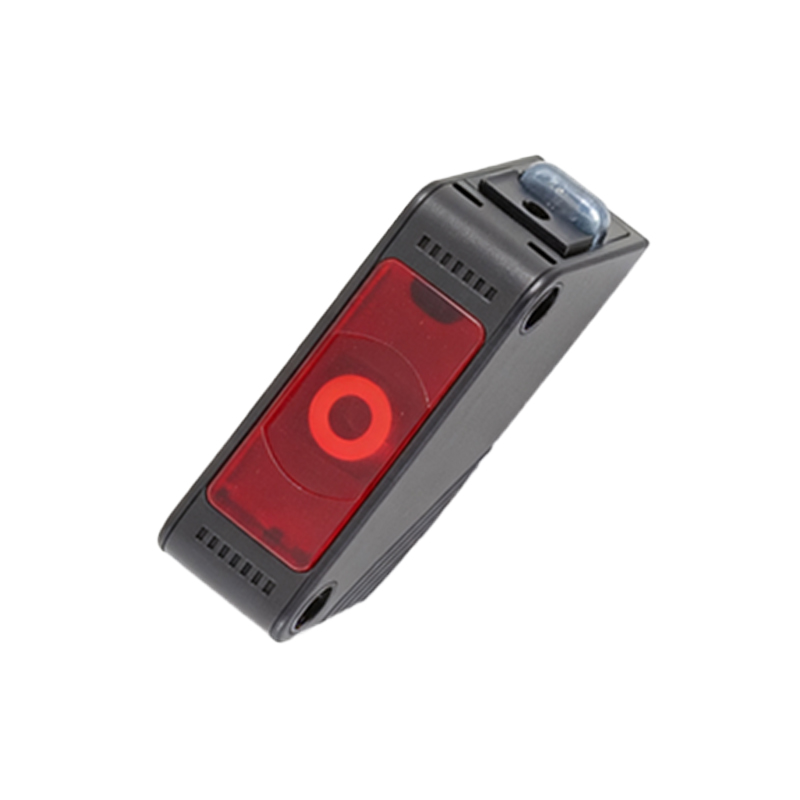
Critical Applications in Manufacturing
In automotive assembly, the P1204 monitors part presence on robotic arms, preventing collisions. For packaging lines, it ensures accurate label placement by detecting transparent film edges. In logistics, it triggers sortation mechanisms on high-speed conveyors, handling up to 500 items per minute. The sensor's background suppression capability allows it to ignore reflective surfaces, a common issue in metallic part detection. It also integrates seamlessly with Industry 4.0 systems via IO-Link, enabling real-time diagnostics and parameter adjustments.
Installation and Calibration Best Practices
Mount the P1204 perpendicular to the target surface for optimal beam alignment. Use the built-in LED indicator and teach button to adjust sensitivity without external tools. For dusty environments, install an air purge accessory to keep the lens clean. Always verify the sensing distance under actual operating conditions, as surface color and texture affect performance. A common mistake is placing the sensor too close to vibrating machinery; use vibration-dampening mounts to extend service life.
Troubleshooting Common Issues
If the sensor fails to detect, check for lens contamination or misalignment. Intermittent triggering often stems from power supply fluctuations; add a 24V DC filter module. In high-humidity areas, condensation on the lens can cause false signals; apply an anti-fog coating. When output is stuck high, inspect the wiring for short circuits. The P1204 includes a self-diagnostic feature that flashes error codes via the LED, simplifying maintenance.
Conclusion: Optimizing ROI with the P1204
The P1204 photoelectric sensor reduces downtime by up to 30% in automated systems due to its non-contact detection and durable design. Its versatility across industries, from pharmaceuticals to heavy machinery, justifies its moderate cost. By integrating this sensor into predictive maintenance workflows, engineers can achieve higher throughput and lower total cost of ownership. For engineers seeking a reliable, long-term solution, the P1204 remains a top-tier choice.