Introduction to the First Photoelectric Sensor
The earliest photoelectric sensor, known as the photoresistor or light-dependent resistor (LDR), was developed in the early 20th century. It utilizes the photoconductive effect, where the electrical resistance of a material decreases when exposed to light. This simple yet revolutionary device paved the way for modern automation and sensing technologies. In industrial applications, it was initially used for basic light detection and switching tasks.
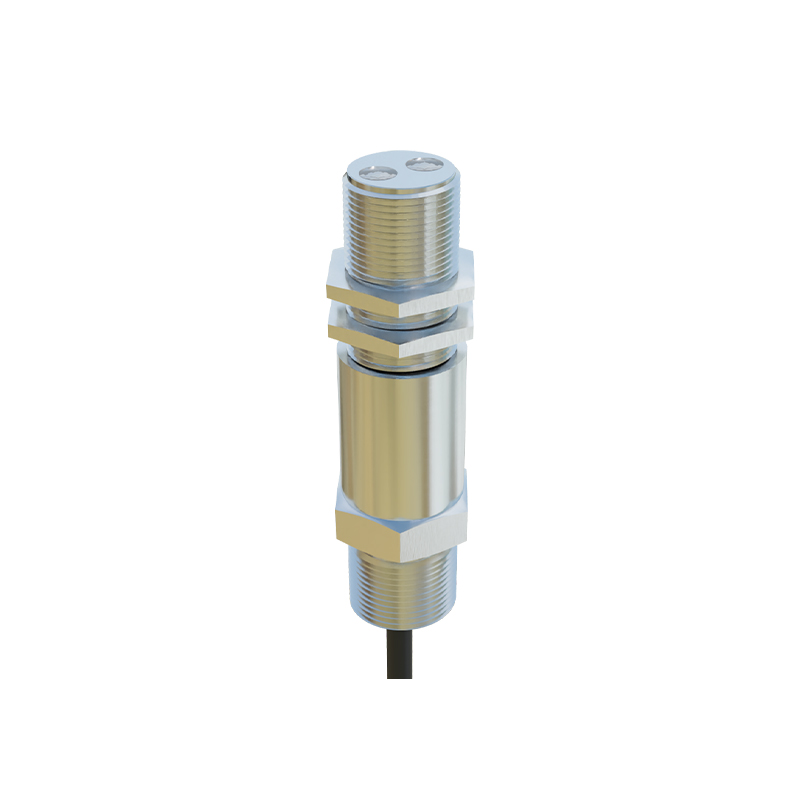
How the First Photoelectric Sensor Worked
The first photoelectric sensor relied on a cadmium sulfide (CdS) semiconductor. When light photons struck the CdS material, they excited electrons, reducing resistance and allowing current to flow. This change in resistance could be measured and used to trigger electrical circuits. Unlike later sensors that use photoemissive or photovoltaic effects, this early model was purely passive and required an external power source to function.
Key Applications in Early Industry
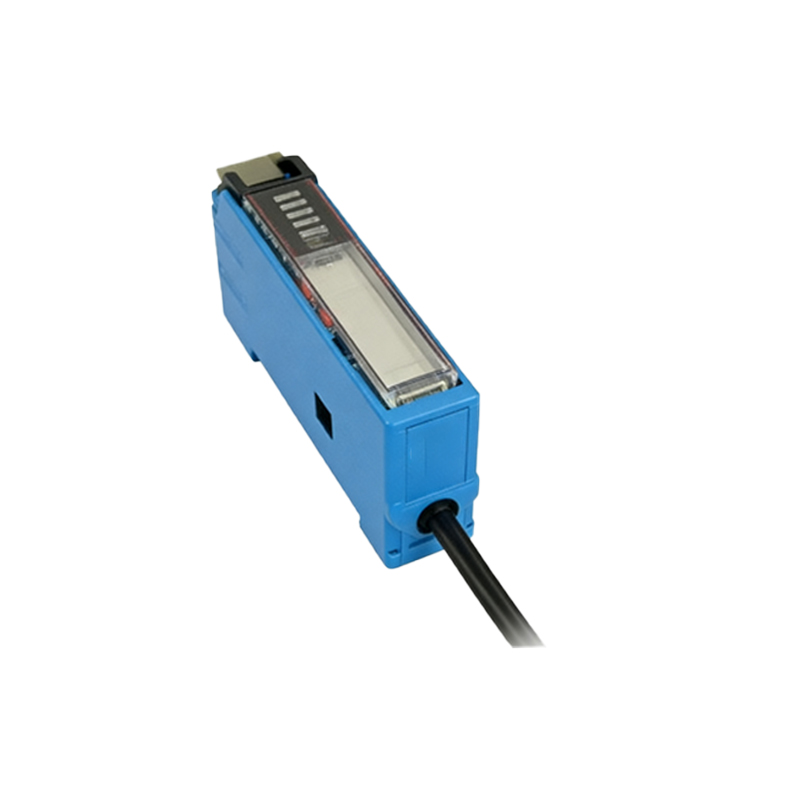
During the 1930s and 1940s, photoresistor-based sensors were employed in factory automation for counting products on conveyor belts, detecting paper jams in printing presses, and controlling street lighting. Their low cost and simplicity made them attractive for basic on-off control systems. However, they suffered from slow response times and sensitivity to ambient temperature variations.
Evolution into Modern Photoelectric Sensors
By the 1960s, engineers developed more advanced photoelectric sensors using infrared LEDs and phototransistors. These offered faster switching, longer detection ranges, and immunity to visible light interference. Despite these innovations, the original LDR design remains in use today for low-cost, low-speed applications like dusk-to-dawn lights and industrial timers.
Legacy and Technical Significance
The first photoelectric sensor, though primitive by modern standards, laid the foundation for the entire field of optoelectronics. Its principle of converting light intensity into electrical signals is still applied in thousands of industrial devices. Understanding the LDR's history helps engineers appreciate the trade-offs between simplicity and performance in sensor design.