Introduction to Photoelectric Sensors
Photoelectric sensors are essential components in modern industrial automation, utilizing light beams to detect the presence, absence, or distance of objects. These non-contact devices consist of an emitter and a receiver, operating based on the interruption or reflection of light. Their reliability, speed, and precision make them ideal for harsh environments where mechanical switches fail.
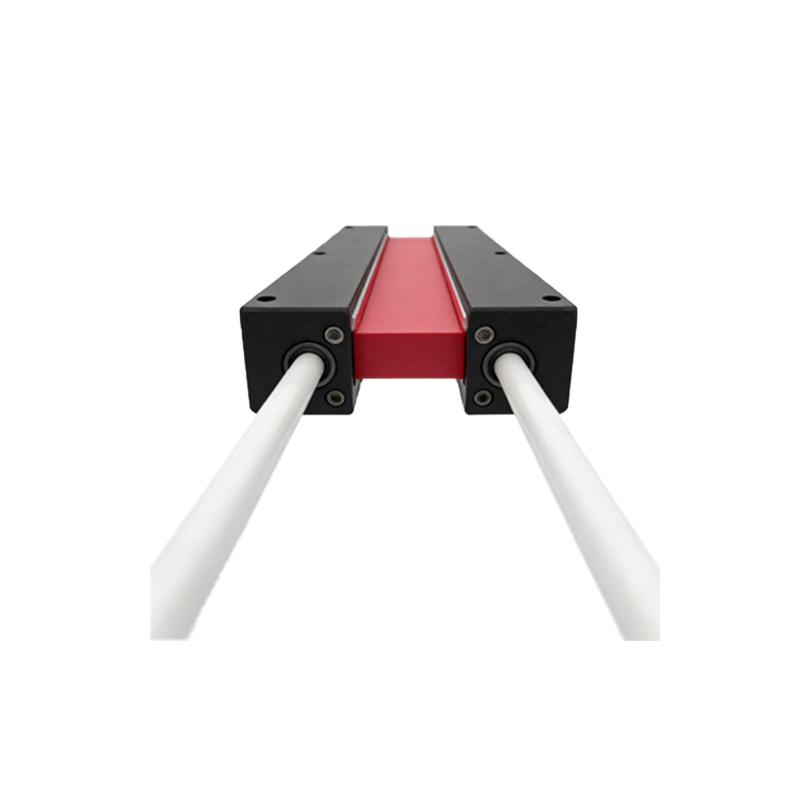
Object Detection in Conveyor Systems
In manufacturing and logistics, conveyor belts require robust object detection to control sorting, counting, and packaging. Through-beam photoelectric sensors, with separate emitter and receiver, offer long-range detection up to 30 meters, best for opaque objects in dusty or dirty conditions. For example, in automotive assembly lines, these sensors ensure parts are correctly positioned before robotic welding.
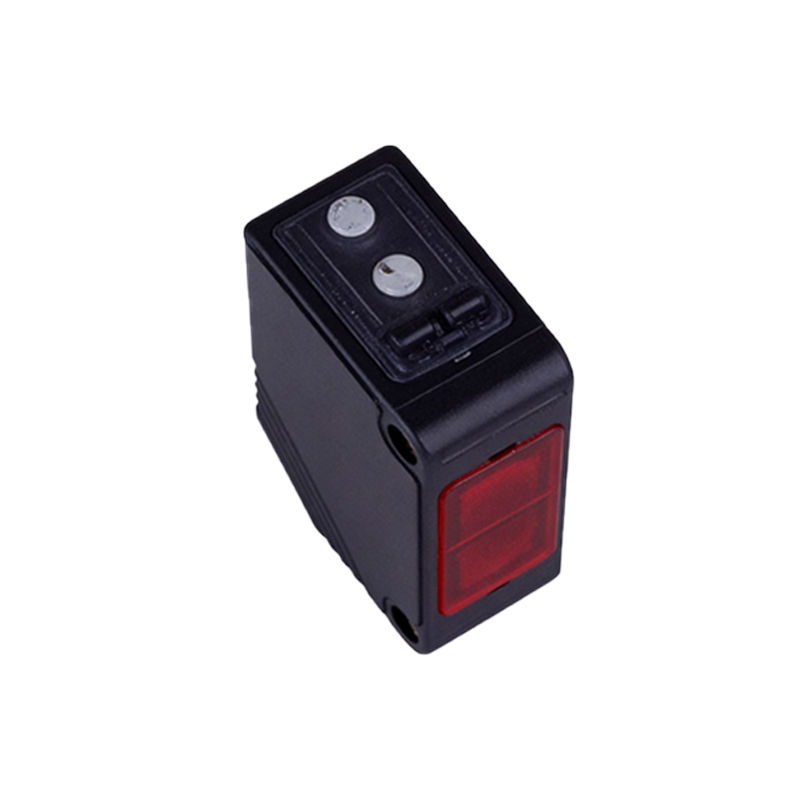
Level Monitoring in Liquid Tanks
For liquid level control in chemical or food processing plants, retro-reflective sensors use a reflector to detect changes in light path. When liquid rises to a certain point, it blocks the beam, triggering alarms or pumps. This application is critical for preventing overflow in corrosive or high-temperature environments, where capacitive sensors may be less effective.
Presence Verification in Packaging Machinery
Packaging lines rely on diffuse reflective sensors to verify product presence on fast-moving belts. These sensors integrate emitter and receiver in one unit, detecting light reflected from the target itself. They are ideal for transparent or small items, such as bottles or blister packs, ensuring no empty boxes enter the sealing station. Adjustable sensitivity allows fine-tuning for varied surface colors.
Edge Detection in Paper and Textile Industries
For web guiding in paper mills or textile factories, photoelectric sensors with specialized optics detect material edges with sub-millimeter accuracy. Through-beam or reflective types monitor alignment, preventing misprints or wrinkles. This is crucial for high-speed production, where even slight deviations cause waste.
Safety and Access Control in Hazardous Areas
In automated warehouses or heavy machinery zones, safety light curtains—a series of photoelectric beams—create invisible barriers. When a beam is interrupted, the system stops machinery to protect personnel. These sensors meet stringent safety standards, such as IEC 61496, and are used near robots, presses, or conveyor entrances.
Counting in High-Speed Assembly Lines
Electronic component assembly requires precise counting of tiny parts. Fiber optic photoelectric sensors, with flexible cables, fit tight spaces and detect small objects like resistors or screws at rates exceeding 10,000 per minute. Their fast response times ensure accurate inventory tracking without physical contact, reducing wear.
Conclusion: Versatility and Reliability
Photoelectric sensors excel in diverse industrial settings due to their adaptability to various materials, distances, and environmental conditions. From detecting clear glass to operating in washdown zones, they provide cost-effective solutions. Selecting the right type—through-beam, retro-reflective, or diffuse—depends on factors like target opacity, range, and ambient light interference. Routine calibration maintains performance, ensuring long-term automation efficiency.