2026-06-03
Tech Hub
By 创始人
Final Exam Review: Applications and Technologies of Photoelectric Sensors in Electrical Engineering
Introduction to Photoelectric Sensors in Modern Industry
Photoelectric sensors are pivotal components in industrial automation, converting light signals into electrical outputs for detection, counting, and positioning tasks. As an electrical engineer, mastering their principles—such as through-beam, retro-reflective, and diffuse sensing—is essential. This final exam review consolidates key application scenarios, from conveyor belt object detection to safety interlock systems, emphasizing how light wavelength, ambient interference, and response time affect performance. Students should focus on sensor selection criteria, including sensing range, output type (PNP/NPN), and environmental ratings (IP67). Understanding these fundamentals ensures reliable system integration in manufacturing lines, where photoelectric sensors often replace mechanical switches for non-contact, high-speed operation.
Key Technologies: Emitter, Receiver, and Modulation
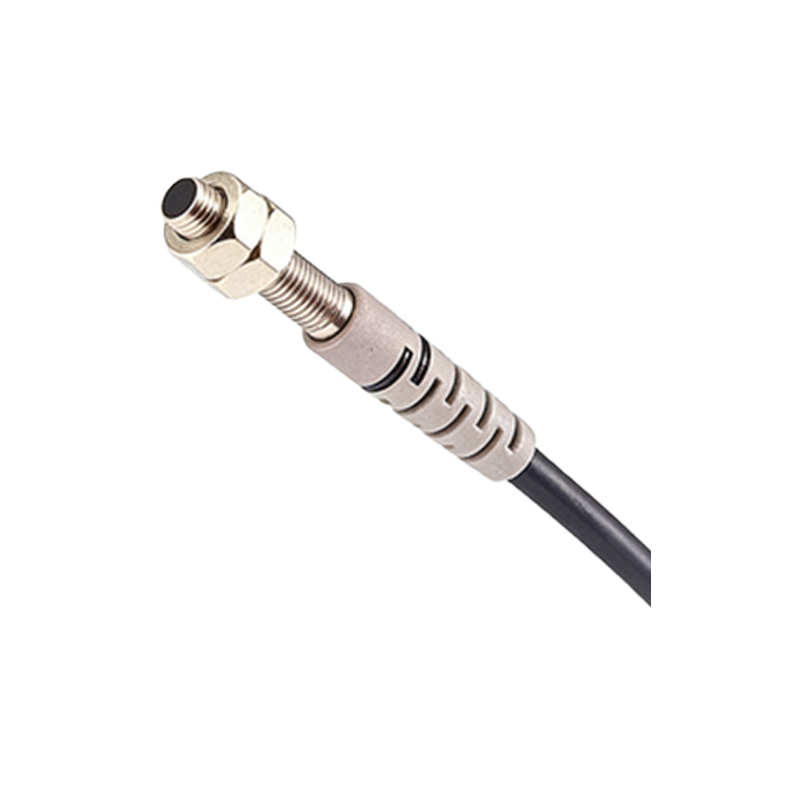
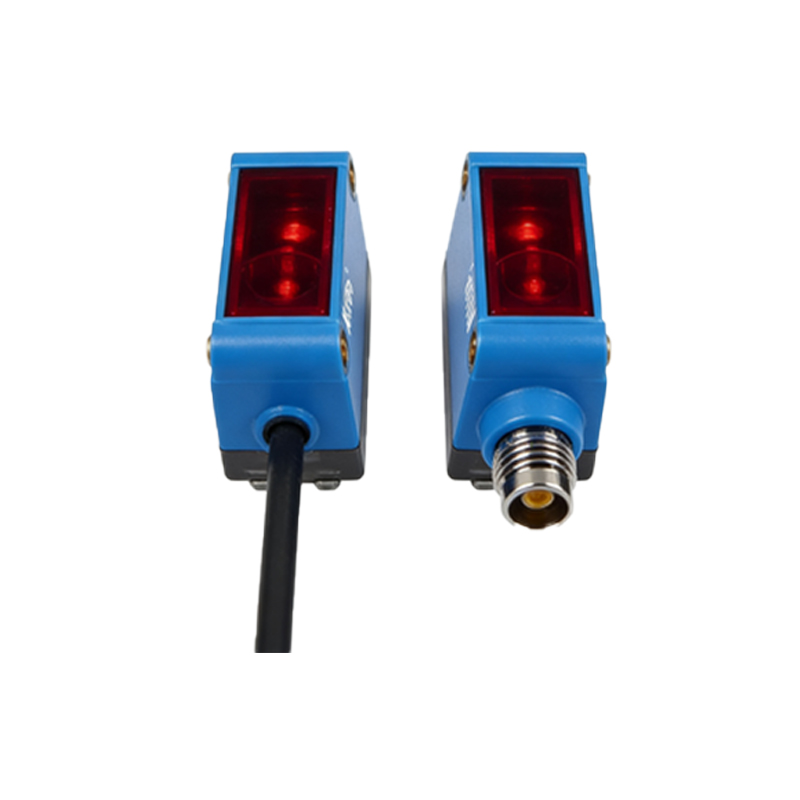
The core technology behind photoelectric sensors lies in the emitter-receiver pair. LEDs or laser diodes emit modulated light, which is then detected by phototransistors or photodiodes. Modulation techniques, such as pulse frequency encoding, significantly reduce false triggers from ambient light (e.g., sunlight or incandescent lamps). For exam purposes, recall that through-beam sensors offer the longest range (up to 30 meters) and highest immunity to contamination, while retro-reflective types use a reflector to simplify wiring. Diffuse sensors, relying on target reflectivity, are cost-effective but sensitive to surface color and texture. Finally, fiber optic extensions enable sensing in confined spaces, a critical point for industrial application design.
Application Scenarios: Sorting, Monitoring, and Safety
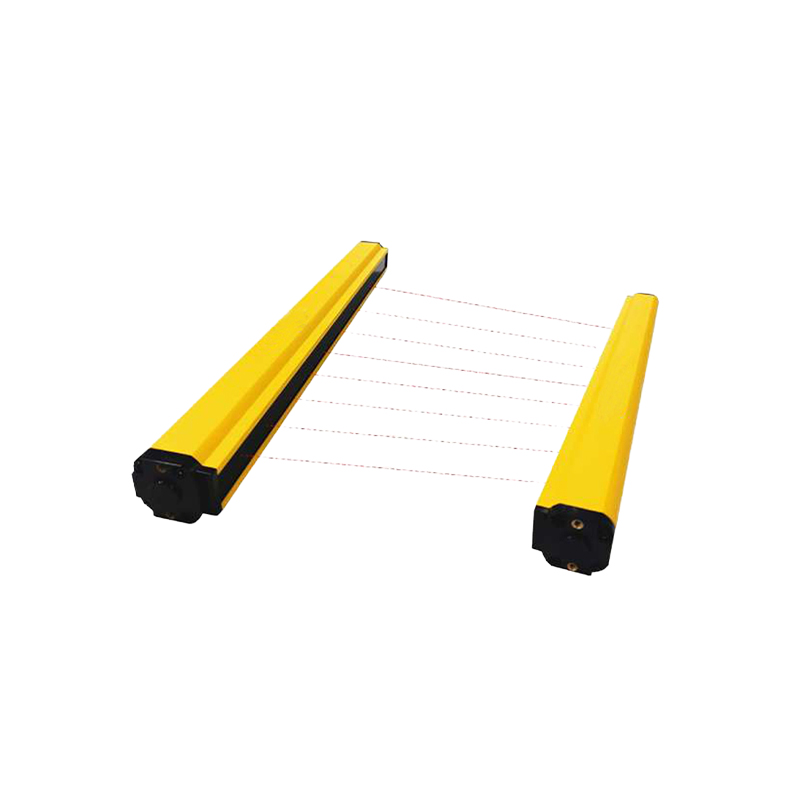
In real-world electrical engineering projects, photoelectric sensors are deployed for object sorting by size or color, using multiple wavelengths (red, infrared) to differentiate materials. For example, in a packaging line, a diffuse sensor with background suppression detects transparent bottles regardless of label placement. Another common exam topic is safety applications: light curtains (arrays of photoelectric beams) create protective zones around robotic arms, instantly cutting power upon beam interruption. Engineers must calculate minimum distance (S = K × t) per safety standards (e.g., IEC 61496). Additionally, analog output sensors provide distance measurement via time-of-flight (ToF) technology, enabling precise level monitoring in tanks.
Troubleshooting and Installation Best Practices
During exams and fieldwork, troubleshooting common failures is vital. Contamination on lens surfaces (dust, oil) is the leading cause of false triggering; regular cleaning with isopropyl alcohol is recommended. Misalignment of emitter-receiver pairs reduces effective range—use alignment tools or lasers for beam targeting. Electrical noise from nearby motors can cause sporadic outputs; shielded cables and ferrite beads mitigate this. For installation, ensure sensors operate within their specified temperature range (-25°C to 55°C) and avoid mounting near reflective surfaces to prevent ghost reflections. These practical insights are often tested in scenario-based questions.
Exam Preparation: Circuits, Calculations, and Standards
To excel in the final exam, practice with circuit diagrams: connect a photoelectric sensor to a PLC input (e.g., 24V DC sinking/sourcing). Calculate load resistance for dark-on/light-on modes. Understand how hysteresis prevents oscillation near detection thresholds. Review international standards like IEC 60947-5-2 for sensor classification, and UL 508 for industrial control equipment. Memorize key formulas: sensing range derating factor due to target color (e.g., 50% for matte black vs. white). Finally, analyze case studies—such as a sensor failing in high humidity—to propose solutions like heated optics or sealed enclosures. Mastery of these elements guarantees a strong performance.