Introduction to Photoelectric Sensors
Photoelectric sensors are essential components in modern industrial automation, utilizing light beams to detect the presence, absence, or distance of objects. These sensors operate by emitting a light source, typically infrared or visible red, and measuring the changes in the received light to trigger outputs. Their non-contact detection capability makes them highly reliable in harsh environments, reducing mechanical wear and maintenance costs. In industrial settings, they are widely used for object counting, positioning, and quality inspection across various sectors.
Material Handling and Conveyor Systems
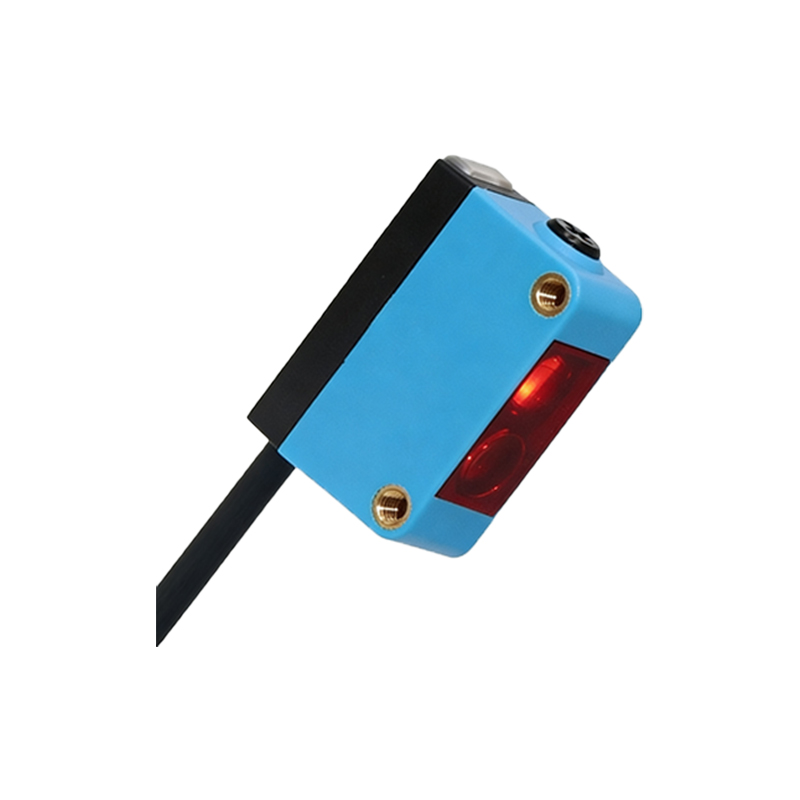
In material handling and conveyor systems, photoelectric sensors play a critical role in ensuring smooth workflow and preventing jams. Through-beam sensors, consisting of separate emitter and receiver units, are commonly deployed at conveyor junctions to detect package presence and trigger diverters. Retro-reflective sensors, with a reflector placed opposite the sensor, are ideal for detecting transparent or shiny objects like glass bottles or plastic films. Diffuse sensors, which rely on the object's reflective surface, are used for short-range detection in sorting applications. These sensors enhance throughput by enabling precise timing for product routing and accumulation control.
Packaging and Labeling Machinery
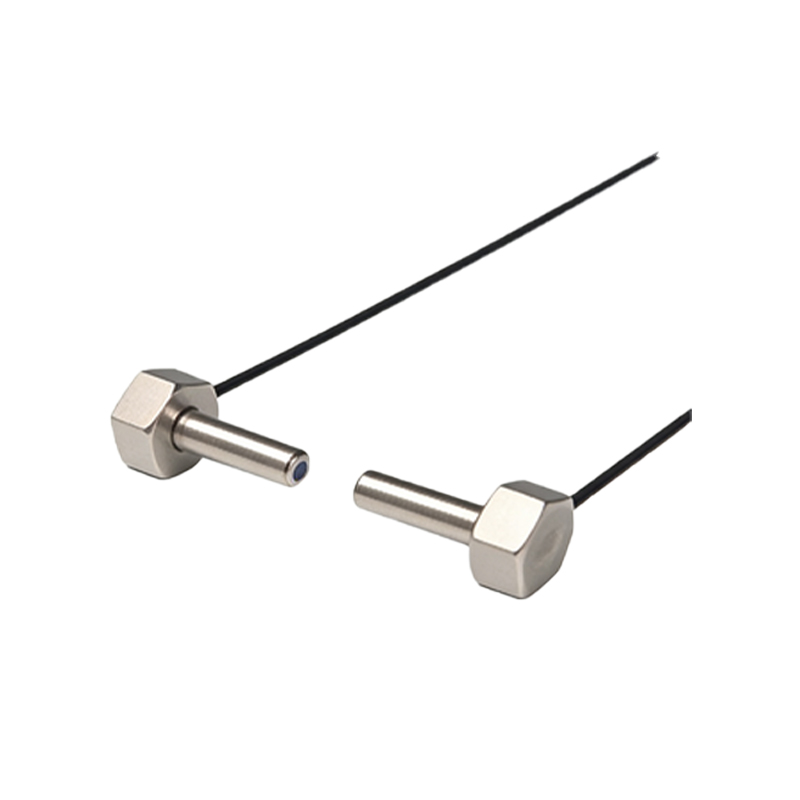
The packaging industry heavily relies on photoelectric sensors for accurate label placement and seal verification. Contrast sensors, which detect changes in light intensity between different colored surfaces, are employed to ensure labels are aligned correctly on products. Fiber optic sensors, with flexible cables that can reach tight spaces, are used to monitor high-speed packaging lines for missing caps or broken seals. Additionally, laser-based photoelectric sensors provide high-precision detection for small components like pills or electronic parts, reducing waste and improving quality assurance in pharmaceutical and food packaging.
Automotive Assembly and Robotics
In automotive manufacturing, photoelectric sensors are integrated into robotic arms and assembly stations for precise part positioning and collision avoidance. Background suppression sensors, which can detect objects regardless of background color or texture, are used to verify the presence of bolts, clips, or wiring harnesses during assembly. Distance-measuring sensors, employing time-of-flight technology, enable robots to adjust gripper positions for varying part sizes. These sensors improve safety by creating light curtains that halt machinery if an operator enters a hazardous zone, complying with ISO 13849 safety standards.
Logistics and Warehouse Automation
Modern logistics centers utilize photoelectric sensors for automated storage and retrieval systems (AS/RS) and autonomous guided vehicles (AGVs). Fork-style sensors, which have a U-shaped design, detect the edges of pallets or totes for accurate picking and placing. Area scanning sensors, using multiple beams, map 3D spaces for obstacle detection in AGV navigation. In sorting systems, color mark sensors identify different packaging types, directing parcels to appropriate chutes. These applications reduce labor costs and improve order accuracy in e-commerce fulfillment.
Environmental and Safety Applications
Beyond production, photoelectric sensors are deployed in environmental monitoring and safety systems. Through-beam sensors are used across doorways to count personnel or trigger alarms in restricted areas. Explosion-proof photoelectric sensors, with sealed housings, operate safely in dusty or flammable environments like grain silos or chemical plants. They also monitor liquid levels in tanks using refraction-based detection, preventing overflow in water treatment facilities. By enabling non-invasive detection, they minimize contamination risks and enhance workplace safety.
Conclusion and Future Trends
Photoelectric sensors continue to evolve with advancements in IoT and Industry 4.0. Smart sensors with IO-Link communication provide real-time diagnostics and remote parameter adjustments, reducing downtime. Integration with machine vision systems allows for complex inspection tasks, such as barcode reading and surface defect detection. As manufacturing demands higher speeds and flexibility, photoelectric sensors will remain indispensable for achieving lean and automated production lines. Engineers must consider factors like sensing range, ambient light interference, and object reflectivity when selecting these sensors for optimal performance.